Choosing the right place for a haircut or grooming service can be confusing. While both barbershops and salons help people look their best, they are designed for different needs and offer unique experiences. Understanding these differences helps in making the best choice for a specific grooming requirement.
Here are 10 key differences between a barbershop and a salon.
1. The Primary Clientele
One of the most noticeable differences between a barbershop and a salon is the primary clientele they each serve. Barbershops have long been associated with serving men and boys, focusing on hairstyles and grooming services suited to traditional masculine needs. Whether it’s a classic crew cut, a fade, or detailed beard trimming, barbershops are tailored to meet the grooming preferences of male clients. Their staff typically specializes in cutting shorter hair and using tools like clippers and straight razors, which are integral to male styling trends. The environment in a barbershop is also designed to reflect this focus, often featuring features like sturdy barber chairs, wood or leather decor, and minimalistic workstations that emphasize efficiency. Conversations within barbershops frequently revolve around sports, news, or local topics, fostering a laid-back, masculine atmosphere where clients feel at ease.
Salons, however, provide services to a far broader clientele, encompassing women, children, and men. Salons are designed to meet a diverse array of grooming and beauty needs, including detailed haircuts, coloring, styling, and treatments (such as keratin applications or deep conditioning). Women, in particular, often visit salons for these more specialized services, including highlights, blowouts, or diverse longer hairstyles. Salon staff typically train in a wide range of techniques, from using scissors for precision cutting to providing advice on skincare and haircare. The atmosphere in a salon is typically more universal and polished, appealing to people seeking a personalized and inclusive experience. With chic interiors, hospitality-focused service, and attentive consultation, salons cater to those looking for more than just a haircut – they focus on providing an overall beauty and wellness experience.
2. The Atmosphere and Experience in Barbershop
The atmosphere in a barbershop is another key differentiator that separates it from the salon world. Barbershops are often known for their vibrant and social environment, offering a communal space where clients can relax and mingle while receiving services. This sense of community is deeply rooted in the cultural history of many barbershops, especially in urban settings like New York City, where barbershops have served as gathering places for people to catch up, share stories, or even network. A New York barbershop might maintain a trendy, industrial-chic design with exposed brick walls, polished concrete floors, and custom styling stations but doesn’t compromise the laid-back spirit that defines the traditional barbershop vibe. Clients might find sports games playing on a mounted TV, barbers engaging in friendly debates about local teams, or upbeat music filling the air – all of which contribute to a casual and approachable atmosphere. The experience in a barbershop often centers on efficiency and functionality while preserving a sense of camaraderie and tradition.
On the other hand, salons focus on creating a quieter, more personalized, and often luxurious ambiance. Salons aim to provide clients with an immersive experience where they can feel pampered and relaxed. The interiors of a salon are typically designed to evoke comfort and elegance, featuring upscale furnishings, ambient lighting, and soothing scents. The goal is to put clients in a tranquil state, making each visit feel indulgent and indulgence-focused. Many salons offer extra amenities, such as complimentary beverages, head massages with washes, or curated skincare advice, which add to the sense of luxury. Unlike the spirited, communal feel of a barbershop, a salon’s atmosphere emphasizes individuality and tailored attention. When visiting a salon, the client’s needs and preferences take center stage, with professional stylists providing one-on-one consultations to achieve the perfect look or service. This distinction in experience is significant, especially for those seeking solace and self-care during their time at a grooming establishment.
3. The Core Services Offered
Barbershops and salons each specialize in distinct services that reflect their expertise and target client needs, with their core practices evolving from tradition and specialization. Barbershops excel in delivering shorter, classic hairstyles with a focus on precision and sharp detailing. Their expertise lies in traditional styles like fades, tapers, and distinct line-ups, achieved through the masterful use of clippers and straight razors. These establishments cater primarily to individuals looking for clean, sharp cuts that celebrate simplicity and timeless styles. The barber’s environment is designed around efficiency and precision, often creating experiences that are quick, effective, and repeatable for clients looking for regular upkeep.
Conversely, salons offer a broader range of hair services catering to various hair types, lengths, and aesthetic goals, making them an ideal destination for those seeking customization and transformation. Salons excel in scissor cuts, which allow for intricate shaping and texturing, particularly for long hair. They provide services such as coloring, balayage, and highlights that create natural, artistic effects, as well as chemical treatments like perms or keratin treatments for permanent wave changes or silky smooth finishes. Salons also focus on overall hair health, employing treatments like deep conditioning, scalp treatments, and the application of restorative products. Their expertise includes catering to diverse hair textures, allowing them to deliver personalized solutions for their clients’ needs while ensuring their hair remains strong and healthy.
4. Expertise in Solving Beard Problems
When it comes to facial hair, barbers are widely regarded as the definitive experts. Barbers undergo specialized training for grooming and maintaining beards and mustaches, making them highly skilled in solving a variety of beard problems. For example, barbers are adept at addressing issues like patchiness, where they use trimming techniques and styling solutions to create more uniform, fuller-looking beards. Additionally, they excel in shaping facial hair to complement the client’s specific face structure, carefully contouring cheek lines, necklines, and overall beard proportions to enhance symmetry and definition.
Barbers also employ traditional techniques, including the use of straight razors, to craft razor-sharp necklines and cheek lines for a polished and professional appearance. Razor-handling is a hallmark of barbering, offering a degree of precision and finesse that ensures clean and crisp facial hair styles. Beyond the technical aspects, barbers often help educate their clients on maintaining their beard at home, recommending grooming products like beard oils or balms to promote hair health and manageability.
While some stylists at salons may offer trims or basic beard maintenance, this is rarely their core area of expertise. Salons tend to focus less on facial hair, directing their attention toward hairstyling, coloring, and other hair care treatments. For those seeking advanced facial hair grooming, barbers remain the go-to professionals in the industry.
5. The Tools of the Trade
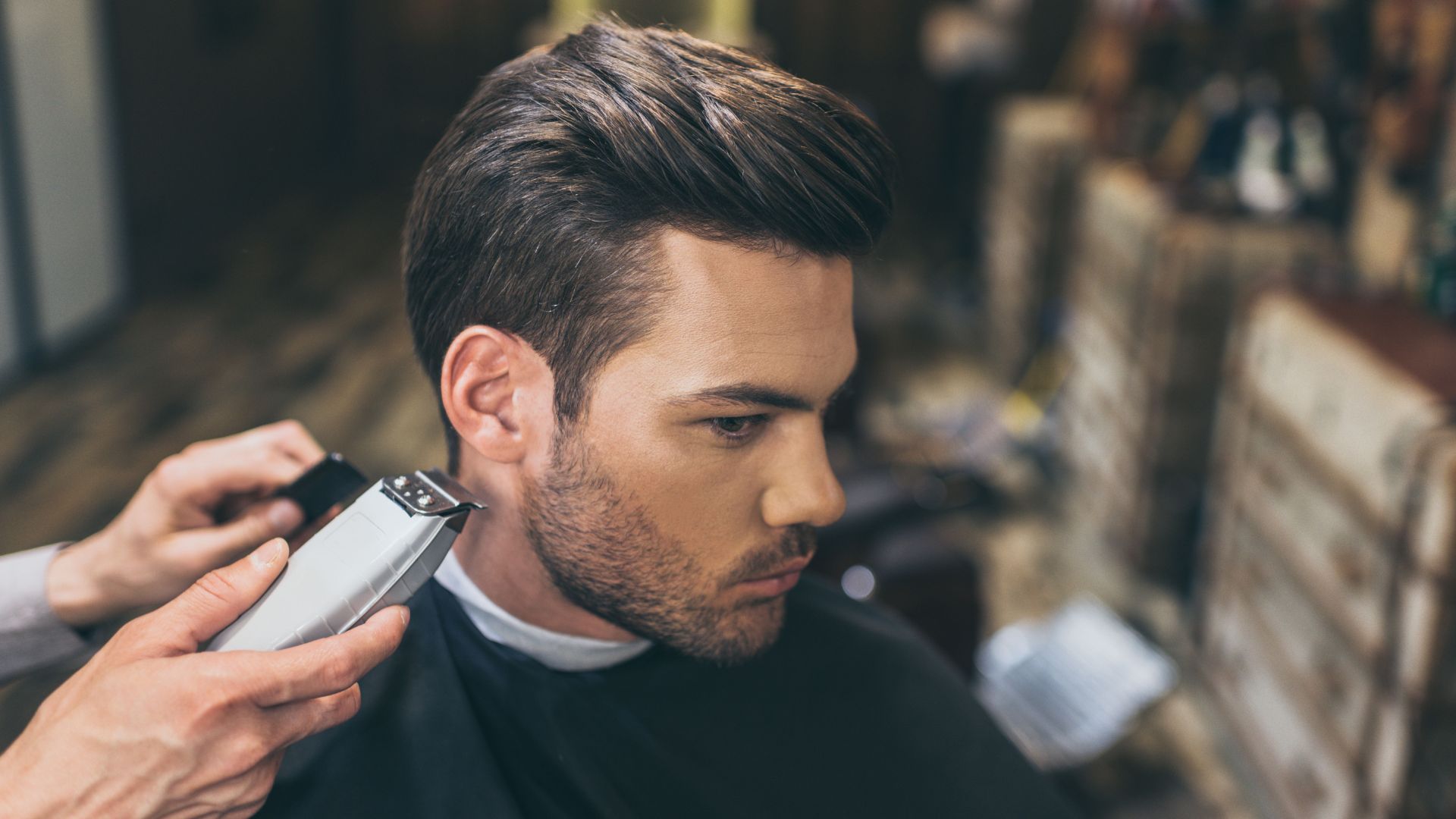
The tools a professional uses not only reflect their trade but also define the level of service and specialization they provide. Barbers, for instance, heavily rely on an array of tools specifically designed for precision and detail in short hairstyles and facial grooming. Key tools of a barber include clippers, which are essential for creating fades, tapers, and close-cropped cuts with consistent lengths. Trimmers and edgers are frequently used for refining small areas such as hairlines, sideburns, and detailing around the ears. Straight razors, iconic in barbering, are vital for achieving clean, sharp finishes on both haircuts and beard grooming. These tools are typically complemented by combs designed for clipper-over-comb techniques, shave brushes for applying lather evenly, and steaming towels for softening hair during shaves.
On the other hand, salons use a more diverse range of tools designed to handle a broader spectrum of services. Hair shears, or scissors, are a salon staple, allowing stylists to perform precise cutting techniques such as layering, shaping, and texturing. Styling tools like curling irons, flat irons, and round brushes enable the creation of intricate hairstyles, from loose curls to sleek straight looks. When it comes to hair coloring or chemical treatments, salons rely on specialized tools like mixing bowls, brushes, foils, and heat lamps to deliver consistent and professional results. Diffusers are also commonly employed for managing volume, particularly when working with curly or textured hair types.
The distinction in tools between barbershop and salon environments underscores their unique focus areas. Barbers prioritize achieving sharp, clean finishes through their equipment, echoing their precision-driven ethos. Salons, in contrast, align their tools with creativity and holistic hair health, catering to a diverse clientele with varied hair care and styling needs. These differences in approach ensure that both establishments provide meaningful, tailored experiences for their respective audiences.
6. A Focus on Modern Hairstyles for Men
While barbers have traditionally been masters of classic cuts like crew cuts, pompadours, and side parts, the industry has significantly evolved to accommodate modern trends in men’s grooming and hairstyling. Today, many barbers, particularly in urban and metropolitan areas, are highly skilled in crafting contemporary, textured, and fashion-forward looks that reflect individual personality and style. Modern men seek more than just a standard haircut; they value innovation and customization, which has led barbers to adapt their techniques and expertise to cater to this growing demand.
A consultation with a skilled barber—such as a renowned New York barber—often begins by discussing personal preferences, facial structure, and lifestyle. This collaborative process helps the barber suggest the latest trends in men’s hairstyles, tailoring the cut to match both the client’s desired appearance and practical needs. Popular trends include skin fades, which involve a seamless blend from the natural hairline to longer hair on top, and textured crops, which incorporate layers and movement for a more casual yet stylish finish. Messy quiff hairstyles and disconnected undercuts are also in vogue, offering an edgy contrast while maintaining versatility.
These designs are achieved with an emphasis on precision, an inherent skill set for barbers who are well-versed in both clipper and scissor techniques. The clipper allows for clean fades, sharp tapering, and detailed edging, while scissors provide the finesse needed for shaping texture and ensuring a natural, cohesive look. Additionally, barbers often incorporate straight razors for defining sharp lines and creating a polished finish. This combination of tools and techniques epitomizes the barbering profession’s trademark attention to detail and skillful artistry.
Beyond executing the hairstyles, barbers also educate clients on maintenance routines, styling techniques, and product selection to keep their hair looking fresh between visits. This focus on both the short-term aesthetic and long-term manageability makes modern barbers essential in guiding men toward hairstyles that balance current trends with practicality.
7. The Price Point
When comparing barbershops and salons, one of the notable distinctions lies in the cost of services. At a barbershop, haircuts are generally more affordable, often attributed to the shorter duration of services and the streamlined nature of barbering practices. Barbers typically specialize in clipper work and straightforward grooming methods, which allows them to complete most cuts more efficiently. This affordability makes barbershops an accessible and popular choice for men seeking high-quality grooming without incurring a significant expense.
On the other hand, haircuts and styling services in salons are often priced higher due to a combination of factors. Salon appointments typically take longer, reflecting the broader range of skills and services provided by cosmetologists. A salon visit may include hair washing, deep conditioning, application of styling products, and often additional services such as coloring, blow-drying, or heat styling. These extra steps not only enhance the overall experience but also position salons as comprehensive solutions for hair care and styling.
The cost disparity reflects the distinctions in training, tools, and the target clientele. While barbershops offer efficient services with an emphasis on precision cuts and grooming, salons cater to those seeking a more luxurious and multifaceted approach to personal care. As a result, individuals often choose between the two based on their needs, preferences, and budget.
8. The Training and Licensing
Both barbers and salon stylists are highly trained professionals, but their paths to state licensure and the skills they acquire during training differ significantly. Barbers undergo specialized training that focuses on the technical aspects of cutting men’s hair, using clippers, straight razors, and other barbering tools. Their education emphasizes mastery of techniques such as blending, tapering, and creating fades, as well as grooming facial hair through beard trimming and professional shaves. Understanding head shapes, hair types, and precision cutting are key pillars of barber training.
Conversely, cosmetologists, who often work in salons, undergo a broader curriculum aimed at equipping them with a diverse range of skills. Cosmetology training covers not only hair cutting but also hair coloring, chemical treatments such as perms and relaxers, skincare, and even nail services. This comprehensive education prepares cosmetologists to address a wider spectrum of beauty needs, catering to a diverse clientele that may include men, women, and children.
To obtain their licenses, both barbers and cosmetologists must complete a required number of training hours, which vary by state, and pass written and practical exams. These exams test their theoretical knowledge as well as their ability to execute techniques safely and effectively. While the foundation of their education overlaps in areas like sanitation and client care, the differences in their training and licensing requirements ensure that each professional is uniquely prepared to provide services aligned with their specialization. For example, barbers are trained extensively in straight razor techniques, a skill that sets them apart when offering shaves and edge detailing.
Ultimately, both professions are rooted in the art of enhancing personal appearance, yet these distinctions in training and licensing underscore their unique focus areas. Barbering remains centered on sharp, efficient men’s grooming, while cosmetology opens doors to a broader variety of services, enabling salon stylists to meet diverse beauty needs.
9. The Product Selection
The products offered at barbershops and salons are a reflection of their distinct services and clientele. Barbershops typically cater to men’s grooming needs, and their retail shelves are stocked with products tailored to maintain short haircuts, facial hair, and overall skin health. These often include pomades and clays designed for hold and styling, beard oils to condition and soften facial hair, and aftershaves that soothe and protect the skin following a straight razor shave. Each product is specifically curated to complement the services provided at a barbershop, focusing on functionality and catering to the straightforward grooming routines traditionally associated with men.
On the other hand, salons offer a far broader range of products, reflecting their wider scope of services and clientele diversity. The selection often includes specialized shampoos and conditioners targeted for various hair types and concerns, such as color-treated hair, curly textures, or weakened strands. Additionally, salons might sell deep conditioning hair masks to promote moisture and repair damage, leave-in treatments to protect and nourish hair, and an array of styling products like mousses, gels, and heat protectants. These products prioritize customization, enabling clients to maintain and recreate salon-level results at home while catering to personal hair care preferences. The variety and emphasis on hair health underscore salons’ commitment to individualized care.
10. The Overall Goal of the Service
The overarching objective of the services offered by barbershops and salons highlights how these establishments align with differing client expectations. Barbershops are often prized for their efficiency, precision, and skill in maintaining a clean, sharp, and professional look. Many men turn to their barbers not just for haircuts, but for edge detailing, beard trims, and straight razor shaves, all delivered with accuracy and speed. The experience is designed to be practical, delivering excellent grooming results in a straightforward manner. The ambiance of a barbershop often reflects this goal, featuring minimalistic yet masculine settings that encourage clients to get in and out with ease while still feeling well cared for.
Conversely, salons are designed to provide an indulgent and personalized experience, focusing on hair transformation, health, and the overall sense of luxury. A visit to a salon is often viewed as a treat or even a self-care ritual. Clients may come in for vibrant hair color changes, intricate styles, or specialized treatments to enhance hair health, such as restoring moisture or repairing damage. The goal is about more than just grooming—it’s about creating a space for relaxation, renewal, and empowerment. Salons often offer comfortable seating, calming environments, and attentive customer service, ensuring each client feels pampered. This atmosphere, combined with the emphasis on hair care and aesthetic enhancement, encapsulates the more restorative and aspirational service goals often associated with salons.
Conclusion
In summary, barbershops and salons both provide valuable grooming services but cater to different preferences and needs. Barbershops are the go-to for classic and modern men’s cuts, beard grooming, and a efficient, masculine atmosphere. Salons excel in scissor work, coloring, long hair styling, and providing a comprehensive beauty experience. The best choice ultimately depends on the specific service desired and the kind of experience one is seeking.