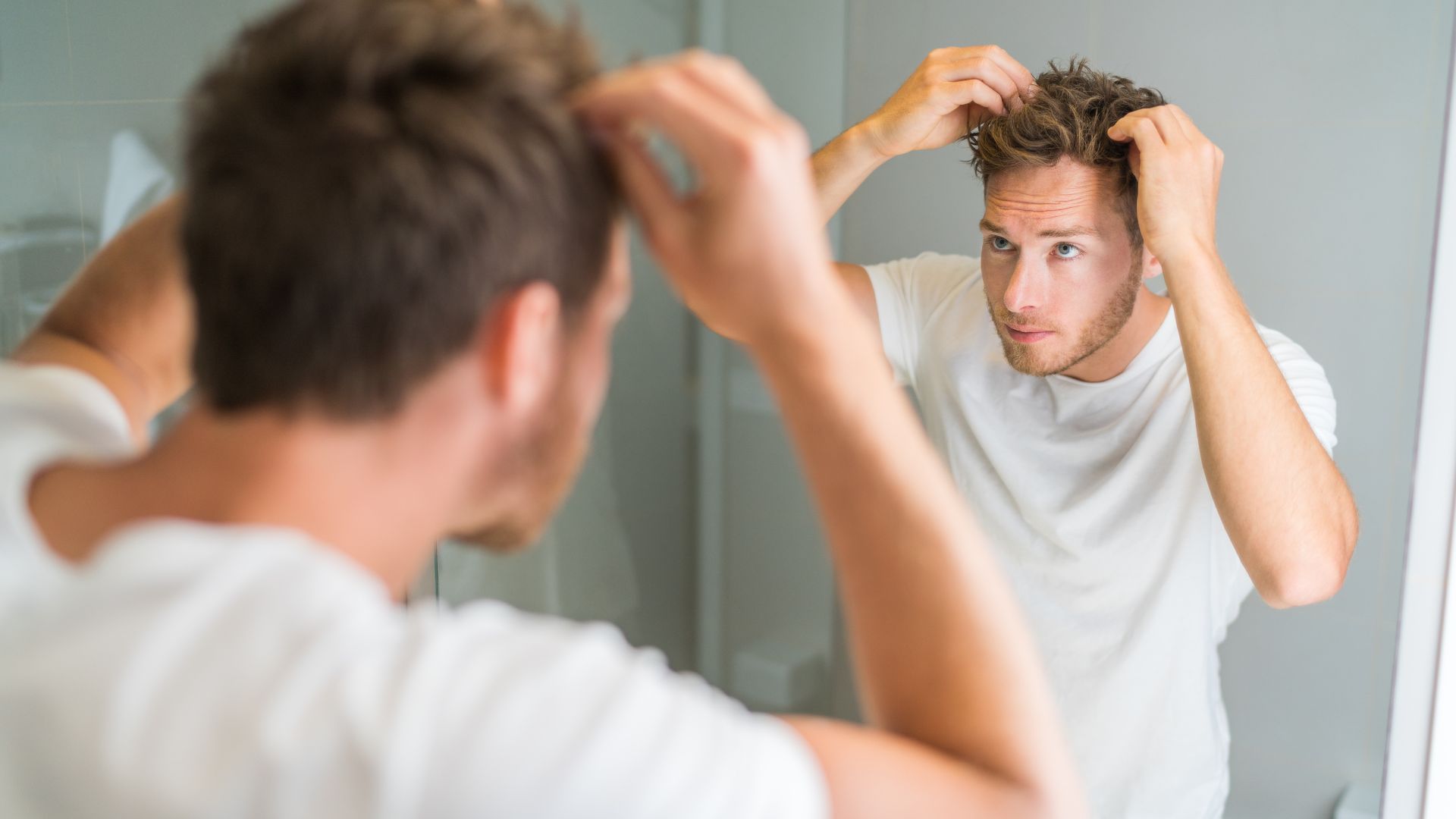
Achieving healthy, vibrant hair doesn’t always require expensive salon visits. By developing a consistent and effective at-home hair care routine, anyone can unlock the potential for stronger, shinier, and more manageable locks. Great hair care is built on understanding individual hair needs and using the right techniques and products to support them. It involves more than just a quick wash; it is a systematic approach that nourishes hair from root to tip, preventing damage and promoting long-term health. A dedicated routine can transform dull, lifeless strands into a crowning glory.
This guide outlines ten essential steps to create the perfect at-home hair care regimen. Following these steps will help establish a foundation for beautiful hair every day. From the way hair is washed and conditioned to how it is dried and styled, each part of the process plays a critical role in its overall condition. By incorporating these practices, individuals can take control of their hair health, address common issues like frizz and breakage, and maintain a polished look that boosts confidence.
1. Understand Your Hair Type and Texture
The first and most crucial step in any hair care routine is to correctly identify the hair type and texture. Hair can be broadly categorized as straight, wavy, curly, or coily, and each category has unique needs. Beyond its shape, hair can be fine, medium, or thick, and its porosity—the ability to absorb and retain moisture—also varies. For example, fine, straight hair may become greasy quickly and require lightweight products, while thick, curly hair often needs rich, hydrating formulas to combat dryness and frizz. Using products designed for the wrong hair type can lead to undesirable results, such as weighed-down locks or insufficient moisture.
Determining these characteristics allows for a more targeted approach to product selection and care techniques. An easy way to test porosity is to place a clean strand of hair in a glass of water. If it sinks, the hair has high porosity; if it floats, it has low porosity. Knowing this helps in choosing products that will either seal the cuticle to lock in moisture or penetrate it effectively. Taking the time to understand these fundamental traits is the cornerstone of building a routine that actually works, leading to healthier, more predictable, and manageable hair.
2. Choose the Right Shampoo and Conditioner
Once the hair type is understood, selecting the appropriate shampoo and conditioner becomes much simpler. These products are the foundation of any washing routine, and using the wrong ones can strip natural oils or fail to provide adequate nourishment. For oily hair, a clarifying or volumizing shampoo can help remove excess sebum without being too harsh. For dry or damaged hair, moisturizing and repairing formulas containing ingredients like shea butter, argan oil, or keratin are beneficial. It is also important to consider scalp health; a dry, itchy scalp might need a medicated or soothing shampoo with tea tree oil or menthol. A patron of a high-end Barbershop in New York would be advised that professional-grade products are often formulated for specific needs, and investing in quality makes a noticeable difference.
Similarly, the choice of conditioner should complement the shampoo and address specific hair concerns. A lightweight conditioner is suitable for fine hair to avoid weighing it down, while a deep, rich conditioner is essential for coarse or curly hair to provide hydration and detangling power. For those with color-treated hair, using sulfate-free, color-safe products is non-negotiable to prevent fading and maintain vibrancy. Reading labels and understanding key ingredients can empower anyone to make informed decisions, transforming their hair wash from a simple cleansing into a targeted treatment.
3. Master the Art of Washing Your Hair
How hair is washed is just as important as the products used. A common mistake is using water that is too hot, which can strip the hair and scalp of their natural oils, leading to dryness and irritation. It is best to use lukewarm water for washing and conditioning. When shampooing, focus the product on the scalp, where most oil and buildup accumulate. Gently massage the scalp with fingertips—not nails—to stimulate circulation and effectively cleanse the area. The suds that run down the hair strands are usually sufficient to clean them without causing excessive friction or dryness.
When applying conditioner, the focus should be reversed. Concentrate the product on the mid-lengths and ends of the hair, which are the oldest and most susceptible to damage and split ends. Avoid applying a heavy amount of conditioner directly to the roots, especially with fine or oily hair, as this can weigh hair down and make it look greasy. After letting the conditioner sit for a few minutes to allow it to penetrate the hair shaft, finish with a cool water rinse. This final step helps to seal the hair cuticle, which locks in moisture and adds shine.
4. Be Gentle When Drying Your Hair
Wet hair is extremely fragile and prone to breakage, so how it is dried can have a major impact on its health. Vigorously rubbing hair with a standard cotton towel is one of the most common Grooming Mistakes people make. The rough texture of terrycloth can create friction that roughs up the hair cuticle, leading to frizz and split ends. Instead, gently squeeze out excess water and blot the hair with a soft microfiber towel or an old cotton t-shirt. These materials are much smoother and absorb water without causing unnecessary damage to the delicate strands.
When it comes to heat drying, minimizing its use is always the best approach. Air-drying is the gentlest method and should be used whenever possible. If using a blow dryer is necessary, apply a heat protectant spray beforehand to create a barrier between the hair and the intense heat. Use the dryer on a low to medium heat setting and keep it moving continuously, holding it at least six inches away from the head. This prevents concentrating heat on one area for too long, which can scorch the hair. A diffuser attachment is excellent for curly hair to enhance the curl pattern without creating frizz.
5. Incorporate Regular Deep Conditioning Treatments
While daily conditioning is important, incorporating a deep conditioning treatment or hair mask into the routine on a weekly basis provides an intensive dose of moisture and nutrients. These treatments are formulated with higher concentrations of beneficial ingredients like proteins, vitamins, and oils that penetrate deeper into the hair shaft to repair damage and restore elasticity. This step is particularly crucial for hair that is dry, brittle, color-treated, or frequently styled with heat. A weekly mask can reverse a lot of the daily wear and tear that hair endures.
To get the most out of a deep conditioning treatment, apply it to clean, damp hair after shampooing. Distribute the product evenly, paying special attention to the ends. For an extra boost, cover the hair with a shower cap and apply gentle heat with a blow dryer for a few minutes or wrap a warm towel around the head. The heat helps to open the hair cuticle, allowing the treatment to penetrate more effectively. Let the mask sit for the recommended time—usually between 10 to 30 minutes—before rinsing it out thoroughly. This simple weekly ritual can dramatically improve hair’s softness, shine, and overall resilience.
6. The Importance of Regular Trims
Even with the most diligent at-home care, split ends are often inevitable. Getting regular trims is a non-negotiable step for maintaining healthy hair and preventing damage from traveling up the hair shaft. Trimming away the damaged ends every six to eight weeks keeps the hair looking neat and healthy, and it can even make hair appear to grow faster because it prevents breakage that would otherwise shorten the strands. This is one of the most fundamental Barbershop Services offered, as it provides the foundation for any healthy haircut or style. It is a proactive measure that stops a small problem from becoming a major one.
For those trying to grow their hair long, skipping trims may seem counterintuitive, but it is actually counterproductive. Split ends that are not removed will continue to split further up the hair, leading to thin, wispy ends that are prone to tangling and breaking. A professional stylist can perform a “dusting,” which involves trimming off the smallest amount necessary to remove the damage without sacrificing significant length. Regular maintenance trims ensure that the hair remains thick and strong from root to tip, contributing to a much healthier overall appearance.
7. Protect Your Hair While You Sleep
A significant amount of hair damage can occur during sleep. Tossing and turning on a cotton pillowcase can create friction that leads to tangles, frizz, and breakage. One of the best ways to protect hair overnight is to switch to a silk or satin pillowcase. The smooth surface of these materials allows hair to glide over it with minimal friction, reducing the risk of waking up with a tangled mess. This simple swap can make a noticeable difference in hair texture and manageability in the morning.
In addition to using a silk pillowcase, securing the hair before bed can also help prevent damage. Sleeping with hair down, especially if it is long, can cause it to get tangled or trapped under the body. Instead, loosely braid the hair or tie it into a high, loose bun on top of the head using a soft scrunchie or a silk hair tie. Avoid using tight elastic bands, which can create a crease in the hair and cause breakage at the point of tension. Protecting hair during sleep ensures that the benefits of the daytime routine are not undone overnight.
8. Master Basic Styling Techniques
Effective at-home styling is about enhancing hair’s natural beauty without causing unnecessary damage. This begins with using the right tools, such as a wide-tooth comb for detangling wet hair and a boar bristle brush for distributing natural oils on dry hair. When detangling, always start from the ends and work your way up to the roots to minimize pulling and breakage. A skilled Barber in New York would emphasize that patience is key; rushing through styling is a recipe for damage. Using products like leave-in conditioners or detangling sprays can make the process much smoother and gentler on the hair.
When using heat styling tools like flat irons or curling wands, always apply a heat protectant first. It is also important to ensure the hair is completely dry before applying direct heat, as styling damp hair can essentially boil the water within the strands, causing them to fracture. Use the lowest effective heat setting for the hair type and try not to pass over the same section of hair multiple times. Learning to create simple, elegant styles that do not rely heavily on heat, such as braids, updos, or using foam rollers, can also help preserve hair health in the long run.
9. Pay Attention to Your Diet and Hydration
Healthy hair starts from within. No amount of topical products can compensate for a poor diet that lacks essential nutrients. Hair is primarily made of a protein called keratin, so consuming an adequate amount of protein from sources like lean meats, fish, eggs, and legumes is vital for strong hair growth. Vitamins and minerals also play a crucial role. Iron, which can be found in spinach and red meat, helps red blood cells carry oxygen to hair follicles. Biotin, found in nuts and eggs, is famous for its role in hair health, while vitamins C and E are powerful antioxidants that protect hair from damage.
Hydration is equally important. Drinking plenty of water throughout the day ensures that the body, including the scalp and hair follicles, is properly hydrated. Dehydration can lead to dry, brittle hair that is more prone to breaking. A balanced diet rich in whole foods, combined with sufficient water intake, provides the building blocks for creating strong, shiny, and resilient hair from the inside out. This holistic approach supports the entire hair care routine and yields the most sustainable and long-lasting results.
10. Stay Consistent and Patient
The final step is perhaps the most challenging: being consistent and patient. Hair does not transform overnight. It can take several weeks or even months to see the full benefits of a new hair care routine. The key is to stick with it. Making these ten steps a regular habit will yield far better results than occasional, intensive treatments. Just like a fitness regimen, consistency is what builds strength and produces visible change over time. It is important not to get discouraged if results are not immediate.
Patience is also required when dealing with hair growth or recovering from damage. Hair typically grows about half an inch per month, so seeing significant new growth takes time. Resisting the urge to constantly switch products and instead giving a chosen routine enough time to work is crucial. By consistently applying these principles of gentle handling, proper nourishment, and protective styling, anyone can achieve their hair goals and enjoy the confidence that comes with having truly healthy, beautiful hair.
Conclusion
Developing a perfect at-home hair care routine is an investment in personal well-being and confidence. It requires an understanding of one’s unique hair type, the use of appropriate products, and the adoption of gentle techniques. From the way hair is washed and dried to the nutrients that support its growth from within, each of these ten steps plays an integral part in the journey toward healthier hair. Consistency is the thread that ties this all together. By committing to a steady and thoughtful regimen, it is possible to achieve and maintain strong, shiny, and beautiful hair that looks and feels its best every single day.