Deciding to grow your hair out is an exciting commitment, but the journey is rarely a straight line to luscious locks. Almost everyone hits that dreaded “awkward stage”—that frustrating period where your hair is too long to style like a short cut but too short to tie back properly. It tends to stick out in weird directions, get in your eyes, and generally feels unmanageable. This phase is the primary reason many people give up and chop it all off just before they reach their goal length. However, with the right strategies and a bit of patience, you can navigate these months without looking unkempt.
The secret to surviving the awkward stage lies in active management rather than passive waiting. It is not enough to simply stop cutting your hair and hope for the best; you need to adjust your grooming routine, experiment with new products, and perhaps visit a professional for maintenance cuts that prioritize shape over length. By treating this intermediate length as a style of its own rather than just a stepping stone, you can maintain a polished appearance. This guide outlines ten essential things you can do to keep your hair healthy, stylish, and under control while you wait for it to reach your desired length.
1. Commit to Regular Maintenance Trims
Many people make the mistake of thinking that growing hair out means avoiding scissors entirely for months on end. This approach often leads to split ends and a shapeless, messy look that makes the awkward phase feel even longer. While you want to keep as much length as possible, regular micro-trims are essential for keeping your hair healthy. Split ends can travel up the hair shaft, causing breakage that ultimately forces you to cut off more length later. By dusting the ends every 8 to 10 weeks, you ensure that the hair growing out is strong and resilient. It might seem counterintuitive to cut hair when you want it to grow, but healthy hair looks better and grows more effectively than damaged hair.
Furthermore, hair grows at different speeds on different parts of the head. For most men, the hair on the back of the head grows faster and denser than the hair on the top and sides, leading to the dreaded “mullet” effect if left unchecked. A maintenance trim allows a stylist to take weight out of the back and sides while leaving the top alone. This helps balance the shape as it grows, making the transition much smoother. Instead of looking like you need a haircut, you will look like you are intentionally rocking a mid-length style. Communicating your long-term goals to your stylist is key so they know exactly what to trim and what to leave alone.
2. Find a Skilled Professional
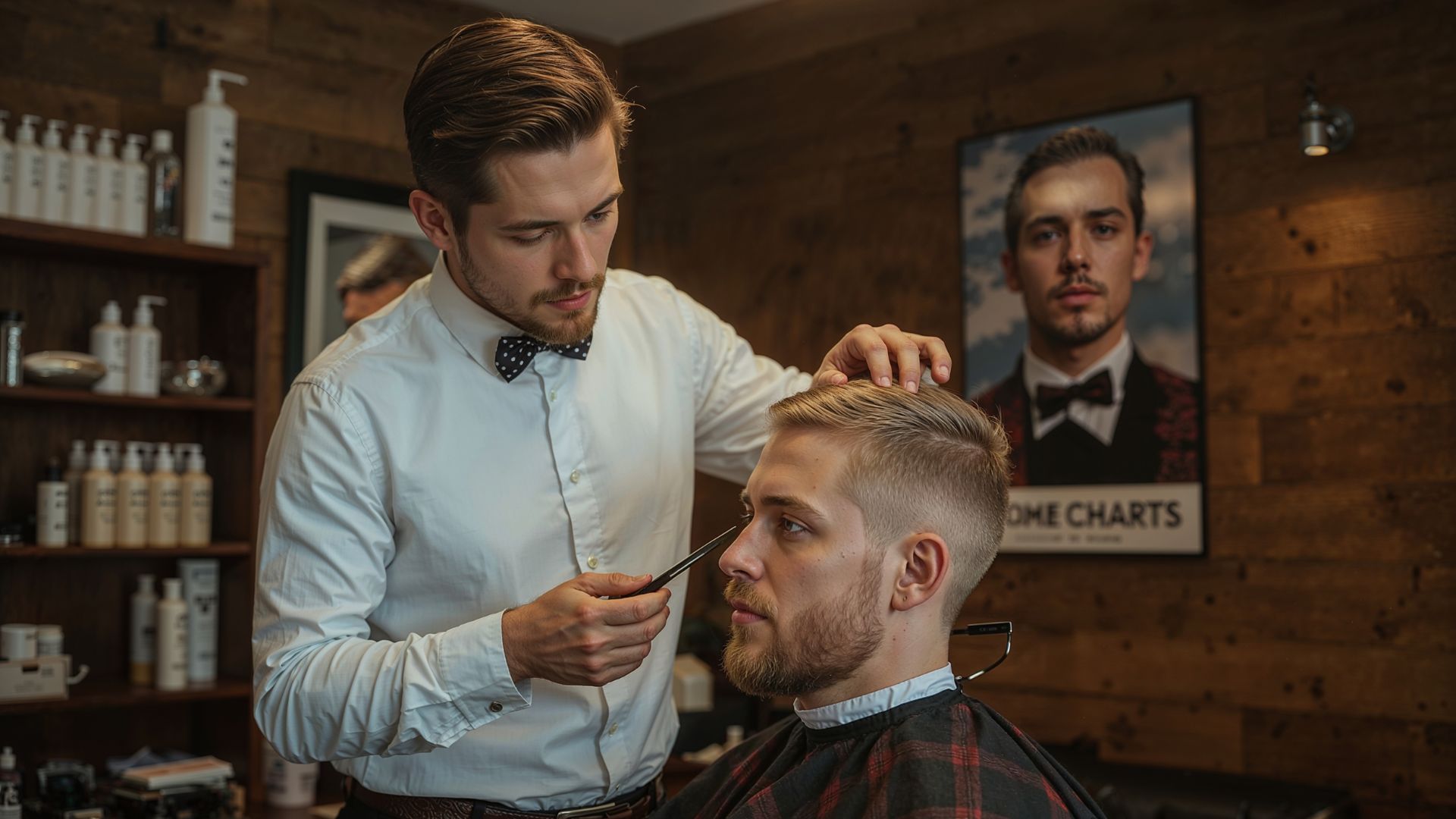
Navigating the awkward stage is much easier when you have a professional in your corner who understands hair growth patterns and transitions. Not all stylists are experienced in guiding clients through a grow-out process, so finding the right one is crucial. You want someone who can visualize the end goal and map out the necessary steps to get there. When looking for a top-rated Barbershop in New York, for example, you should search for establishments that showcase a variety of hair lengths in their portfolio, not just skin fades and buzz cuts. A skilled barber will know how to texturize your hair to remove bulk without sacrificing length, making it sit better and look less puffy during the intermediate stages.
Building a relationship with a specific barber or stylist allows them to get to know your hair’s texture and quirks over time. They can recommend specific products that work for your hair type and show you how to style it during those difficult months where nothing seems to work. They can also offer encouragement when you are tempted to buzz it all off in frustration. Having a trusted expert manage the shape of your hair means you can relax, knowing that even though it is messy, it is a controlled mess. Their expertise turns a potentially disastrous hair period into a manageable, and even stylish, journey.
3. Experiment with Hats and Accessories
There will be days when your hair simply refuses to cooperate, no matter how much product you use or how much time you spend styling it. On these bad hair days, hats and accessories become your best friends. A well-chosen beanie, baseball cap, or bucket hat can instantly hide a multitude of sins while adding a cool element to your outfit. Beanies are particularly effective for holding down unruly sides that tend to wing out during the grow-out phase. By compressing the hair, they can actually help train it to lay flatter over time. It is a simple, low-effort solution that saves you from stress on busy mornings.
Beyond hats, simple accessories like headbands or hair clips can be functional and stylish, depending on your aesthetic. For those with enough length on top, a subtle headband can keep hair out of your face during workouts or focused work sessions. If you are aiming for a rugged look, a bandana can serve the same purpose. The key is to own the look rather than letting the accessory wear you. Using these tools gives you a break from constant styling and protects your hair from environmental damage like wind and sun. They are practical tools in your arsenal to bridge the gap between short and long hair.
4. Prioritize Scalp Health
Healthy hair starts at the root, so taking care of your scalp is just as important as taking care of the strands themselves. As your hair gets longer, it can trap more oil, sweat, and product buildup near the scalp, potentially leading to irritation or dandruff. Incorporating a regular scalp care routine ensures that your hair follicles remain unclogged and healthy, promoting optimal growth. One excellent way to stimulate blood flow and promote relaxation is to incorporate a Scalp Massage into your shower routine. Using your fingertips or a specialized silicone brush to gently massage your scalp while shampooing helps exfoliate dead skin cells and invigorates the hair follicles.
Increased blood circulation delivers more oxygen and nutrients to the roots, which can help hair grow stronger and potentially faster. Additionally, a healthy scalp produces the right amount of natural oils (sebum) to condition your hair as it grows. If your scalp is dry and flaky, or overly oily, it can affect the texture and appearance of your hair. Using a balancing shampoo or occasional scalp scrub can maintain the perfect environment for growth. Treating your scalp with care prevents the itchiness that often accompanies growing hair out and ensures that the new growth is robust and shiny.
5. Upgrade Your Styling Products
The products that worked for your short, textured crop likely won’t work for your mid-length hair. Heavy waxes and strong-hold gels can clump longer hair together, making it look greasy and weighing it down. As your hair grows, you need products that offer control but allow for movement. It is time to switch to lighter options like styling creams, sea salt sprays, or matte pastes. Sea salt spray is a miracle worker for the awkward stage; it adds grit and volume, giving you that effortless “surfer” look that embraces the messiness rather than fighting it. It turns unmanageable fluff into deliberate texture.
Conditioning products also become more important as length increases. Short hair gets trimmed often enough that damage is rarely an issue, but longer hair is older and more prone to dryness. Incorporating a leave-in conditioner or a light hair oil can tame frizz and flyaways, which are common complaints during the grow-out phase. These products smooth the hair cuticle, making your hair look healthier and more intentional. Experimenting with different combinations—like a leave-in conditioner for health followed by a light cream for hold—will help you find the perfect cocktail to manage your specific hair type during this transitional period.
6. Focus on the Edges
One of the biggest indicators of an “awkward” grow-out is untidy edges. When hair grows freely around the ears and down the neck, it can quickly look neglected and sloppy. Keeping the perimeter sharp is a visual trick that makes the rest of the growth look intentional. You can have wild, messy hair on top, but if your neckline and sideburns are clean, the overall impression is one of grooming and care. Regular visits for a Neck Trim are quick and often inexpensive services that make a massive difference in your appearance. It creates a defined boundary that structures the chaotic growth above it.
This strategy buys you time. By cleaning up the “wolfy” areas around the ears and neck, you prevent the haircut from looking round and heavy. It maintains a more masculine, square silhouette even as the hair gets longer. You don’t necessarily need a full haircut to achieve this; simply tapering the edges or cleaning up the neckline can extend the life of your current length by weeks. It separates the man who is lazily skipping haircuts from the man who is actively cultivating a longer style. Keeping the edges crisp is the single most effective way to look professional while growing your hair out.
7. Embrace the Slick Back
As your hair gains length, gravity often causes it to fall forward into your face or puff out at the sides. One of the most classic and effective ways to handle this is to start slicking it back. This style works wonders for intermediate lengths because it gathers all the disparate lengths and unifies them in one direction. It keeps the hair out of your eyes and looks sophisticated enough for formal settings or the office. You don’t need hair down to your shoulders to do this; once you have a few inches on top, you can begin training your hair backward.
To achieve this look without it appearing greasy or stiff, apply a medium-hold pomade or cream to damp hair and comb it back. Allow it to air dry or use a blow dryer to set the shape. Over time, your hair “learns” the direction you want it to go, making it easier to style. If you struggle with volume, slicking it back can help weigh it down and reduce the poofiness that often happens at the awkward stage. It is a timeless look that works on almost every face shape and provides a tidy solution to the problem of hair that is too long to spike but too short to tie.
8. Be Patient and Resist the Urge to Chop
The most difficult part of growing hair out is the mental game. There will be weeks where you feel like you look terrible, and the temptation to walk into a shop and buzz it all off will be overwhelming. This is the moment where most people fail. It is crucial to remember why you started and visualize the end result. If you are struggling, remind yourself that the awkward phase is temporary. It typically lasts a few months, whereas the glory of long hair can last for years. Talking to a Barber in New York or your local stylist about your frustrations can help; they can often make a small adjustment that makes the style bearable for another month.
Set small milestones to keep yourself motivated. Instead of focusing on the final goal which might be a year away, focus on getting the hair past your ears, or reaching your chin. Celebrate these small victories. Look at photos of celebrities or models who have the hairstyle you want and use that as inspiration to push through the bad days. Remember that every day you don’t cut it is a day closer to your goal. Patience is a muscle, and growing your hair out is one of the best ways to exercise it. The satisfaction of finally tying your hair into a bun or having it flow past your shoulders makes the struggle worth it.
9. Adjust Your Washing Routine
When hair is short, you might get away with washing it every day with a harsh shampoo. As it gets longer, however, daily washing can strip away natural oils that are essential for keeping longer strands healthy and manageable. Stripped hair becomes dry, frizzy, and even harder to control, exacerbating the awkwardness of the grow-out phase. It is often beneficial to reduce the frequency of shampooing to two or three times a week. This allows your natural oils to travel down the hair shaft, weighing it down slightly and reducing the “fluff” factor.
On days when you don’t shampoo, you can simply rinse your hair with water or use a conditioner only (often called “co-washing”). This refreshes the hair and removes sweat without drying it out. If your hair feels greasy between washes, dry shampoo is a lifesaver. It absorbs excess oil at the roots and adds volume and texture, which makes styling much easier. Adjusting your washing habits helps the hair sit better naturally. Healthy, moisturized hair is more pliable and cooperative, making your daily styling battle much less strenuous.
10. Use Heat Styling to Your Advantage
While excessive heat can damage hair, using a blow dryer strategically can be a game-changer during the awkward stage. Air-drying often leaves hair to its own devices, resulting in strange waves or cowlicks sticking up in random directions. A blow dryer gives you control. By using heat and a brush, you can direct the hair exactly where you want it to go. You can smooth out unruly waves, flatten puffy sides, or add volume to the top to balance the silhouette. It allows you to manipulate the shape of your hair in ways that product alone cannot.
To prevent damage, always use a heat protectant spray before blow-drying. Use a medium heat setting and finish with a blast of cool air to “set” the style in place. You don’t need to be a professional stylist to master this; simply brushing the hair backward or to the side while drying can make a huge difference in how polished you look. Heat styling can essentially “force” your hair to cooperate during lengths where it naturally wants to do the opposite. It is an active way to manage your look and ensures you leave the house feeling put-together rather than messy.
Conclusion
Growing your hair out is a test of patience, but it doesn’t have to be a styling disaster. By employing these ten strategies—from regular maintenance trims and scalp care to using the right products and accessories—you can navigate the awkward stage with confidence. It is about managing the transition actively rather than passively waiting for the hair to grow. Remember that the awkward phase is just a temporary hurdle on the way to your desired look.
Treat your hair with care, lean on the expertise of professionals, and don’t be afraid to experiment with new styles along the way. With a little effort and the right mindset, you might even find that you enjoy some of the intermediate lengths. Stay committed to your goal, keep your edges sharp, and before you know it, you will have pushed past the awkwardness and achieved the long hair you have been waiting for.