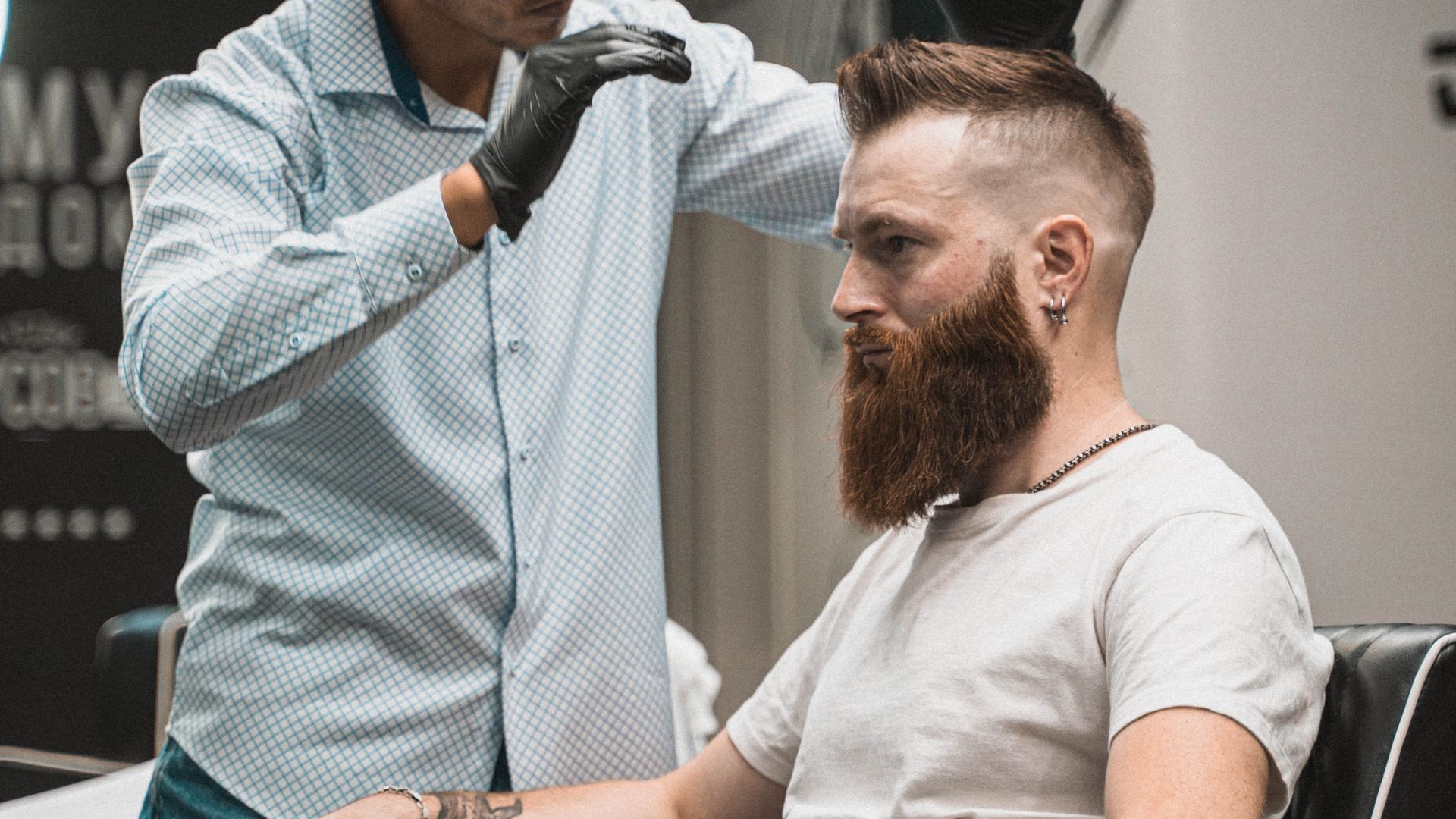
A visit to a traditional barbershop offers more than just a haircut; it is an educational experience in the art of grooming. Barbers are masters of their craft, possessing a wealth of knowledge passed down through generations and refined with modern training. They understand hair on a deep level—its texture, growth patterns, and what it needs to look its best. While the haircut itself is the main event, the subtle techniques and advice shared during the service are where the real value lies. These professionals teach clients how to maintain their style and improve their hair health long after they leave the chair.
Many people follow a hair care routine based on habit or advertising, often using the wrong products or methods for their specific hair type. A barbershop provides personalized guidance that cuts through the noise. From the proper way to wash and condition to the secrets of a perfect shave and the importance of scalp health, these expert techniques can transform a daily chore into a rewarding ritual. This guide explores eleven key lessons in hair care that you can learn from a professional barber, empowering you to take control of your grooming and achieve salon-quality results at home.
1. The Right Way to Shampoo and Condition
A common mistake in hair care is improper washing and conditioning. Many people wash their hair too frequently, stripping it of its natural oils (sebum) which are essential for moisture and protection. This can lead to dry, brittle hair and an irritated scalp. A professional barber will often advise washing the hair only two to three times per week, depending on hair type and lifestyle. When shampooing, the focus should be on cleansing the scalp, not the hair itself. Gently massage the shampoo into the scalp with your fingertips to remove dirt, oil, and product buildup. The suds that rinse through the lengths of the hair are sufficient to clean them without causing unnecessary dryness or friction.
Conditioning is an equally vital step that is often rushed or misunderstood. The primary purpose of conditioner is to restore moisture, smooth the hair cuticle, and make the hair easier to manage. It should be applied mainly to the mid-lengths and ends of the hair, as these are the oldest and most damaged parts. Applying too much conditioner to the scalp can weigh down the hair and lead to greasiness. After applying, it is important to let the conditioner sit for a few minutes to allow it to penetrate the hair shaft. Rinsing with cool water can help to seal the cuticle, locking in moisture and adding shine.
2. Pre-Shave Preparation
Achieving a close, comfortable shave without irritation is an art form, and it begins long before the blade touches the skin. Barbers understand that proper preparation is the most critical step. This process starts with softening both the skin and the beard hair. A hot towel is the classic barbershop method for this, as the steam opens up the pores and makes the coarse facial hair much softer and easier to cut. At home, this can be replicated by shaving after a hot shower or by applying a towel soaked in hot water to the face for a couple of minutes. This step significantly reduces the pulling and tugging that leads to razor burn and nicks.
The next step in preparation is applying a pre-shave oil. This creates a protective barrier over the skin, allowing the razor to glide more smoothly. It further moisturizes the hair and skin, providing an extra layer of lubrication beneath the shaving cream. For those with sensitive skin, this step is a game-changer. Barbers know that a quality razor shave depends on minimizing friction. By taking the time to properly prepare the face, you ensure the blade can do its job efficiently without causing trauma to the skin, resulting in a shave that is not only closer but also far more comfortable.
3. Mastering Lathering Techniques
The quality of a shave is heavily dependent on the quality of the lather. Barbershops traditionally use a shaving brush and soap or cream to whip up a thick, rich lather, and this method is far superior to using a canned foam or gel. A shaving brush, typically made from badger or boar hair, does several things that your hands cannot. First, it helps to exfoliate the skin gently, lifting away dead skin cells. Second, it lifts the beard hairs, coating them evenly with lather and making them stand up, ready to be cut cleanly by the razor. This lifting action is crucial for preventing ingrown hairs.
Learning to create a good lather takes a bit of practice. It involves soaking the brush in hot water, loading it with a small amount of soap or cream, and then working it into a lather in a bowl or directly on the face using circular motions. The ideal lather should be thick, creamy, and have a consistency similar to yogurt, with no large air bubbles. It should feel warm and comforting on the skin. This thick cushion protects the skin from the blade and keeps the hairs moist throughout the shave. This traditional technique turns a mundane task into a luxurious and effective ritual.
4. The Importance of Scalp Health
Healthy hair starts with a healthy scalp. The scalp is the foundation from which the hair grows, and if it is not in good condition, the hair will suffer. Barbers often check the scalp for signs of dryness, oiliness, or irritation. A scalp that is too dry can lead to flaking and dandruff, while an overly oily scalp can clog hair follicles and inhibit growth. Many modern barbershops offer specialized Barbershop Treatments designed to address these issues, such as deep-cleansing scalp exfoliations or hydrating scalp masks. These treatments help to create a balanced environment for optimal hair growth.
At home, maintaining scalp health involves a few key practices. Regular scalp massage is one of the most beneficial. Gently massaging the scalp for a few minutes each day helps to increase blood flow to the hair follicles, delivering more oxygen and nutrients essential for growth. It also helps to distribute natural oils, preventing dryness. Using a clarifying shampoo once a week can help to remove buildup from products, minerals in hard water, and environmental pollutants that can clog follicles. Paying attention to the health of your scalp is a proactive approach to ensuring your hair is strong, vibrant, and full.
5. Proper Blow-Drying Techniques
A blow dryer is a powerful styling tool, but when used incorrectly, it can cause significant heat damage to the hair. Barbers are trained in how to use a blow dryer to create volume and shape without frying the hair. One of the most important lessons is to never use the highest heat setting unless absolutely necessary. A medium or even cool setting is often sufficient to style the hair, especially when paired with the right technique. It is also crucial to always keep the blow dryer moving and to hold it at a distance of at least six inches from the hair to prevent concentrating too much heat on one spot.
Another professional secret is to always use a heat protectant spray before blow-drying. This product creates a protective barrier on the hair shaft, minimizing moisture loss and reducing the risk of damage. Barbers also use the blow dryer to direct the hair into the desired shape. By using a nozzle attachment to concentrate the airflow and a brush to lift the roots, they can build volume and create a style that lasts all day. Learning to blow-dry correctly allows you to recreate your barbershop look at home and gives you much greater control over your style.
6. Using the Right Products for Your Hair Type
Walking down the hair care aisle can be overwhelming, with countless products all promising amazing results. A key part of a barber’s expertise is understanding product formulation and recommending the right products for an individual’s specific hair type and desired style. Using a product designed for thick, coarse hair on someone with fine, thin hair will likely weigh it down and make it look greasy. Conversely, a light-hold product will do nothing for someone trying to control unruly, thick hair. This is one of the most important Basic Barbering Skills—matching the product to the person.
Barbers can explain the difference between pomades, waxes, clays, and creams. A pomade often provides shine and is great for slicked-back, classic styles. A wax offers a medium hold with less shine, while a clay typically provides a strong, matte hold that is perfect for textured, messy looks. A styling cream offers a light hold and is ideal for controlling frizz in longer or curly hair. A barber’s guidance helps you invest in one or two perfect products for your needs rather than wasting money on a drawer full of products that do not work. This personalized advice is invaluable for achieving your desired look every day.
7. The Art of Towel-Drying
Even a simple act like drying your hair with a towel can cause damage if done incorrectly. After a shower, the hair is in its most vulnerable state. It is more elastic and prone to stretching and breaking. Many people vigorously rub their hair with a towel to dry it quickly, but this rough friction roughs up the hair cuticle, leading to frizz, split ends, and breakage. A barber will always handle wet hair with care, gently patting and squeezing the moisture out rather than rubbing.
The type of towel used also makes a difference. Traditional terrycloth towels have a rough texture that can be harsh on the hair. A microfiber towel or even an old, soft t-shirt is a much gentler alternative. These materials are highly absorbent but have a smoother surface that reduces friction and helps to prevent frizz. By simply changing the way you towel-dry your hair, you can significantly reduce daily wear and tear. This small adjustment contributes to healthier, stronger hair over time, preserving the quality of your haircut and making it easier to style.
8. Trimming and Maintaining Facial Hair
A barber’s expertise extends beyond the hair on your head. They are also masters of beard and mustache maintenance. A well-groomed beard can enhance the jawline and balance facial features, but an unkempt one can look messy and unprofessional. A professional barber teaches the importance of establishing clean lines on the cheeks and neck. These lines define the shape of the beard and create a sharp, intentional look. They can show you how to find the right neckline for your face shape—typically just above the Adam’s apple—to avoid the dreaded “neckbeard.”
Beyond shaping, barbers emphasize the need for beard care. Just like the hair on your head, beard hair needs to be washed, conditioned, and moisturized. Using a dedicated beard wash is better than regular shampoo, which can be too stripping for the sensitive skin on the face. After washing, applying a beard oil is essential. Beard oil moisturizes the hair to keep it soft and also hydrates the skin underneath, preventing the itchiness and flakiness often associated with growing a beard. Regular combing or brushing helps to detangle the hair, distribute the oil, and train the hairs to grow in the desired direction.
9. Understanding Hair Growth Patterns
Every person’s hair grows in unique patterns, and understanding these is crucial for a successful haircut and easy daily styling. A skilled barber will analyze the direction of hair growth, the location of cowlicks, and the natural part before they even begin to cut. A cowlick is a section of hair that grows in a spiral pattern, often causing that part of the hair to stand up or go in a different direction from the rest. Trying to force a cowlick to lay flat is often a futile effort. Instead, a good barber will work with it, either by cutting the hair short in that area or by incorporating it into the style.
By pointing out these growth patterns, a barber can teach you why certain styles may or may not work for you. For example, if you have a strong cowlick at your front hairline, trying to wear a blunt, straight-across fringe might be a constant battle. A side-swept style that follows the direction of the cowlick would be much easier to manage. Understanding your own hair’s natural tendencies allows you to choose styles that are in harmony with your hair, not in conflict with it. This knowledge saves you from daily styling frustration and leads to a haircut that looks great with minimal effort.
10. The Use of a Straight Razor
The straight razor is an iconic tool of the barbershop, used for shaving and for creating sharp lines around a haircut or beard. While using one at home requires significant skill and practice, understanding why barbers use it teaches an important lesson about precision. For shaving, a single, sharp blade is often less irritating to the skin than a multi-blade cartridge razor. Multi-blade razors can pull the hair and cut it below the skin level, which can lead to painful ingrown hairs. A straight razor glides over the skin and cuts the hair cleanly at the surface.
For detailing a haircut, a straight razor allows a barber to create incredibly sharp and clean edges around the hairline, sideburns, and neck. This process, often called a shape-up or line-up, gives the haircut a polished, professional finish that is difficult to achieve with clippers alone. While it is not recommended for beginners to try this at home, the lesson is in the value of precision and clean lines. It emphasizes that the small details of a haircut are what elevate it from good to great. It inspires a greater appreciation for the skill involved in barbering and the importance of a sharp, clean finish.
11. Post-Cut Care and Styling
The moments after the haircut is finished are a crucial learning opportunity. This is when the barber styles the hair and demonstrates how to maintain the look at home. It is important to pay close attention during this phase. Watch how they apply the product—how much they use, and how they distribute it through the hair. Many people use too much product, which can make the hair look heavy and greasy. A barber will typically start with a small, pea-sized amount, warm it up by rubbing it between their palms, and then apply it evenly.
Ask questions during this process. Ask what product they are using and why it is right for your hair. Ask them to explain the styling technique so you can replicate it. A good barber wants you to be able to look good every day, not just on the day of your cut. They can offer tips on how to refresh the style on the second day or how to adapt it for different occasions. This final lesson empowers you to take ownership of your new style and maintain its integrity, ensuring you get the most value out of your barbershop visit.
Conclusion
A barbershop is a classroom for hair care, offering personalized education that goes far beyond what can be learned from online videos or product labels. The techniques taught by a professional barber are rooted in a deep understanding of hair science and a commitment to craftsmanship. By learning how to properly wash, prepare for a shave, use products correctly, and care for your scalp, you can elevate your daily grooming routine from a necessity to a skill. Embracing these expert lessons not only leads to better hair health and style but also fosters a greater appreciation for the art of barbering itself.