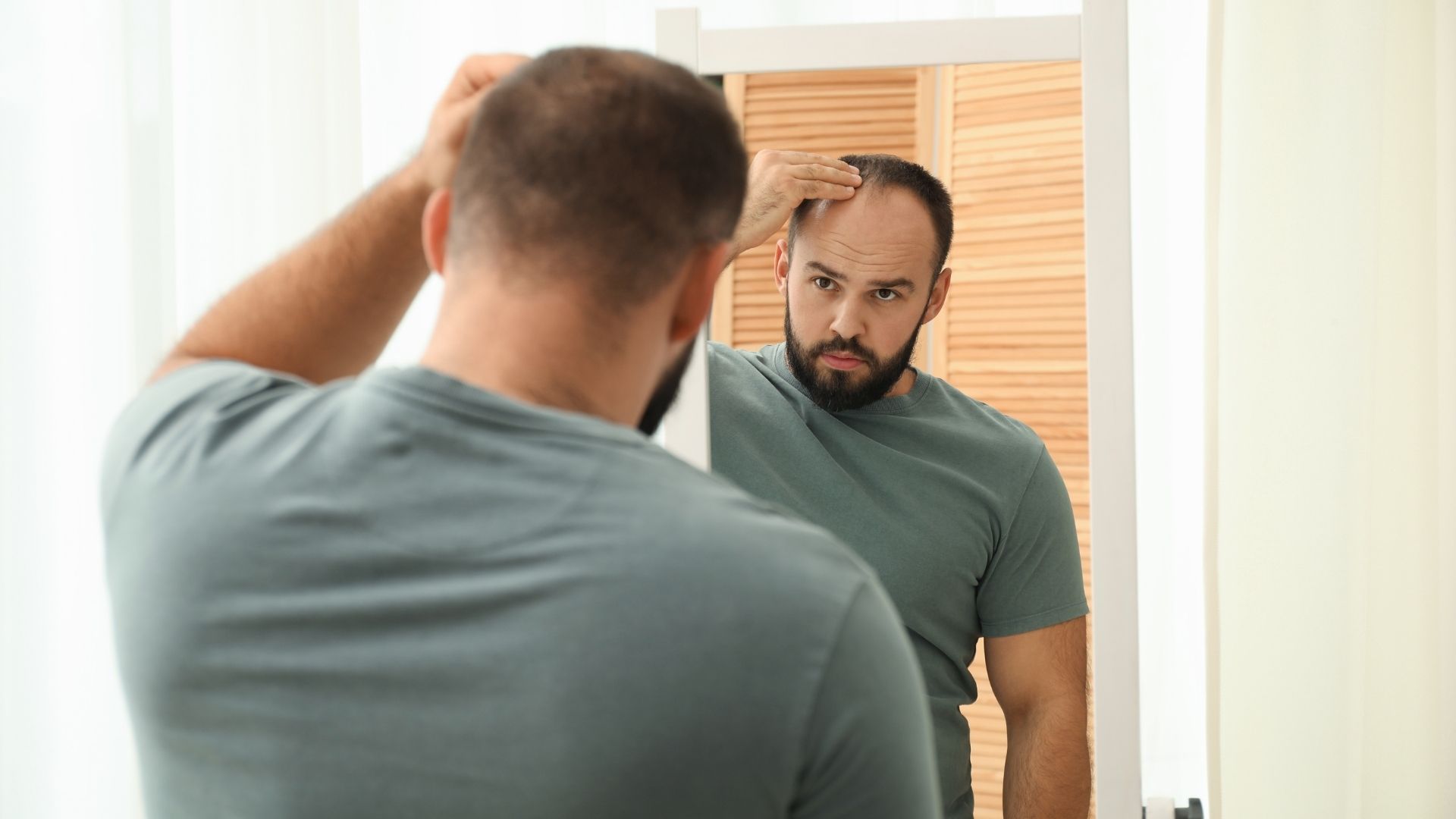
Noticing your hairline starting to creep backward can be a source of significant stress. For many men, a receding hairline is one of the first visible signs of male pattern baldness, a common genetic condition. It can affect your confidence and make you feel older than you are. However, it is important to remember that this is an incredibly common experience, affecting a majority of men at some point in their lives. The good news is that there are numerous ways to manage, conceal, and even embrace a receding hairline. You do not have to let it dictate your style or self-esteem.
The key to dealing with a receding hairline is to be proactive. Instead of trying to hide it with a comb-over or ignoring it altogether, you can adopt new grooming habits and hairstyles that work with your changing hair pattern. From choosing the right haircut to using specific styling products, you can create a look that is stylish, modern, and confident. This guide provides eleven expert tips to help you navigate this transition gracefully, proving that a receding hairline is not an end to great style, but an opportunity to redefine it.
1. Choose the Right Hairstyle
The single most effective way to deal with a receding hairline is to choose a haircut that complements it rather than fights it. The worst thing you can do is grow the front long to try and cover the thinning areas, as this often just draws more attention to it. The goal is to create balance. By keeping the sides shorter, you can make the hair on top appear fuller and more voluminous. Hairstyles that work particularly well include the buzz cut, the textured crop, and the high and tight. These cuts minimize the contrast between your temples and the rest of your hair, creating a more uniform and intentional look.
A short, textured crop, for example, allows you to style your hair forward, which can naturally conceal the higher corners of your hairline. A classic crew cut keeps everything neat and tidy, making the hairline less of a focal point. For those willing to go bolder, a clean buzz cut can be incredibly empowering, taking control of the situation and creating a sharp, masculine aesthetic. Consulting with a professional stylist is crucial; they can assess your specific hair loss pattern and face shape to recommend a cut that will make you look and feel your best. A good haircut works with what you have, enhancing your features and boosting your confidence.
2. Grow Facial Hair
One of the most effective strategies for balancing a receding hairline is to draw attention elsewhere on your face. Growing facial hair, whether it is a full beard, a well-groomed goatee, or even just some sharp stubble, can be a game-changer. A beard creates a new focal point, drawing the eye downward and away from your hairline. It adds a rugged, masculine dimension to your look and helps to frame your face, giving it more structure. This is particularly effective because as the hair on your head recedes, your forehead can appear larger; a beard helps to reclaim some of that facial real estate and restore a sense of balance.
The key is to keep your facial hair neat and well-maintained. An untamed, scraggly beard can look unkempt and detract from your appearance. Regular trimming and shaping are essential. If you are unsure how to shape your beard to best suit your face, a visit to a quality New York Barbershop can make all the difference. A professional can help you establish clean lines that complement your jawline. Pairing a sharp haircut with a tidy beard creates a powerful, put-together look that says you are in control of your style, making the receding hairline a non-issue.
3. Use Volumizing Products
When your hair starts to thin, it can often look flat and lifeless. This is where the right styling products can make a significant difference. Volumizing products are designed to make your hair appear thicker and fuller by adding lift at the roots and creating texture. Look for products like mousses, texture powders, and sea salt sprays. A volumizing mousse applied to damp hair before blow-drying can create a significant amount of lift and body. Texture powders are a dry product that you sprinkle onto the roots to absorb oil and provide a gritty, matte finish that adds instant volume.
Sea salt spray is another excellent tool. It mimics the effect that ocean water has on your hair, giving it a slightly messy, textured look that adds fullness. Avoid heavy, greasy products like strong-hold gels or waxes, as these can clump the hair together, exposing more of the scalp and making the thinning more obvious. The goal is to create a light, airy style that has movement and body. By incorporating these volumizing aids into your daily routine, you can give the illusion of thicker hair, which helps to minimize the appearance of a receding hairline.
4. Try a Shorter Cut
While it might seem counterintuitive, going shorter is often the best strategy for a receding hairline. As mentioned earlier, longer hair can draw attention to the thinning areas, especially if it is fine or limp. A shorter haircut, on the other hand, reduces the visual contrast between the thicker parts of your hair and the receding temples. It creates a cleaner, more cohesive look. This is why styles like the buzz cut and the crew cut are so popular among men with male pattern baldness. They are simple, masculine, and they put you in control of your hair loss.
Beyond just looking better, shorter hair is also easier to manage. You will spend less time in the morning trying to style it or worrying about how it looks throughout the day. If you are not ready to commit to a full buzz cut, consider a short textured style. These are a few of the Must-Have Products for this look, including a matte clay or paste to create a bit of separation and definition. The key is to find a length that feels comfortable for you while still achieving that goal of minimizing contrast. A shorter style signals confidence and acceptance, showing that you are not trying to hide anything.
5. Pay Attention to Your Scalp Health
Healthy hair grows from a healthy scalp. While you cannot reverse genetic hair loss through scalp care alone, you can create the best possible environment for the hair you do have to thrive. A neglected scalp can lead to issues like dandruff, inflammation, or clogged follicles, all of which can exacerbate hair thinning. Make sure you are using a quality shampoo that cleanses your scalp without stripping it of its natural oils. Look for shampoos that contain ingredients like ketoconazole or pyrithione zinc if you struggle with dandruff.
Incorporating a regular scalp massage can also be beneficial. Massaging the scalp helps to increase blood flow to the hair follicles, which delivers more oxygen and nutrients essential for healthy growth. You can do this with your fingertips while you shampoo or use a dedicated scalp massager. Additionally, exfoliating your scalp once a week with a gentle scrub can help to remove dead skin cells and product buildup, ensuring your follicles are clear and healthy. Taking care of your scalp is a foundational step that supports the overall health and appearance of your hair, making it look as good as possible.
6. Embrace the Buzz Cut
For many men, the most liberating step in dealing with a receding hairline is to stop fighting it and embrace a buzz cut. This hairstyle involves clipping the hair to a very short, uniform length all over the head. It is a bold, confident move that completely eliminates the issue of a receding hairline by making it a part of a deliberate, minimalist style. A buzz cut looks clean, sharp, and incredibly low-maintenance. It highlights your facial features, such as your eyes and jawline, and projects an image of no-nonsense masculinity.
The buzz cut requires Regular Haircuts to maintain its sharp appearance. A professional barber can use clippers with different guard lengths to tailor the buzz cut to your head shape, perhaps leaving it slightly longer on top or fading the sides to create a more polished look. While you can do it at home, a professional will ensure the lines are perfectly clean, especially around the neckline. This style is not just about giving up; it is about taking control. By choosing to buzz your hair, you are making a powerful statement that you are confident in your appearance, with or without a full head of hair.
7. Style Your Hair Forward or to the Side
If you are not ready for a very short cut, you can use styling techniques to de-emphasize your hairline. Instead of combing your hair straight back, which exposes the entire hairline, try styling it forward or to the side. A textured crop with a short fringe that is brushed forward is a very popular and modern way to handle receding temples. The forward movement of the hair naturally covers the higher corners of your forehead, making the recession much less noticeable. This works best with a shorter cut that has a lot of texture to avoid looking like a toupee.
Another option is a deep side part. By creating a part on one side and combing the hair across the top of your head, you can add volume and create an asymmetrical look that distracts from the symmetry of a receding hairline. This is not a comb-over; the hair should be cut and layered appropriately to fall this way naturally. A light pomade or styling cream can help to hold the style in place without weighing it down. This strategy is all about creating a new shape and flow for your hair that works with its current state, rather than against it.
8. Consider Coloring Your Hair
The color of your hair can have a surprising impact on how noticeable your receding hairline is. If there is a high contrast between your hair color and your skin tone, the thinning areas will be more apparent. For example, very dark hair on fair skin will make the exposed scalp at the temples stand out. By slightly lightening your hair color or adding subtle highlights, you can reduce this contrast and soften the appearance of the hairline. This helps the hair and scalp blend together more seamlessly, giving the illusion of greater density.
This is a step that should be handled by a professional. Box dyes from the drugstore can lead to unnatural colors and damage your already fragile hair. A skilled colorist, like one you might find by asking a top New York Barber for a recommendation, can create a custom color that looks natural and complements your skin tone. They can use techniques like babylights to add subtle dimension that makes the hair appear fuller. While it is not a solution for everyone, adjusting your hair color can be a clever cosmetic trick to boost your confidence while you explore other options.
9. Avoid Harsh Chemicals and Heat
When your hair is already thinning, the last thing you want to do is cause more damage to the strands you have left. Harsh chemical treatments, such as bleaching, perming, or relaxing, can weaken the hair shaft, leading to breakage and further hair loss. While strategic coloring can help, it should always be done by a professional who can take steps to protect your hair’s integrity. Similarly, excessive use of heat styling tools like flat irons or even very hot blow dryers can dry out your hair and make it brittle.
Try to let your hair air dry as often as possible. If you must use a blow dryer, use it on a low heat setting and apply a heat protectant spray beforehand. Be gentle with your hair when it is wet, as it is most fragile in this state. Avoid rough towel drying; instead, pat your hair dry gently. Also, be mindful of the products you use. Shampoos containing harsh sulfates can be very drying. Look for gentler, sulfate-free formulas that will cleanse your hair without stripping it of moisture. Preserving the health of your existing hair is crucial for making it look its best.
10. Focus on a Healthy Lifestyle
Your hair health is often a reflection of your overall health. While you cannot change your genetics, you can support healthy hair growth through your diet and lifestyle choices. A balanced diet rich in vitamins and minerals is essential. Nutrients like iron, zinc, biotin, and protein are all crucial for building strong hair. Make sure you are eating plenty of fruits, vegetables, lean proteins, and healthy fats. If you feel your diet might be lacking, you can talk to a doctor about whether a supplement, such as a multivitamin or a specific hair growth supplement, might be right for you.
Managing stress is also incredibly important. High levels of stress can contribute to a type of hair loss called telogen effluvium, which can worsen male pattern baldness. Find healthy ways to manage your stress, such as regular exercise, meditation, yoga, or spending time in nature. Getting enough sleep is also key, as this is when your body repairs itself. While a healthy lifestyle will not magically restore your hairline, it will ensure that your hair is as strong and resilient as it can be, which is a vital part of looking and feeling your best.
11. Own It with Confidence
Ultimately, the most powerful tool you have for dealing with a receding hairline is your own attitude. Fretting over your hair loss and trying desperately to hide it will only make you feel more self-conscious. The moment you decide to accept it and own it is the moment it ceases to have power over you. Confidence is more attractive than a perfect head of hair. Many of the most stylish and admired men in the world have receding hairlines or are completely bald. Their style comes from their confidence, not their hair.
Find a haircut and style that makes you feel good, and then stop worrying about it. When you project confidence, people respond to your energy, not your hairline. Focus on the things you can control: your fitness, your clothing, your posture, and how you carry yourself. Stand up straight, make eye contact, and smile. Your hairline is just one small part of who you are. By embracing it as part of your look, you take back control. Whether you choose a buzz cut, a sharp crop, or grow a beard, do it with confidence and conviction.
Conclusion
A receding hairline is a natural part of aging for many men, but it does not have to be a source of constant worry. By taking a proactive and strategic approach, you can manage your changing hair with style and grace. From choosing a flattering haircut and using the right products to focusing on your overall health and wellness, there are many steps you can take to look and feel your best. The most important tip, however, is to cultivate confidence.
Consulting with a professional barber or stylist can provide you with personalized advice and a haircut that truly works for you. Remember that your style is defined by more than just your hair. By embracing this change and owning your look, you can navigate your 30s and beyond with a strong sense of self-assurance. A receding hairline does not diminish your style; it simply changes the canvas you have to work with.