
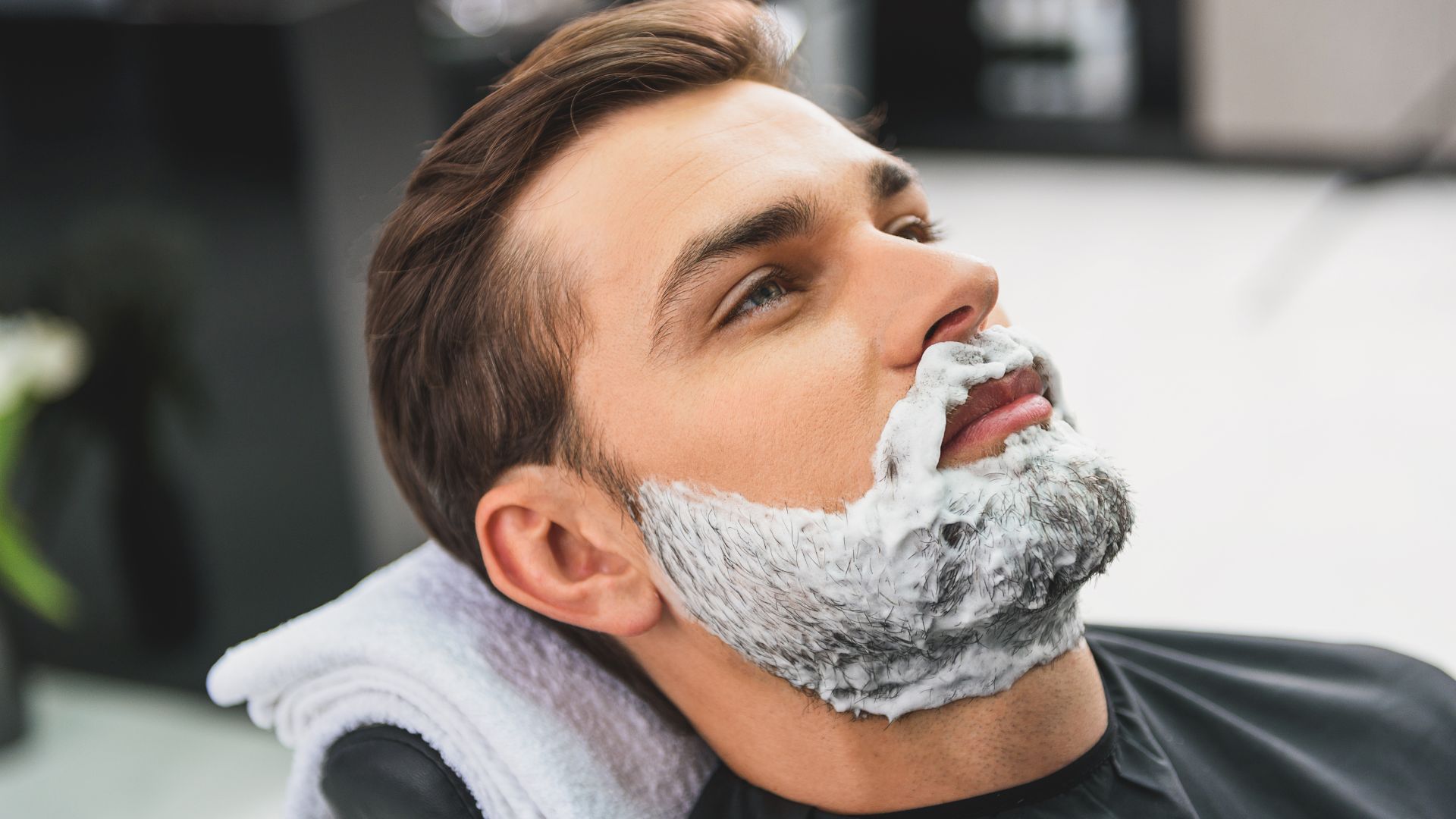
Achieving a perfectly smooth shave without irritation, nicks, or razor burn can often feel like an impossible task. Many people rush through their morning routine, dragging a razor across dry, unprepared skin, and then wonder why they are left with redness and discomfort. The secret to a superior shave is not found in the razor alone, but in the careful preparation of the face beforehand. Taking the time to properly prep your skin can transform the entire experience from a daily chore into a satisfying grooming ritual. A great shave leaves your skin feeling refreshed, clean, and comfortable throughout the day.
This guide breaks down the process into eleven clear and manageable steps. By following this comprehensive routine, you can soften your facial hair, protect your skin, and ensure the blade glides effortlessly. Each step plays a crucial role in preventing common shaving problems and promoting healthier skin overall. From washing your face correctly to choosing the right products, this preparation process will help you get the closest and most comfortable shave you have ever had. It is time to say goodbye to razor bumps and hello to impeccably smooth skin.
1. Wash Your Face with Warm Water
The first and most fundamental step in preparing for a shave is to wash your face thoroughly. Using warm water is key, as it helps to open up your pores and soften the tough keratin protein in your facial hair. When the hair is softer, it is significantly easier for the razor blade to cut through, reducing the pulling and tugging that often leads to irritation. Splashing your face with warm water for about 30 seconds or, even better, shaving after a warm shower, ensures your skin and whiskers are in the ideal state. A shower provides the added benefit of steam, which deeply hydrates the skin and hair.
A clean face is also essential for preventing infection and breakouts. Throughout the day, your skin accumulates dirt, oil, and dead skin cells. Shaving over this buildup can push bacteria into the tiny micro-abrasions created by the razor, leading to pimples and inflammation. Using a gentle facial cleanser removes these impurities, providing a clean surface for the blade to work on. This simple action minimizes the risk of post-shave acne and ensures that your skin feels fresh and clear. Avoid harsh soaps that can strip the skin of its natural oils, as this will lead to dryness and increased sensitivity.
2. Exfoliate to Remove Dead Skin Cells
Exfoliation is a game-changing step that many people skip, but it is vital for achieving the smoothest shave possible. This process involves removing the outermost layer of dead skin cells, which can clog your razor and prevent it from making direct contact with the hair follicles. When the razor has to glide over a rough, uneven surface, it is more likely to cause nicks and an inconsistent cut. A gentle exfoliator clears this debris away, revealing a smoother layer of skin underneath and allowing for a much closer shave. For anyone looking to get a professional-quality shave in New York, this is a non-negotiable step that barbers always recommend.
There are two main types of exfoliants: physical and chemical. Physical exfoliants use small particles, like sugar or crushed seeds, in a scrub to manually buff away dead skin. Chemical exfoliants use acids, such as glycolic or salicylic acid, to dissolve the bonds holding the dead cells together. For pre-shave prep, a gentle physical scrub used two to three times a week is often sufficient. Be careful not to scrub too aggressively, as this can cause micro-tears and irritation. Exfoliating not only smooths the skin’s surface but also helps to lift ingrown hairs, making them easier to remove and preventing future ones from forming.
3. Apply a Pre-Shave Oil
Once your face is clean and exfoliated, the next step is to apply a high-quality pre-shave oil. This product acts as an extra layer of lubrication and protection between your skin and the razor blade. The oil creates a slick surface that helps the razor glide more smoothly, dramatically reducing friction. This reduction in drag is what helps prevent razor burn, redness, and the painful pulling sensation that can occur with thick or coarse facial hair. A few drops are all you need; massage the oil gently into the beard area, ensuring it covers all the hair you intend to shave.
Pre-shave oil also serves another important purpose: it helps to further soften and condition the whiskers. The oil penetrates the hair shaft, making it more pliable and easier to cut. This is particularly beneficial for individuals with sensitive skin, as it minimizes the force required to slice through the hair, thereby reducing stress on the skin. Furthermore, the oil moisturizes the skin underneath, keeping it hydrated and supple throughout the shaving process. Think of it as a primer for your face, creating the perfect canvas for the shaving cream and razor to follow. It is a small step that makes a huge difference in the overall comfort and result of your shave.
4. Use a High-Quality Shaving Cream or Gel
The choice of shaving lubricant is critical, and it is worth moving beyond the cheap, aerosol foam cans. High-quality shaving creams, gels, or soaps provide superior lather and cushioning for the skin. These products are formulated to lift the hair follicles away from the skin, allowing the razor to cut them cleanly at the base. A thick, rich lather holds moisture against the skin and hair, keeping them soft and hydrated throughout the shave. This prevents the hair from drying out and becoming difficult to cut midway through the process. A good lather is the foundation of a comfortable shave, just as a clean neck trim is the finishing touch of a great haircut.
When applying your shaving cream, consider using a shaving brush. A brush helps to create a richer, thicker lather than you can achieve with your hands alone. The bristles work the cream deep into your beard, ensuring every hair is coated and lifted. The circular motion of applying the cream with a brush also provides a gentle exfoliating effect and stimulates the skin. Allow the lather to sit on your face for a minute or two before you start shaving. This extra time gives the product a chance to fully soften the hair and prepare the skin, resulting in a significantly smoother and more comfortable experience.
5. Map Your Beard Growth Pattern
Before the razor even touches your face, take a moment to understand the direction your facial hair grows. This is known as “mapping your beard.” Hair does not always grow straight down; it can grow in different directions on various parts of your face, such as your cheeks, neck, and chin. To check the growth pattern, run your fingers across your stubble. The direction that feels rough is against the grain, and the direction that feels smooth is with the grain. Knowing this map is crucial for minimizing irritation.
The first pass of your shave should always be with the grain. Shaving in the same direction as hair growth is the gentlest approach and is essential for preventing razor bumps and ingrown hairs, especially for those with sensitive skin. While shaving against the grain can provide a closer result, it also significantly increases the risk of cutting the hair below the skin level, which is what causes painful bumps to form. By mapping your beard, you can shave smarter, not harder, tailoring your technique to the unique landscape of your face for a much better outcome.
6. Use a Sharp, Clean Blade
Using a dull or dirty razor blade is one of the most common causes of a bad shave. A dull blade will tug and pull at the hair instead of cutting it cleanly, leading to significant irritation and an uneven finish. It also requires you to apply more pressure, which increases the likelihood of nicks and cuts. A sharp blade, on the other hand, will glide effortlessly across the skin, slicing through hair with minimal force. It is important to replace your blade or disposable razor regularly. A general rule is to change it every five to seven shaves, but this can vary depending on the thickness of your hair. This discipline is a core part of good At-Home Hair Care.
Equally important is ensuring your blade is clean. After each shave, rinse the razor thoroughly with hot water to remove any hair, skin cells, and shaving cream residue. Trapped debris can harbor bacteria, which can lead to infections and breakouts the next time you shave. It also physically blocks the blade, making it less effective. Never tap your razor on the side of the sink, as this can damage the fine edge of the blades. Simply rinsing it well and storing it in a dry place where air can circulate will keep it in optimal condition for your next shave.
7. Shave with Light, Gentle Strokes
With all the preparation complete, it is time to start shaving. The key here is to let the razor do the work. There is no need to apply heavy pressure. A sharp blade combined with proper lubrication from pre-shave oil and cream should allow the razor to glide smoothly with just its own weight. Pressing too hard is a direct cause of razor burn, as it scrapes away layers of skin along with the hair. It also creates an uneven surface by depressing the skin, making it harder to get a consistently close shave.
Use short, light strokes, and work in small sections. After every one or two strokes, rinse the blade with hot water to keep it clean and clear of debris. This ensures the razor remains effective throughout the shave and prevents you from spreading cut hairs and old lather across your face. Shaving with a gentle touch may feel counterintuitive if you are used to pressing hard, but it is the most effective technique for protecting your skin. This mindful approach reduces irritation and leaves your skin feeling calm and comfortable rather than raw and abraded.
8. Rinse with Cold Water
After you have completed the shave, the immediate aftercare is just as important as the preparation. The first thing to do is rinse your face thoroughly, but this time with cold water. While warm water was used at the beginning to open the pores, cold water has the opposite effect. It helps to close the pores, which is important for preventing any dirt or bacteria from entering the freshly shaven skin. A splash of cold water is also incredibly refreshing and helps to soothe the skin, reducing any initial redness or inflammation that may have occurred. This is a technique that any professional Barber in New York would use to finish a classic hot towel shave service.
Gently pat your face dry with a clean, soft towel. Avoid rubbing the towel vigorously against your skin, as this can cause friction and irritation on the sensitive, newly exposed skin. Rubbing can undo all the careful work you have just done to keep the skin calm. A gentle patting motion will absorb the excess water without causing any stress to the skin. This simple switch in your drying technique can make a noticeable difference in how your skin feels post-shave, keeping it smooth and comfortable instead of red and aggravated.
9. Apply an Aftershave Balm or Moisturizer
Shaving is an inherently exfoliating and slightly abrasive process, so it is crucial to replenish the skin’s moisture and soothe it immediately afterward. This is where an aftershave product comes in. However, it is important to choose the right kind. Many traditional, alcohol-based aftershave splashes can be very drying and stinging, which can cause more harm than good, especially for sensitive skin. Instead, opt for a hydrating aftershave balm or a gentle, alcohol-free moisturizer. These products are designed to rehydrate the skin, calm irritation, and restore its natural protective barrier.
Look for balms that contain soothing ingredients like aloe vera, chamomile, or calendula. These natural ingredients help to reduce redness and provide immediate relief. Moisturizing agents like hyaluronic acid, glycerin, or shea butter will help lock in hydration and keep your skin feeling soft and supple all day long. Applying a quality aftershave balm is the final protective seal on your shave. It ensures that your skin recovers quickly and remains healthy, preventing the dryness and tightness that can often follow a close shave. This step is essential for maintaining long-term skin health.
10. Clean Your Shaving Tools
Your post-shave routine is not complete until your tools are clean and properly stored. Just as you rinsed the razor blade between strokes, you need to give it a final, thorough cleaning. Run the razor head under hot water to dislodge any remaining hair, skin, and product residue. If you use a shaving brush, it needs to be cleaned as well. Rinse the brush thoroughly with warm water, gently squeeze out the excess moisture, and then hang it on a stand with the bristles facing down. This allows it to air dry completely, which prevents bacteria from growing and protects the bristles from damage.
Proper storage is key to extending the life of your tools and ensuring a hygienic shave next time. Never leave your razor in the shower or on a wet surface, as the constant moisture can encourage rust and bacterial growth on the blades. A dry, well-ventilated area is best. A razor and brush stand is an excellent investment, as it keeps your tools organized and allows them to dry properly. Taking a minute to clean and store your equipment correctly is a simple habit that pays off by ensuring every shave is as clean and safe as the last.
11. Let Your Skin Rest
Finally, give your skin time to recover. While a good preparation routine minimizes damage, shaving still places a degree of stress on the skin. If possible, avoid shaving every single day, especially if you have sensitive skin. Shaving every other day or every few days gives your skin a chance to heal and regenerate. This can significantly reduce the cumulative irritation that leads to chronic issues like razor bumps and persistent redness. Listen to your skin; if it feels raw or looks irritated, give it an extra day off.
It is also wise to avoid applying products with harsh chemicals or strong fragrances immediately after shaving. This includes certain colognes or exfoliants containing high concentrations of acids. The skin is at its most vulnerable post-shave, and these substances can cause stinging and inflammation. Stick to gentle, soothing products for the first few hours after you shave. Allowing your skin adequate time to rest and recover is the final, passive step in ensuring it remains healthy, smooth, and resilient for the long term.
Conclusion
Mastering the art of the perfect shave is a process of thoughtful preparation and careful execution. By integrating these eleven steps into your grooming routine, you can transform a daily necessity into a moment of self-care that leaves your skin in exceptional condition. From properly cleansing and exfoliating your face to using a sharp blade and finishing with a soothing balm, each action contributes to a smoother, closer, and irritation-free result. The quality of your shave is not just about the final look, but about the long-term health and comfort of your skin.
Dedicating a few extra minutes to this preparation will pay dividends, preventing common issues like razor burn, nicks, and ingrown hairs. You will find that your skin feels better, looks clearer, and the results of your shave last longer. Experiment with these steps to find the perfect combination of products and techniques that work best for your specific skin and hair type. With a little practice, you can achieve a barbershop-quality shave in the comfort of your own home every time.