Getting a new haircut is an exciting way to refresh your look, but it can also be a source of major anxiety. We have all seen a stylish haircut on a celebrity or a friend and thought, “I want that,” only to hesitate in the barber’s chair, worried it will not look the same on us. The fear of a bad haircut—one that does not flatter your features or fit your lifestyle—is real. A haircut is a commitment, and a mistake can take months to grow out. This apprehension often leads people to stick with the same safe style for years, missing out on the chance to discover a look they might love even more.
The good news is that choosing a new hairstyle does not have to be a complete gamble. By taking a more analytical approach, you can significantly increase the chances that your chosen cut will be a success. It involves understanding a few key things about yourself, from the shape of your face to the amount of time you are willing to spend styling your hair each morning. This guide provides eleven practical ways to determine if a new hairstyle will actually suit you, empowering you to make a confident decision before the first snip is ever made.
1. Understand Your Face Shape
The most fundamental rule of choosing a flattering hairstyle is to consider your face shape. A haircut should work to balance your features, creating the illusion of a more oval-shaped face, which is considered the most symmetrical. The main face shapes are oval, round, square, heart, diamond, and long. To determine yours, pull your hair back and look at your reflection. Pay attention to the width of your forehead, cheekbones, and jawline. Is your jaw sharp and angular like a square, or soft and curved like a round face? Is your face longer than it is wide?
Once you have identified your shape, you can find styles that complement it. For example, men with square faces often look great with softer styles that have some height on top, like a quiff, which can soften the strong jawline. Round faces benefit from haircuts with sharp angles and volume on top to create elongation, such as a pompadour with a tight fade. Heart-shaped faces, which are wider at the forehead, look balanced with medium-length hair on the sides to add volume around the chin. Choosing a style that contrasts with your face shape instead of mimicking it is the key to creating harmony and balance.
2. Consider Your Hair Type and Texture
The haircut you see in a magazine might look amazing on a model with thick, straight hair, but it could be a disaster if you have fine, curly hair. Your hair’s natural type and texture are a huge factor in whether a style will work for you. Hair can be straight, wavy, curly, or coily, and its texture can be fine, medium, or coarse. A cut that requires hair to lay flat and smooth will be a constant battle if your hair is naturally voluminous and wavy. Similarly, a style that needs a lot of volume will fall flat if your hair is very fine. It is crucial to be realistic about what your hair can and cannot do naturally.
Before committing to a new look, have an honest conversation with a professional. A skilled stylist at a reputable New York Barbershop can analyze your hair and tell you how it will likely behave in a certain cut. They can suggest modifications to make a style work with your texture, such as adding layers to remove bulk from thick hair or using texturizing techniques to add body to fine hair. Choosing a hairstyle that works with your natural texture, rather than against it, will save you countless hours of styling frustration and lead to a much better result.
3. Assess Your Lifestyle and Maintenance Commitment
A great hairstyle should fit seamlessly into your daily life. Before you opt for a high-maintenance pompadour or a perfectly coiffed undercut, be honest with yourself about how much time you are willing to dedicate to your hair each morning. If you are someone who likes to wake up and go with minimal fuss, a style that requires a blow dryer and multiple products will quickly become a chore. Your profession also plays a role. A creative, edgy haircut might be perfect for an artist but could look out of place in a conservative law firm.
Think about your daily routine. Do you work out often and need a style that can handle sweat and frequent washing? Do you work outdoors and need something that will not be ruined by a little wind? A low-maintenance crew cut or a textured crop might be more suitable for an active or busy lifestyle. A more elaborate style, like a classic side part, requires a bit more effort but projects a very professional image. Make sure the maintenance level of the haircut you want aligns with the reality of your day-to-day life to avoid a style that you love in the chair but resent by the end of the week.
4. Factor in Hair Growth Patterns and Cowlicks
Even if your face shape and hair texture are perfect for a certain style, unruly growth patterns can throw a wrench in the works. Cowlicks, whorls, and widow’s peaks are all natural features that dictate the direction your hair wants to grow. A cowlick at the front hairline can make it impossible to wear a blunt fringe, as it will constantly cause the hair to pop up. A double crown at the back of your head can create a parting where you do not want one. Ignoring these growth patterns is a common mistake that leads to hair that just will not cooperate.
A professional barber is trained to spot these features and cut the hair in a way that works with them. They might leave a little extra length and weight over a cowlick to help hold it down, or use a specific texturizing technique to blend a whorl. The frequency of your trims also matters here. Styles that are very short and precise require Regular Haircuts to keep them from being quickly distorted by growth patterns. During your consultation, point out any cowlicks or tricky spots you are aware of. A good stylist can tell you if your desired cut is compatible with your hair’s natural tendencies.
5. Use Virtual Hairstyle Apps
In the digital age, you do not have to rely solely on your imagination to picture a new hairstyle. There are dozens of mobile apps that allow you to “try on” different haircuts and colors virtually. While they are not a perfect science, these apps can give you a general idea of how a certain length or shape will look on you. You simply upload a clear, front-facing photo of yourself and scroll through a library of different styles. This is a fun, no-risk way to experiment with looks you might not have considered otherwise.
Seeing a visual representation can be very helpful. A long hairstyle might sound great in theory, but seeing it virtually might make you realize it drags your features down. Conversely, you might be surprised to find that a shorter cut you were nervous about actually looks fantastic. These apps are best used as a starting point for ideas, not as an exact preview of the final result. You can screenshot the looks you like the most and bring them to your stylist to discuss whether a real-world version is achievable and flattering for you. It is a modern tool that helps take some of the guesswork out of the decision.
6. Look for Examples on People with Similar Features
Finding a picture of a celebrity with a great haircut is a common starting point, but it is much more effective to find examples of people who share your features. Look for inspiration photos of individuals with a similar face shape, hair type, and even forehead size. If you have a prominent nose or a strong jawline, look for haircuts on people with those same features to see how different styles affect their overall look. This will give you a much more realistic preview of how the cut will translate to your own face.
Pinterest and Instagram are excellent resources for this kind of research. You can search for terms like “hairstyles for round faces” or “wavy hair undercut” to find a gallery of real-world examples. Pay attention to how the hair is styled and how it frames the face. Does it create balance? Does it highlight their best features? Collecting a few photos of people who look like you provides your New York barber with a clear visual language to understand what you are aiming for. It moves the conversation from “I want that celebrity’s hair” to “I want a style that achieves this effect on a face like mine.”
7. Consider Your Hairline
Your hairline plays a significant role in which hairstyles will be the most flattering, especially as you get older. A strong, low hairline can support almost any style, including those with short fringes. However, if you have a receding hairline or a mature hairline that sits higher on the forehead, some cuts will work better than others. Styles that are very short on the sides with a slicked-back top can sometimes accentuate a receding hairline by drawing more attention to the temples.
In this case, a hairstyle like a textured crop styled forward or a slightly messy side part can be a great choice, as it works with the natural recession to create a flattering shape rather than fighting it. For a high forehead, a bit of a fringe or a style with some forward movement can help create balance. It is important not to see a changing hairline as a limitation, but rather as another factor to consider in choosing a mature and suitable style. A good barber will know exactly how to tailor a cut to make your hairline a complementary part of the overall look.
8. Have a Thorough Consultation with a Professional
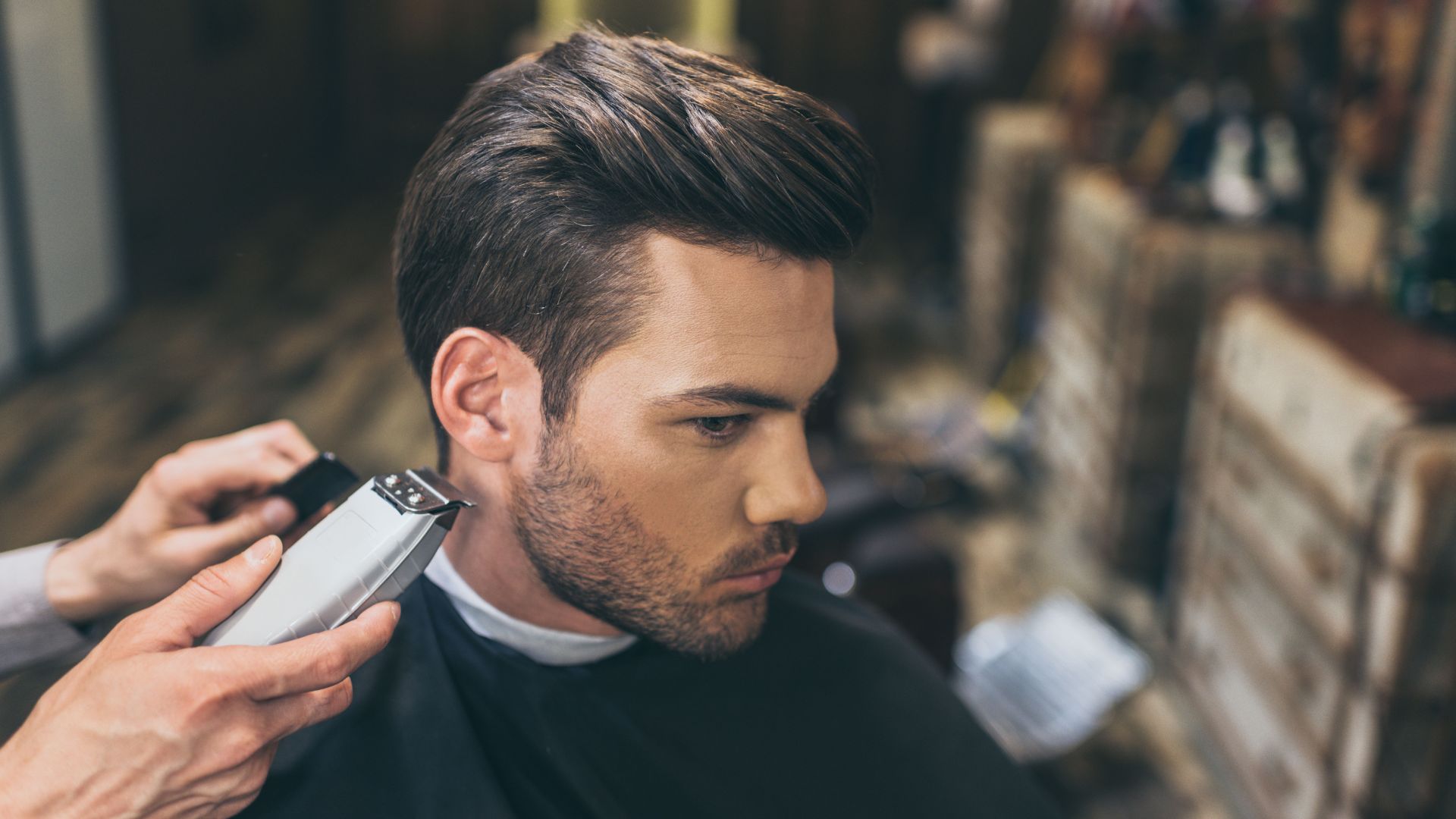
The single most important step in getting a new haircut that suits you is to have a detailed consultation with your barber or stylist before they start cutting. This is your opportunity to discuss your goals, concerns, and lifestyle. A good professional will ask questions, listen to your ideas, and offer their expert opinion. Do not be afraid to bring inspiration photos, but also be open to their feedback. They can see your head from all angles and have the experience to know what is realistic. This pre-cut conversation is a key part of every quality Barbershop Trip.
Be specific in your communication. Instead of saying “just a little shorter,” specify how much length you are comfortable with. Talk about what you like and dislike about your current hair. A top-tier Barber will not just cut your hair; they will design a style for you. They will explain why they are suggesting a certain length or technique and how it will benefit your look. This collaborative process ensures you are both on the same page and dramatically reduces the risk of disappointment. If a stylist immediately starts cutting without a proper chat, it is a major red flag.
9. Think About the Grow-Out Phase
A haircut does not just exist on the day you get it; you have to live with it as it grows. Some hairstyles look great when they are fresh but fall into a very awkward and unmanageable phase within a few weeks. Highly structured or asymmetrical cuts, for example, often require frequent trims to maintain their shape. If you cannot commit to visiting the barber every 3-4 weeks, you might want to choose a style that grows out more gracefully.
Softer, layered cuts and classic tapers tend to grow out better than styles with harsh lines or disconnected sections. A scissor-cut style will often maintain its shape longer than a clipper cut with a skin fade, which can look fuzzy after just a week. Ask your stylist about the maintenance and grow-out process for the cut you are considering. They can tell you how often you will need to come back for a trim and what to expect as it gets longer. Choosing a style with a good “shelf life” ensures you look polished not just on day one, but on day thirty as well.
10. The ‘Tuck and Pin’ Test
For those considering a significant chop, one of the biggest fears is how a shorter style will look around the face. A simple at-home trick can help you visualize it. If you have longer hair and are thinking about a bob or even a shorter pixie-style cut, you can fake it by tucking and pinning your hair. Gather the length of your hair and fold it up underneath, securing it at the nape of your neck with bobby pins. Adjust the front pieces to mimic the length and shape of the cut you are considering.
This method allows you to see how your face looks when framed by shorter hair. It helps you get a feel for having your neck and jawline more exposed. While it will not be a perfect replica, it can give you a gut feeling about whether a shorter length is right for you. You can take photos from different angles to get a better perspective. It is a quick, easy, and completely reversible way to test the waters before you make a decision that cannot be undone as easily.
11. Be Honest About Your Hair’s History
Your hair’s history—including past color treatments, chemical straightening, or perms—can significantly affect how it will respond to a new cut and style. Bleached or color-treated hair is often more porous and prone to damage, which might mean a highly styled look is not a good idea. If your hair has been chemically altered, its texture might not be what you think it is, and cutting it could reveal unexpected frizz or wave patterns.
Be completely transparent with your stylist about everything you have done to your hair in the past few years. This information is crucial for them to predict how your hair will react to the cut and what products will be needed to keep it healthy. Forgetting to mention that you had a keratin treatment six months ago could lead to a very different result than you were expecting. Honesty ensures your stylist has all the facts, allowing them to make the best recommendations for achieving a healthy and flattering new look that you will truly love.
Conclusion
Choosing a new hairstyle that you will love involves more than just pointing to a picture. It is a thoughtful process of self-assessment and professional consultation. By understanding your face shape, working with your natural hair texture, and being realistic about your lifestyle, you can move beyond fear and make an informed decision. These eleven steps provide a clear roadmap to help you analyze your options and communicate effectively with your stylist.
Ultimately, a great haircut should make you feel more confident. Armed with this knowledge, you can walk into your next barber appointment with a clear vision and the assurance that you are choosing a style that is not just trendy, but truly right for you. Take the time to do your homework, and you will be rewarded with a look that enhances your features and fits you perfectly.