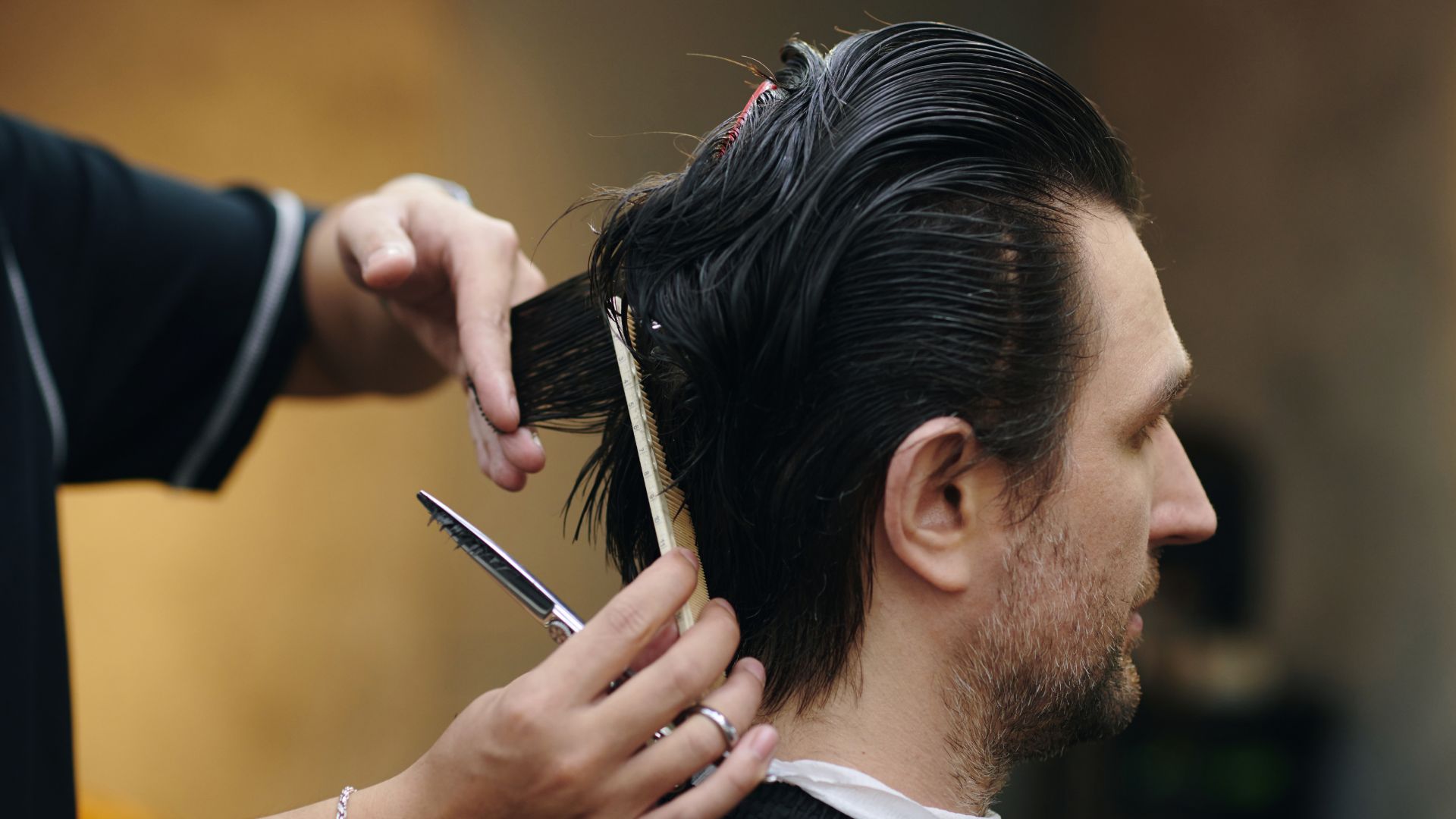
Layering is one of the most versatile techniques in hairdressing, offering the ability to completely transform a haircut without necessarily sacrificing length. It involves cutting the hair at different lengths to create texture, movement, and volume. A well-layered cut can remove bulk from thick hair, add body to fine hair, and frame the face in a way that highlights your best features. For many, the difference between a messy, unmanageable mop and a sophisticated style lies entirely in how the layers are executed. It is the secret weapon for achieving a look that feels both effortless and polished.
Choosing the right layering method depends heavily on your hair type, texture, and face shape. What works for someone with straight, fine strands might look disastrous on someone with thick curls. Understanding the different ways to layer hair allows you to communicate better with your stylist and choose a look that enhances your natural assets. Whether you want a sharp, modern silhouette or a soft, romantic flow, there is a layering technique to match. This guide explores eleven distinct ways to layer your hair, providing the knowledge you need to achieve a refined and stylish look that stands out for all the right reasons.
1. Long, Face-Framing Layers
Long layers are an excellent starting point for anyone who wants to add movement without making a drastic change to their overall length. This technique focuses on cutting the hair around the face shorter than the rest of the hair, usually starting around the chin or collarbone and blending downwards. The result is a cascade of hair that softens the facial features and draws attention to the eyes and cheekbones. It prevents long hair from looking heavy and dragging the face down, which is a common issue with one-length cuts. By removing weight from the front, the hair gains a natural bounce and swing that looks incredibly elegant.
This style is particularly effective for those with straight or slightly wavy hair who want a polished appearance. It is versatile enough to be worn sleek and straight or curled for a more glamorous effect. When styling, a round brush can be used to flick the layers inward or outward, depending on the desired look. Because the layers are long and blended, the grow-out process is very forgiving, meaning you won’t need to rush back to the salon every few weeks. It is a timeless choice that adds sophistication and structure to long hairstyles, making it a favorite for professionals and fashion-forward individuals alike.
2. Texturizing for Movement and Flow
Texturizing is a subtle form of layering that focuses on the ends of the hair rather than creating distinct “steps.” Stylists use techniques like point cutting—cutting vertically into the hair ends—or using thinning shears to remove bulk and create softness. This method is crucial for thick hair that tends to look blocky or triangular. By breaking up the solid lines, the hair sits better and moves more fluidly. It creates a “lived-in” look that is refined but not overly stiff. Finding a skilled professional at a reputable New York Barbershop is essential for this technique, as removing too much weight can make the hair frizzy, while removing too little won’t achieve the desired movement.
The beauty of texturizing is that it can be applied to almost any hair length or style. It allows the hair to be styled with just a bit of product for a natural, effortless finish. Instead of struggling with heavy hair that refuses to hold a shape, texturized layers make the hair more pliable and responsive. It reduces the drying time and makes daily styling much less of a chore. For a refined look, the texturing should be invisible to the untrained eye; the hair should simply look lighter and more dynamic. It is about creating an internal structure that supports the overall shape of the haircut.
3. The Classic Shag Layers
The shag haircut has made a massive comeback, evolving from its 1970s roots into a modern symbol of cool sophistication. This style is defined by heavy, choppy layers throughout the crown and mid-lengths, often paired with a fringe or bangs. The layers are cut shorter on top to create volume and texture, while the lengths are kept piecey and jagged. While it might sound messy, a well-cut shag is incredibly refined in its structure. It is designed to enhance natural texture and provide a rock-and-roll edge that still feels chic.
This layering technique works wonders for adding volume to fine hair or controlling the bulk of thick hair. The key is in the balance; the layers need to be blended enough to avoid looking like a mullet but distinct enough to provide that signature messy-chic vibe. Styling a shag is all about enhancing texture. Sea salt sprays or texturizing mousses are perfect for bringing out the layers. It is a low-maintenance style that looks great even when air-dried. The modern shag is softer and more wearable than its vintage counterpart, making it a perfect choice for someone who wants a haircut with personality and flair.
4. Choppy Layers for Volume
Choppy layers are the answer for anyone looking to add serious volume and definition to their style. Unlike blended layers that transition smoothly, choppy layers are cut more bluntly and at varying lengths to create visible separation. This technique lifts the hair away from the scalp, creating instant body and fullness. It is a bold approach that works exceptionally well for pixie cuts, bobs, and shoulder-length styles. For men and women dealing with limp or flat locks, choppy layers can breathe new life into Short Hair, transforming a boring cut into something dynamic and exciting.
The “choppy” effect adds a youthful and energetic vibe to the hair. It gives the impression of thickness and density, which is a huge benefit for fine hair types. Styling requires a bit of wax or pomade to define the ends and emphasize the jagged texture. The goal is to create a structured messiness that looks intentional. This layering method is perfect for those who enjoy a bit of edge in their appearance. It moves away from the perfectly smooth, helmet-like hair of the past and embraces a more tactile, modern aesthetic. It is a statement look that requires confidence but pays off with a highly stylish result.
5. Graduated Layers (The Stack)
Graduated layers are most commonly associated with bob haircuts, creating a shape that is shorter in the back and gradually gets longer towards the front. This technique involves stacking layers at the nape of the neck to build weight and volume in a specific area. The result is a beautiful, curved silhouette that exposes the neck and creates a sharp, angled profile. This is a highly technical cut that requires precision. When done correctly, the hair falls perfectly into place with minimal styling, looking incredibly polished and professional.
This type of layering is ideal for adding structure to the hair. It can make fine hair look much thicker and gives heavy hair a pleasing shape. The angle of the graduation can be adjusted to be subtle or dramatic, depending on preference. It is a fantastic option for a refined, business-appropriate look that still feels fashionable. Regular trims are necessary to maintain the sharp lines and prevent the back from becoming too heavy. Graduated layers offer a clean, architectural look that frames the jawline beautifully, making it a flattering choice for many face shapes.
6. Internal Layering (Ghost Layers)
Internal layering, sometimes referred to as “ghost layers,” is a technique used to remove bulk and add movement without changing the visible length or the outer perimeter of the haircut. The stylist lifts the top section of the hair and cuts layers into the sections underneath. When the top hair falls back down, it covers the shorter layers, creating a smooth, seamless surface. This is a brilliant solution for Men with Wavy Hair or anyone with thick, unruly textures who want to reduce volume without creating a choppy, stepped look.
This method allows the hair to collapse into a flatter, more manageable shape. It prevents the dreaded “triangle head” effect where thick hair puffs out at the bottom. Because the layers are hidden, the hair retains a sleek appearance while benefiting from the reduced weight. It moves more freely and is easier to style. Internal layering is perfect for those who prefer a minimalist aesthetic. It provides the benefits of layers—movement, lightness, and manageability—without the visual disruption of shorter pieces on the surface. It is a subtle, sophisticated way to refine a haircut from the inside out.
7. The V-Shape Cut
The V-shape cut is a layering technique specifically for long hair that creates a dramatic point at the back. The layers are cut at an angle, starting shorter at the front and sides and meeting at the longest point in the center of the back. This creates a cascading effect that looks stunning when the hair is worn down. It removes a significant amount of weight from the sides, allowing the hair to flow beautifully down the back. This style is often seen on models and celebrities because it looks fantastic from behind and adds a lot of dimension to the hair.
This technique is excellent for thick, long hair that can feel heavy and lifeless. The angled layers encourage the hair to curl or wave naturally at the ends. It also looks beautiful when straightened, emphasizing the sharp “V” silhouette. While it sacrifices some thickness at the ends, the tradeoff is increased movement and a more interesting shape. It frames the shoulders nicely and draws the eye down the length of the hair. The V-shape layer is a glamorous option that adds a touch of high-fashion elegance to everyday long hair.
8. Soft, Wispy Layers
Soft, wispy layers are all about delicacy and feathering. This technique involves cutting thin, fine layers throughout the hair to create a light, airy texture. It is the opposite of blunt, heavy cuts. Wispy layers are often used around the face, in fringes, or at the ends of the hair to soften harsh lines. This style creates a romantic, ethereal look that is very flattering. It works particularly well for straight or fine hair that needs a bit of lift but cannot handle heavy chopping. A skilled New York Barber or stylist will use a razor or slide-cutting technique to achieve these tapered, feather-light ends.
The main advantage of wispy layers is their ability to blend seamlessly. There are no hard stops or starts; the hair just seems to float. This makes the grow-out phase painless, as there are no distinct lines to maintain. It creates a gentle halo effect around the face, softening angular features like strong jawlines or high cheekbones. Styling is usually minimal, often requiring just a light blow-dry or air-drying to enhance the natural fluffiness. For a refined look that feels gentle and approachable, wispy layers are a perfect choice.
9. Square Layers for Masculine Shapes
Square layering is a fundamental technique often used in shorter, more masculine haircuts. The goal is to create a square silhouette that emphasizes strength and structure. The hair is pulled out at a 90-degree angle from the head and cut to create corners, rather than following the round curve of the head shape. This leaves more weight in the corners, which creates a flatter, squarer appearance on top and sides. This is essential for classic men’s cuts, pompadours, and crop tops, as it prevents the hair from looking too round or feminine.
This technique adds masculinity to a haircut by enhancing the jawline and head shape. It is highly refined and tailored. Square layers allow for versatility in styling; the hair can be pushed back, parted to the side, or textured forward. It works on a variety of hair types but is particularly effective for straight to wavy hair. The structured nature of the cut means it holds its shape well throughout the day. For anyone seeking a sharp, traditional look that exudes confidence and grooming, square layering is the go-to method.
10. Disconnected Layers
Disconnected layers involve cutting two distinct sections of hair that do not blend into each other. For example, the sides and back might be cut very short or shaved, while the top is left significantly longer. There is no gradual fade or transition between the lengths; the change is abrupt and intentional. This creates a high-contrast look that is bold, modern, and very stylish. It is the foundation of the popular “undercut” style. The disconnection allows the long hair on top to move freely and independently from the short sides, creating a dynamic effect.
This style is incredibly versatile despite its dramatic nature. The long top can be slicked back for a formal, refined appearance or messed up for a casual, edgy vibe. It removes bulk from the sides, making the face look slimmer and more defined. It is a popular choice because it is both practical—keeping the sides neat and tidy—and fashionable. While it requires regular maintenance to keep the short sections crisp, the impact of the style is worth the effort. Disconnected layers are for those who want to make a statement with their hair while maintaining a polished edge.
11. Razor Cut Layers
Razor cutting is a technique where a straight razor is used instead of scissors to slice through the hair. This creates ends that are tapered to a fine point rather than blunt. Razor layers are incredibly soft and pliable, removing weight and adding significant texture. This method is fantastic for creating a messy, bedhead look that still has structure. It encourages natural wave and curl patterns to emerge, making it ideal for those who want a wash-and-wear style. The razor slices through the hair at an angle, creating movement that scissors simply cannot replicate.
However, razor cutting requires a high level of skill. If done incorrectly, it can make the hair frizzy or damage the ends. It is generally best suited for medium to thick hair that is healthy. The result is a deconstructed, effortless look that is very refined in its own way. It avoids the “freshly cut” appearance, settling immediately into a soft, lived-in style. Razor layers reduce heaviness and allow the hair to swing and move naturally. For a look that is modern, textured, and full of life, razor layering is a superior choice.
Conclusion
Layering is not a one-size-fits-all solution; it is an art form that can be tailored to suit every individual’s unique needs and aesthetic. From the sharp precision of square layers to the soft romance of wispy ends, the right technique can elevate a simple haircut into a refined style statement. By understanding these eleven different ways to layer hair, you can have a more informed conversation with your stylist and choose a look that truly enhances your features and lifestyle.
Whether you are looking to tame unruly volume, add body to fine strands, or simply update your look with something modern, layers provide the versatility to achieve your goals. Remember that the key to a refined look is not just the cut itself, but how well it is maintained and styled. Embrace the texture and movement that layers provide, and enjoy the confidence that comes with a perfectly structured, sophisticated hairstyle.