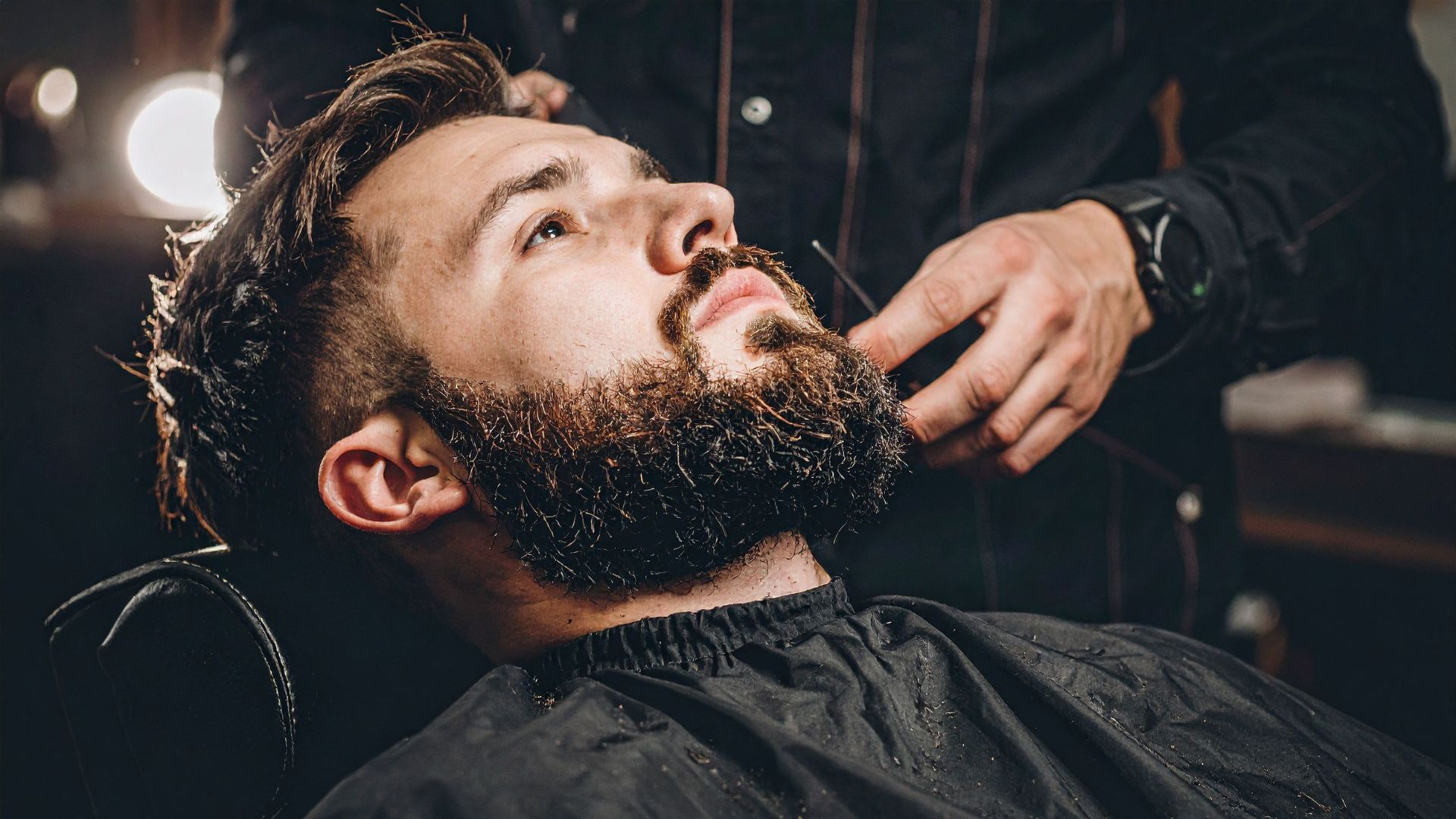
Growing a beard is a journey filled with pride, but it also comes with its fair share of challenges. Many men experience common problems that can make the process frustrating. This guide addresses the twelve most frequent beard issues and provides simple, effective solutions to help maintain a healthy and great-looking beard.
Problem 1: Beard Itch
The dreaded beard itch is often one of the first hurdles faced by those growing a beard. This frustrating sensation is usually caused by a combination of factors, such as dry skin beneath the beard and the sharp, coarse ends of newly grown hairs curling back and irritating the skin. Fortunately, there are effective steps you can take to address and eliminate beard itch.
The solution involves a two-step approach consisting of hydrating the skin and softening the hairs. Start by washing your beard regularly with a gentle, beard-specific shampoo. Ordinary shampoos used for the scalp can strip the skin and hair of natural oils, exacerbating dryness and itchiness. After cleansing, follow up with a beard conditioner to lock in moisture and promote softness.
Hydration is the key to managing beard itch, and this is where beard oil becomes indispensable. Apply a few drops of beard oil daily, ensuring it is massaged into the skin beneath the beard as well as spread evenly through the facial hair. The oil not only moisturizes the skin but also softens the beard hairs, making them less likely to irritate. When used consistently, beard oil reduces flakiness, soothes the itch, and improves the overall appearance of your beard. Additionally, brushing your beard with a boar bristle brush can help evenly distribute natural oils across the beard, further reducing irritation and dryness.
Problem 2: Beard Dandruff (Beardruff)
Those stubborn white flakes on your shoulders don’t just result from scalp issues—they can also be a byproduct of growing a beard, commonly referred to as “beardruff.” Beard dandruff occurs when the skin under your beard becomes excessively dry and begins to flake. While it may seem like a trivial problem, beardruff can be embarrassing and detract from your beard’s appearance. Thankfully, it’s a manageable issue with the right care routine.
The root cause of beardruff is often a lack of moisture. To combat it, keeping the skin hydrated is essential. Start by using a beard shampoo designed to clean the beard and protect the skin’s natural moisture barrier. For additional care, exfoliating the skin once or twice a week with a beard scrub is highly effective. Exfoliating removes dead skin cells that can build up and form flakes, while also promoting healthier, smoother skin beneath the beard.
Moisturizing is, again, the ultimate solution. After cleansing or exfoliating, apply a high-quality beard oil. Focus on massaging the oil into the skin beneath the beard to ensure deep hydration—don’t just coat the hairs. This practice prevents dryness and adds a subtle sheen to the beard, giving it a well-groomed, polished look. For those maintaining a fuller, longer beard, opting for regular trims at a professional barbershop, such as a Beard Trim in New York, can also help manage beardruff by ensuring a neat length and preventing unruly ends. Consistency in your care routine will keep the flakes at bay and leave your beard healthy, flake-free, and attractive.
Problem 3: Patchy Growth
Not every beard grows in full and thick from the start, and this is a common concern for many individuals embarking on their beard-growing journey. Genetics play a significant role in determining how and where your facial hair develops. For some, the process is gradual, requiring patience and perseverance. Often, patchy areas can begin to fill in over the course of several weeks to months of uninterrupted growth. It’s essential to resist the temptation to trim or shape the beard too early in its growth cycle, as this can hinder progress and exacerbate the appearance of patchiness.
Instead, focus on maintaining a clean and intentional look. Keeping the beard neatly lined up on the cheeks and neck creates an impression of purposeful styling, even if patches are still visible. If you notice the patchy areas persist after an extended growth period, consider adapting your beard style to suit your natural growth pattern. A shorter and well-maintained beard can highlight the areas where hair grows thickest, while minimizing the appearance of thin spots. Consulting a professional barber for tailored advice can also help you find the most flattering shape and style for your facial hair. Remember, patchy growth is not a failure—it’s simply a part of the process for many, and with time and care, the beard you envision can take shape.
Problem 4: Razor Bumps and Ingrown Hairs
Razor bumps and ingrown hairs are among the most frustrating challenges for those maintaining clean, sharp beard lines. These issues arise when hairs curl back into the skin or fail to emerge properly, causing irritation, redness, and sometimes painful bumps. Prevention begins with proper shaving techniques and a commitment to healthy skin care practices.
Using a sharp, clean razor is paramount. Dull blades can tug on the hair and irritate the skin, increasing the chances of razor bumps. Equally important is shaving in the direction of hair growth, rather than against it. Shaving against the grain may give a closer shave but often at the cost of severe skin irritation and a higher risk of ingrown hairs. Applying a high-quality pre-shave oil before shaving softens both the skin and beard hair, creating a protective barrier that allows the razor to glide smoothly over the skin.
Post-shave care is just as critical. Be sure to moisturize the skin with a gentle, alcohol-free aftershave or a soothing balm designed to calm irritation. Exfoliating the skin a few times weekly can also help prevent ingrown hairs by loosening dead skin cells and freeing trapped hairs. Incorporating these small changes into your routine can dramatically reduce the occurrence of razor bumps, leaving your skin smoother and healthier.
Problem 5: Dry and Brittle Beard Hair
A dry and brittle beard is a sign that your facial hair isn’t receiving the moisture it needs to stay healthy. Unlike the hair on your scalp, your beard doesn’t benefit from natural oil production. Therefore, its care requires adding external hydration regularly. Without this, beard hair can become rough, wiry, and prone to breakage.
The foundation of proper hydration is regular use of beard oil, which conditions the hair and offers much-needed nourishment. Apply a few drops of beard oil after washing your face or showering, while the skin and hair are still slightly damp. This allows the oil to lock in moisture and provide all-day hydration. For even longer-lasting moisture, follow up with a beard balm. Balms are enriched with butters and waxes, which not only offer hydration but also help tame unruly hairs and provide a subtle hold for styling.
Another important practice is avoiding overly harsh shampoos or soaps, which can strip away necessary oils and worsen dryness. Opt for a beard wash specifically formulated for facial hair. These gentle cleansers are designed to clean the beard without causing dryness. Regular trimming is also essential for maintaining softness, as split ends or damaged hair can contribute to the brittle texture. With consistent care and attention, your beard can transform into a soft, well-nourished, and healthy-looking highlight of your appearance.
Problem 6: The Beard Making You Look Older
While a well-groomed beard can project an air of sophistication and masculinity, an unkempt or overly scraggly beard can unintentionally age your appearance. The key is to strike a balance between ruggedness and refinement to maintain a youthful look and polished look. Overgrown beards often lack structure, which can make the face appear less defined and older. To combat this, regular grooming is essential—this includes trimming to an appropriate length and shaping the beard to create clean, sharp lines that frame the face.
When tackling this issue, consistency is crucial. A neat and intentional beard style not only enhances your features but also harmonizes with a modern haircut to create a cohesive aesthetic. For example, keeping the beard edges crisp along the cheekbones and neckline helps establish a well-maintained appearance. It’s also beneficial to consider the length of your beard, as excessively long facial hair can droop and create the illusion of sagging skin or shadows, which may add extra years to your face.
Use tools such as clippers, scissors, or a razor to maintain a clean, sharp outline. Pairing your beard with regular skincare, like exfoliating dead skin cells beneath the hair and moisturizing to keep the skin hydrated, also prevents the beard from appearing dull and lifeless. Finally, remember that great grooming decisions are more impactful when complemented by your clothing choices and overall attitude. A sharp beard can reinvigorate your image, proving that small efforts in personal care can go a long way in enhancing both youthfulness and confidence.
Problem 7: Slow Beard Growth
For individuals looking to cultivate a fuller, thicker beard, the slow pace of growth can be a frustrating hurdle to overcome. However, understanding the physiological factors behind beard growth is the first step toward encouraging healthier development. Genetics play a significant role in how quickly your facial hair grows and the density it achieves, but lifestyle and grooming habits can make a considerable difference in the process.
One of the most effective ways to support beard growth is by adopting a nutrient-rich diet. Foods high in protein, such as lean meats, eggs, beans, and nuts, provide building blocks for hair follicles. Vitamins and minerals like Biotin, vitamin D, zinc, and iron are also indispensable for encouraging robust and steady hair growth. Incorporating supplements as needed, with a focus on essential nutrients, can further enhance results for those who struggle to meet dietary requirements through food alone.
Additionally, promoting blood circulation to the face is vital for nourishing hair follicles and stimulating growth. Facial massages with natural oils like jojoba or argan can help, as can brushing your beard with a boar bristle brush to evenly distribute oils and exfoliate the skin. These habits not only encourage faster growth but contribute to overall beard health.
Patience is another crucial component of overcoming slow beard growth. It’s important to refrain from shaping or trimming your beard during the initial growth stage of at least 4-6 weeks. Allowing your beard to grow uninterrupted during this time gives you a clearer picture of its natural density and shape. Temporary patchy or uneven growth is normal, but with perseverance and care, you’ll find it easier to develop a fuller beard over time.
Problem 8: Trouble Shaping the Beard
Achieving the perfect beard shape can feel intimidating, especially for those unfamiliar with the tools and techniques required. The process involves tailoring the beard to complement your unique face shape while creating symmetry and definition. For individuals finding it challenging to get this balance right, seeking assistance from a professional barber is a smart solution.
Visiting a skilled barber at a reputable Barbershop in New York or in your local area ensures that your beard shape is expertly defined. Barbers have extensive experience in understanding how different beard styles work with various face shapes, whether oval, round, square, or angular. During your visit, they can establish a precise neckline and cheek line, provide recommendations for beard styles that best accentuate your features, and give advice on ongoing maintenance. These subtle refinements can make a dramatic difference in the overall impact of your beard on your appearance.
For at-home maintenance, it’s essential to invest in high-quality tools. A reliable trimmer with multiple guard lengths allows for controlled trimming, while a fine-toothed comb or detailer can assist in straightening the beard and refining even the smallest areas. Mirrors with magnification can also help ensure accuracy while grooming difficult angles, such as under the chin or around the jawline.
The key to shaping lies in maintaining symmetry and proportion. Start by developing a routine of combing your beard downward to ensure all hairs lie flat. Then, carefully trim stray or uneven hairs and progressively define the edges of your neckline and cheek line to maintain balance. Remember that subtle adjustments over time are preferable to drastic changes; this gradual approach allows you to refine your technique and avoid mistakes.
Ultimately, it’s about patience and finding a style that resonates with your personality and physique. A well-shaped beard not only highlights facial contours but also showcases your attention to detail, helping to elevate your look into a signature style.
Problem 9: Beard Tangles and Knots
Longer beards often come with the challenge of tangles and knots, which can form easily due to friction, such as during sleep, or exposure to wind and elements. These tangles, if handled carelessly, can lead to breakage, split ends, or even excessive hair loss. One common mistake is aggressively combing through a tangled beard when it is completely dry. Dry beards tend to be brittle, and applying force can damage the hair shaft.
To address this issue, it’s essential to approach tangles with care and the right tools. Start by ensuring the beard is either damp or has been softened with beard oil. A damp beard is more pliable and less prone to breaking under tension. Avoid combing a beard that’s soaking wet, as the hair can be overly elastic at that stage and prone to snapping. For the detangling process, always use a wide-tooth wooden comb, as it slides through the beard more gently without creating static or excessive friction. Wooden combs, unlike plastic, align with the structure of the hair and reduce pulling or snagging when encountering knots.
Alternatively, a high-quality boar bristle brush can be used, particularly on shorter beards, to gently work through minor tangles while redistributing natural oils from the roots to the ends. This redistribution not only prevents tangles but also promotes stronger, healthier growth. Incorporating a beard conditioner or leave-in treatment can further soften stubborn knots and make the beard more manageable. Regular maintenance is key—combing or brushing your beard daily, even if it doesn’t appear tangled, helps prevent knots from forming in the first place, preserving your beard’s overall health and appearance.
Problem 10: Unruly Flyaways
Flyaway hairs can be a frustrating aspect of beard maintenance, as they disrupt the clean, polished look many strive to achieve. These stray hairs often grow in different directions and tend to stick out, especially as your beard becomes longer or during particularly humid weather. While the issue might seem minor, flyaways can make a beard appear untidy and harder to manage.
Controlling flyaways begins with proper hydration and conditioning. If your beard is dry, flyaway hairs are more likely to occur due to a lack of moisture causing the strands to become stiff and unruly. Regular use of beard oil is essential for keeping the hairs smooth, nourished, and pliable. Once the hair is well-hydrated, you can introduce beard balm into your routine. Beard balm provides a combination of moisture and light hold, which can help tame mildly stubborn flyaways while maintaining a natural, flexible finish.
For more problematic flyaways that resist both oil and balm, beard wax is the ultimate solution. Beard waxes typically offer a strong hold, allowing you to train your beard hairs to lie in the desired direction. To apply, scoop a small amount of wax onto your fingers and warm it by rubbing it between your palms until it becomes pliable. Then, carefully work the wax through the affected areas, shaping the beard as needed. Over time, regular use of wax, combined with brushing, can train unruly hairs to conform to the natural growth pattern of your beard. Maintaining this routine ensures that the flyaways are controlled, giving your beard a well-groomed and sharp appearance.
Problem 11: Skin Irritation Under the Beard
The skin under your beard plays a crucial role in the overall health and appearance of your facial hair. However, it is not uncommon for men to experience irritation, redness, itchiness, or even acne under their beards. These issues are often caused by clogged pores resulting from product buildup, sweat, dead skin cells, or bacteria, which can accumulate if the beard isn’t cared for properly.
Addressing skin irritation starts with establishing a proper washing routine. It’s important to use a gentle beard shampoo or cleanser specifically designed for beards, as these products cleanse without stripping the natural oils your skin and hair need. Washing two to three times per week is ideal; over-washing can strip the beard and the skin beneath of their natural moisture, leading to dryness and flakiness. Additionally, when washing your beard, focus on massaging the skin under the hair to ensure you’re removing buildup and stimulating blood flow.
Always rinse thoroughly after washing to remove any residual product, as leftover shampoo or cleansing agents can further clog pores or cause dryness. After cleansing, apply a beard oil that is non-comedogenic, meaning it won’t clog pores or contribute to acne. Non-comedogenic oils, such as argan or jojoba oil, hydrate both the skin and beard while maintaining a healthy balance.
Exfoliating once a week can also help to remove dead skin cells, preventing irritation and acne. You can use a soft-bristle beard brush or an exfoliating glove specifically designed for beards to gently work on the skin underneath. Finally, avoid touching your beard excessively throughout the day, as your hands can transfer dirt and bacteria to the skin beneath. By maintaining this routine, you can ensure that the skin under your beard remains clean, healthy, and irritation-free.
Problem 12: Food and Drink Getting Stuck
This is a practical and often embarrassing problem for those with longer beards. Whether it’s breadcrumbs from a sandwich, drips of sauce, or even a bit of coffee foam, food and drink can easily get trapped in the hairs of your beard. While this is a common issue, there are plenty of strategies to manage it and keep your beard looking clean and tidy throughout the day.
The first and most effective solution is prevention. Being mindful while eating and drinking is key. Simple adjustments, like taking smaller bites or carefully sipping your coffee, can go a long way in reducing the chances of any food or liquid ending up where it doesn’t belong. If possible, use utensils for more control during meals rather than relying solely on your hands.
Additionally, having a napkin or paper towel readily available can be a lifesaver. Use it frequently to wipe the area around your mouth, especially after taking a bite of food or a sip of a drink. This habit not only helps keep your beard clean but also reduces the likelihood of sticky substances hardening into the hairs, which can be challenging to remove later.
Carrying a small beard comb or brush is another practical approach to staying on top of this issue. After finishing a meal, a quick comb-through can help remove any crumbs, residue, or stray food particles that might be trapped. Comb carefully and pay particular attention to the areas below the lip and chin, as these are often the most affected spots.
For those who want to be extra prepared, you might consider investing in beard wipes or beard-safe cleansing cloths. These are specially formulated to gently clean both your facial hair and the skin underneath, offering a quick and convenient way to freshen up after a messy meal.
Lastly, consider the impact of proper grooming on this issue. Trimming your beard to maintain a neat and manageable length can help reduce the surface area where food and drink might collect. A well-maintained, evenly shaped beard often makes cleaning much easier and less time-consuming.
By practicing these habits and keeping essential tools on hand, you can avoid the discomfort and embarrassment of food or drink getting stuck in your beard. This not only ensures your beard continues to look its best but also promotes good hygiene and confidence in your daily interactions.
Conclusion
Navigating the challenges of beard growth is part of the experience. With the right knowledge and a consistent grooming routine, most common beard problems have straightforward solutions. From tackling itchiness to managing shape, each issue can be overcome with a little patience and the correct products, leading to a healthier, more comfortable, and better-looking beard.