Growing a beard is a journey that many embark on, but achieving a thick, healthy, and full beard requires more than just letting facial hair grow. It is a process that involves patience, proper care, and an understanding of what helps hair follicles thrive. Many factors influence beard growth, including genetics, diet, and daily grooming habits. For those struggling with patchy growth or brittle hair, the right techniques can make a significant difference, transforming a frustrating experience into a rewarding one.
This guide provides twelve expert tips designed to help cultivate a healthier and fuller beard. From the foundational steps of proper nutrition and skin care to the advanced techniques of styling and maintenance, these insights cover the full spectrum of beard care. Following this advice will not only improve the appearance of the beard but also support the underlying health of the skin and hair. By adopting a consistent and informed routine, anyone can maximize their beard’s potential and wear their facial hair with confidence.
1. Be Patient and Resist the Urge to Trim
One of the most common hurdles in the beard-growing journey is the initial awkward phase. During the first month, growth can appear patchy, uneven, and feel incredibly itchy. This is the stage where many give up, assuming they are incapable of growing a full beard. However, patience is the single most important tool. It takes at least four to six weeks for the beard to start filling in and revealing its true potential. During this time, it is crucial to resist the urge to trim or shape it. Any attempt to “clean it up” too early can undo progress and create uneven lines that are difficult to correct later.
The itchiness experienced is a normal part of the process. As the sharp-edged hairs grow out from the skin, they can cause irritation. This discomfort typically subsides after a few weeks as the hairs soften. Letting the beard grow untouched for at least a month provides a solid foundation. It allows slower-growing follicles to catch up and gives a clear picture of the natural growth pattern. Only after this initial period should any shaping or trimming be considered. Embracing this uncomfortable stage is the first step toward achieving a truly impressive beard.
2. Master the Art of Washing Your Beard
Just like the hair on the head, a beard needs to be washed regularly to stay clean and healthy. However, using regular head shampoo on facial hair is a mistake. Scalp shampoos are designed to strip away heavy oils, which can be far too harsh for the sensitive skin on the face. Using them can lead to dryness, flakiness (beardruff), and brittle hair. Instead, it is essential to invest in a dedicated beard wash. These products are formulated with gentler cleansers and nourishing ingredients that clean the beard without stripping away its natural oils. Washing the beard two to three times a week is generally sufficient for most people.
Proper washing technique is also important. Use lukewarm water to wet the beard, then work a small amount of beard wash into a lather, making sure to massage it down to the skin. This helps remove dead skin cells and product buildup that can clog pores and hinder growth. For those seeking professional advice on products and techniques, a visit to a high-end New York Barbershop can provide personalized recommendations. After rinsing thoroughly, gently pat the beard dry with a towel instead of rubbing it vigorously, as wet hair is more susceptible to breakage.
3. Hydrate and Nourish with Beard Oil
Beard oil is arguably the most essential product in any beard care arsenal. It serves two primary functions: moisturizing the facial hair and nourishing the skin beneath it. A healthy beard starts with healthy skin. When the skin under the beard becomes dry, it can lead to itching, flaking, and irritation, which can impede healthy hair growth. Beard oil mimics the natural sebum produced by the skin, keeping both the skin and the hair follicles hydrated and in optimal condition for growth. Applying it daily helps to create a better environment for hair to thrive.
The best time to apply beard oil is right after a shower when the pores are open and the beard is slightly damp. This allows for maximum absorption. Place a few drops into the palm, rub the hands together to warm the oil, and then massage it thoroughly into the beard, ensuring it reaches the skin underneath. The oil not only conditions the hair, making it softer and more manageable, but it also gives the beard a healthy sheen. Consistent use of beard oil can dramatically reduce itchiness, eliminate beardruff, and promote a fuller, more lustrous appearance over time.
4. Exfoliate the Skin Beneath Your Beard
Healthy hair growth is directly linked to the condition of the skin from which it grows. Over time, dead skin cells, dirt, and oil can accumulate at the base of the hair follicles, clogging pores and potentially inhibiting growth. Exfoliation is the process of removing this buildup, and it is a critical step that is often overlooked. By regularly exfoliating the skin under the beard, one can prevent ingrown hairs, reduce flakiness, and create a cleaner, healthier environment for follicles to function properly. This simple practice can stimulate circulation to the area, which also supports better hair growth.
There are two main ways to exfoliate. The first is to use a gentle facial scrub designed for sensitive skin once or twice a week, carefully working it through the beard to the skin. The second, and perhaps more effective method for beards, is to use a boar bristle brush. Brushing a dry beard daily not only helps to train the hairs to grow in a certain direction but also acts as a natural exfoliator, gently lifting away dead skin cells without the need for harsh chemicals. Avoiding common Grooming Mistakes like over-exfoliating or using harsh products is key; the goal is to support the skin, not irritate it.
5. Improve Your Diet for Better Growth
Beard growth is an internal process before it is an external one. The quality of a beard is a direct reflection of overall health, and nutrition plays a massive role. A balanced diet rich in specific vitamins and minerals is essential for producing strong, healthy hair. Protein is the building block of hair, so ensuring adequate intake of lean meats, fish, eggs, and legumes is fundamental. Additionally, certain vitamins are particularly important for hair health. Biotin (Vitamin B7) is famous for its role in hair production, and it can be found in nuts, whole grains, and egg yolks.
Vitamins A and D are also crucial, as they help with sebum production and the creation of new hair follicles, respectively. Sources include carrots, sweet potatoes, and fatty fish. Zinc is another key mineral that aids in hair tissue growth and repair; a deficiency can lead to hair loss. Oysters, beef, and pumpkin seeds are excellent sources of zinc. Staying hydrated by drinking plenty of water is equally important, as it helps transport these vital nutrients throughout the body. A nutrient-dense diet will not just improve the beard but also contribute to better skin, energy, and overall well-being.
6. Brush and Comb Your Beard Daily
Regularly brushing and combing a beard does more than just detangle it. This daily ritual is a vital part of training the hairs to grow in the desired direction, which helps the beard appear neater and fuller. Using a high-quality boar bristle brush is particularly effective. The stiff bristles help to distribute natural oils (sebum) and applied beard oil evenly from the roots to the tips of the hair strands. This natural conditioning process keeps the hair moisturized, reduces frizz, and promotes a healthy shine. It also gently exfoliates the skin underneath, as mentioned earlier.
When the beard gets longer, a wooden beard comb becomes essential for detangling knots without causing static or pulling out hairs, which plastic combs often do. Combing helps in styling the beard and identifying any uneven areas that may need attention during a trim. For those interested in exploring different Beard Styles, daily combing and brushing are foundational practices that make shaping and maintaining a specific look much easier. This simple habit, performed for just a few minutes each day, can significantly improve the texture, health, and overall manageability of any beard.
7. Use Beard Balm for Styling and Conditioning
As a beard grows longer, it often requires more than just oil to keep it in check. Beard balm is a styling pomade that offers both conditioning benefits and a light hold. It is thicker than beard oil because it contains butters like shea or cocoa butter and waxes like beeswax. These ingredients provide the necessary weight to tame flyaway hairs and help shape the beard into a desired style, making it look denser and more uniform. For individuals with unruly or curly beard hair, balm is a game-changer for achieving a polished and well-groomed appearance throughout the day.
Like beard oil, balm is also highly beneficial for the hair and skin. The butters and oils in the formula provide deep conditioning, locking in moisture to prevent the hair from becoming dry and brittle. This added hydration makes the beard feel softer and healthier. To apply, scrape a small amount of balm with the back of a thumbnail, warm it between the palms until it melts, and then work it through the beard. It is best to start from the neck and work upwards against the grain to ensure full coverage, then smooth it down and style as desired.
8. Get Regular, Professional Trims
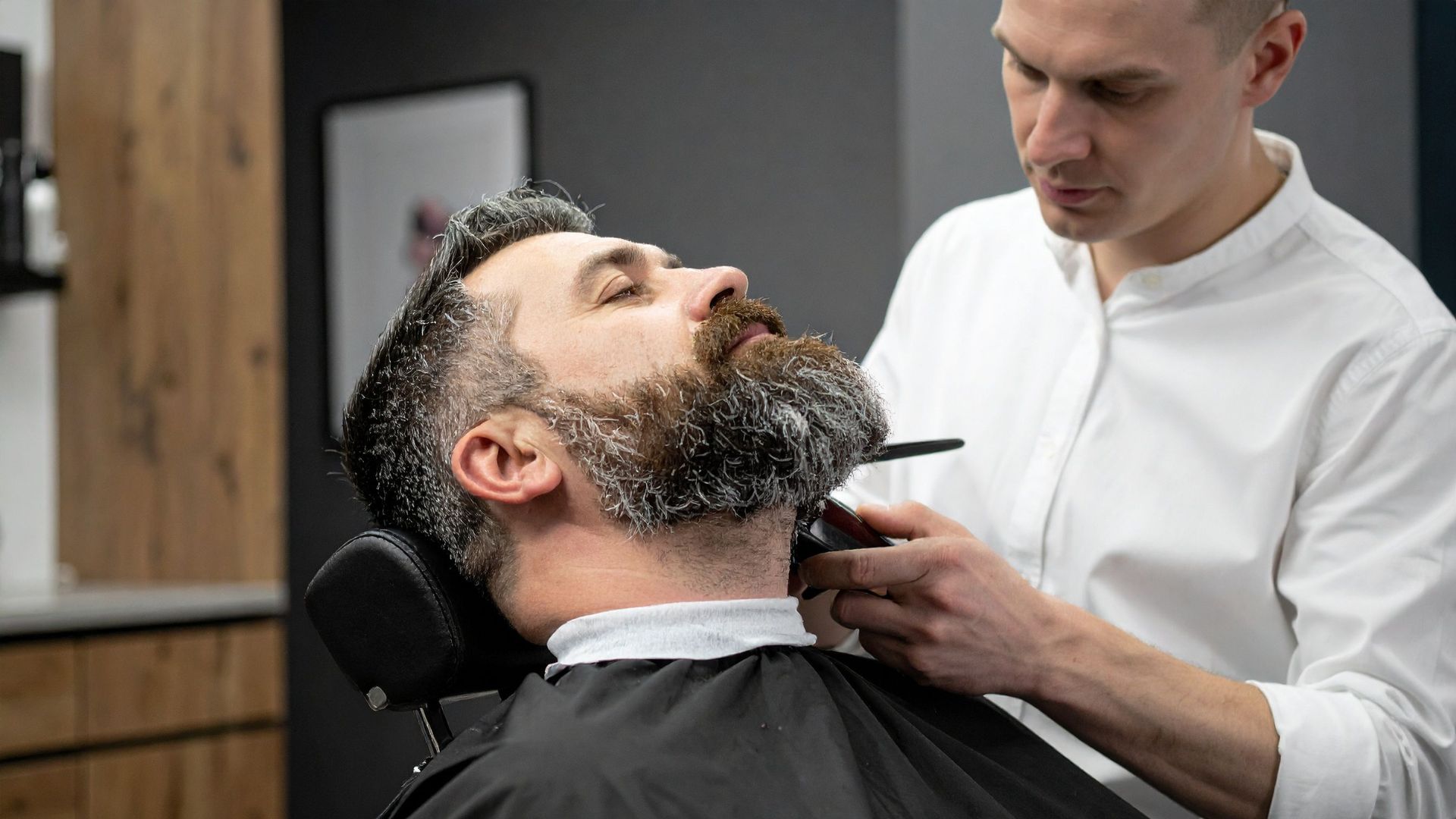
While resisting the urge to trim is vital in the beginning, regular trims become essential for maintaining a healthy and well-shaped beard once it has grown out. Trimming helps to remove split ends, which, if left unattended, can travel up the hair shaft and cause further damage, making the beard look frizzy and unhealthy. A proper trim also helps to define the shape of the beard, creating clean lines along the cheeks and neck that contribute to a sharp, intentional look. This maintenance prevents the beard from appearing neglected and unkempt.
While it is possible to learn to trim at home, there is no substitute for the precision of a skilled professional. A visit to an experienced New York Barber can make all the difference, especially when establishing the initial shape. A professional has the tools and expertise to assess facial structure and recommend a style that is most flattering. They can create a solid foundation that can then be more easily maintained at home between visits. Scheduling a professional trim every 4-6 weeks is a good rule of thumb for keeping a beard in its best possible condition.
9. Boost Growth Through Exercise
Regular physical activity is a powerful, natural way to support healthy beard growth. Exercise, particularly cardiovascular workouts like running, swimming, or cycling, improves blood circulation throughout the body. Enhanced blood flow means that more oxygen and nutrient-rich blood can reach the hair follicles on the face. This increased delivery of essential vitamins and minerals provides the follicles with the fuel they need to produce hair more efficiently and effectively. Better circulation can awaken dormant follicles and contribute to a thicker, fuller beard over time.
Exercise also helps to balance hormones, which are a key driver of beard growth. Testosterone, in particular, is directly linked to the development of secondary male characteristics, including facial hair. Strength training and high-intensity interval training (HIIT) have been shown to temporarily boost testosterone levels. Furthermore, regular physical activity is a proven stress reducer. Since high levels of the stress hormone cortisol can negatively impact and even halt hair growth, managing stress through exercise creates a more favorable internal environment for a healthy beard to flourish.
10. Prioritize Sleep for Repair and Growth
Sleep is not a passive state; it is a critical period of repair and regeneration for the entire body, including the hair follicles. During deep sleep, the body’s cells work to repair damage, and growth hormones are released, which are essential for cell reproduction. This process directly impacts the hair growth cycle. Chronic sleep deprivation can disrupt hormone levels, increase stress, and impair the body’s ability to absorb nutrients, all of which can lead to weaker hair and slower growth. Aiming for 7-9 hours of quality sleep per night is one of the most effective things to do for beard health.
A lack of sleep raises cortisol levels, the primary stress hormone. Elevated cortisol has been linked to hair loss conditions, and it can certainly hinder the quest for a fuller beard. When the body is well-rested, it can more efficiently carry out the complex biological processes required to build strong hair strands. Making sleep a priority is as important as any topical treatment or grooming product. It is the foundation upon which all other efforts are built, ensuring the body has the resources and energy to grow the best beard it can.
11. Protect Your Beard from the Elements
Just as skin needs protection from the sun and harsh weather, so does a beard. Environmental factors can take a toll on facial hair, leaving it dry, brittle, and damaged. Overexposure to the sun’s UV rays can degrade the protein structure of the hair, causing it to become weak and discolored. In the winter, cold air and wind can strip moisture from the beard, leading to dryness and breakage. Being mindful of these environmental stressors is key to preserving the health and appearance of the facial hair.
To protect the beard, consider using products that contain ingredients with natural sun-blocking properties. On extremely cold or windy days, pulling a scarf or gaiter up over the beard can provide a physical barrier against the harsh conditions. It is also important to replenish any lost moisture. Using a hydrating beard oil or balm before heading outside can create a protective layer. After exposure to harsh elements, like swimming in chlorinated or salt water, it is crucial to wash and condition the beard promptly to remove damaging residues and restore hydration.
12. Stay Hydrated from the Inside Out
Water is essential for nearly every bodily function, and hair growth is no exception. Dehydration can immediately halt the growth of hair. The cells responsible for building hair strands require a hydrated environment to function correctly. When the body is dehydrated, it prioritizes water for vital organs, leaving non-essential systems like hair growth to suffer. A single hair shaft is made up of approximately 25% water, so insufficient fluid intake will result in weaker, more brittle hair that is prone to breakage.
To support a healthy beard, it is important to drink an adequate amount of water throughout the day. While the exact amount varies based on body weight and activity level, a general guideline is to aim for about eight 8-ounce glasses daily. Proper hydration ensures that nutrients are efficiently transported to the hair follicles, and it helps to flush out toxins that could otherwise impede growth. Carrying a water bottle as a constant reminder can help build this simple yet powerful habit. A well-hydrated body is the starting point for a well-hydrated and healthy beard.
Conclusion
Achieving a healthy, full beard is a commitment that blends patience with consistent, thoughtful care. The journey goes far beyond simply letting hair grow; it involves a holistic approach that nurtures the body from the inside out. By incorporating proper nutrition, adequate sleep, and regular exercise, one builds the essential foundation for strong hair growth. Complementing this with a dedicated grooming routine—including washing, conditioning, and professional trimming—ensures the beard not only grows well but also looks its best. These expert tips provide a clear path to maximizing genetic potential and cultivating a beard that is a true source of pride and confidence.