Beard dandruff, often affectionately called “beardruff,” is a common and frustrating problem for many men. It manifests as dry, flaky skin underneath facial hair, often accompanied by itchiness and redness. Just like dandruff on the scalp, it can be caused by a variety of factors, including dry skin, a yeast called Malassezia globosa, or simply poor grooming habits. The flakes can be embarrassing, landing on dark shirts and making a well-groomed beard look messy. Understanding the root cause is the first step toward finding a solution. It is not just about hygiene; it is about maintaining the specific needs of the skin on your face, which is very different from the skin on your scalp.
Fortunately, treating beardruff is usually straightforward with the right routine and products. It involves a combination of exfoliation, moisturizing, and using the correct tools. Ignoring the problem will only make it worse, leading to more irritation and potentially damaging the hair follicles. By adopting a consistent care regimen, you can eliminate flakes and soothe the skin underneath. This guide outlines twelve proven strategies to banish beard dandruff for good and keep your facial hair looking its absolute best.
1. Exfoliate Before Washing
Exfoliation is a crucial first step in any anti-beardruff routine because it helps lift the dead skin cells that cause flakes. Before you even step into the shower, use a beard brush to gently massage the skin beneath your facial hair. This mechanical action loosens the dry, flaky skin and brings it to the surface, making it much easier to wash away. It also helps to unclog pores and stimulate blood flow to the hair follicles, which promotes healthier growth. Using a brush with stiff bristles, like boar hair, is particularly effective for this task as it can penetrate thick hair to reach the skin.
You shouldn’t scrub too hard, as this can irritate the skin further. Instead, use gentle, circular motions to disturb the dandruff. This process acts as a pre-cleanse, ensuring that your washing routine is more effective. If you have a very short beard, a facial scrub can also work well to remove dead skin cells. By removing this layer of debris regularly, you prevent the buildup that feeds the yeast responsible for dandruff. Making exfoliation a habit sets the foundation for a flake-free beard and prepares the skin to absorb moisture more effectively in later steps.
2. Use a Specialized Beard Wash
Regular hair shampoo is often too harsh for the delicate skin on your face. It is formulated to strip oils from the scalp, which is thicker and oilier than facial skin. Using scalp shampoo on your beard can dry out the skin underneath, exacerbating dandruff issues. Instead, invest in a high-quality beard wash or cleanser specifically designed for facial hair. These products are gentler and contain ingredients that clean the hair without stripping away natural oils. A good wash will remove dirt, grime, and excess oil while keeping the skin hydrated.
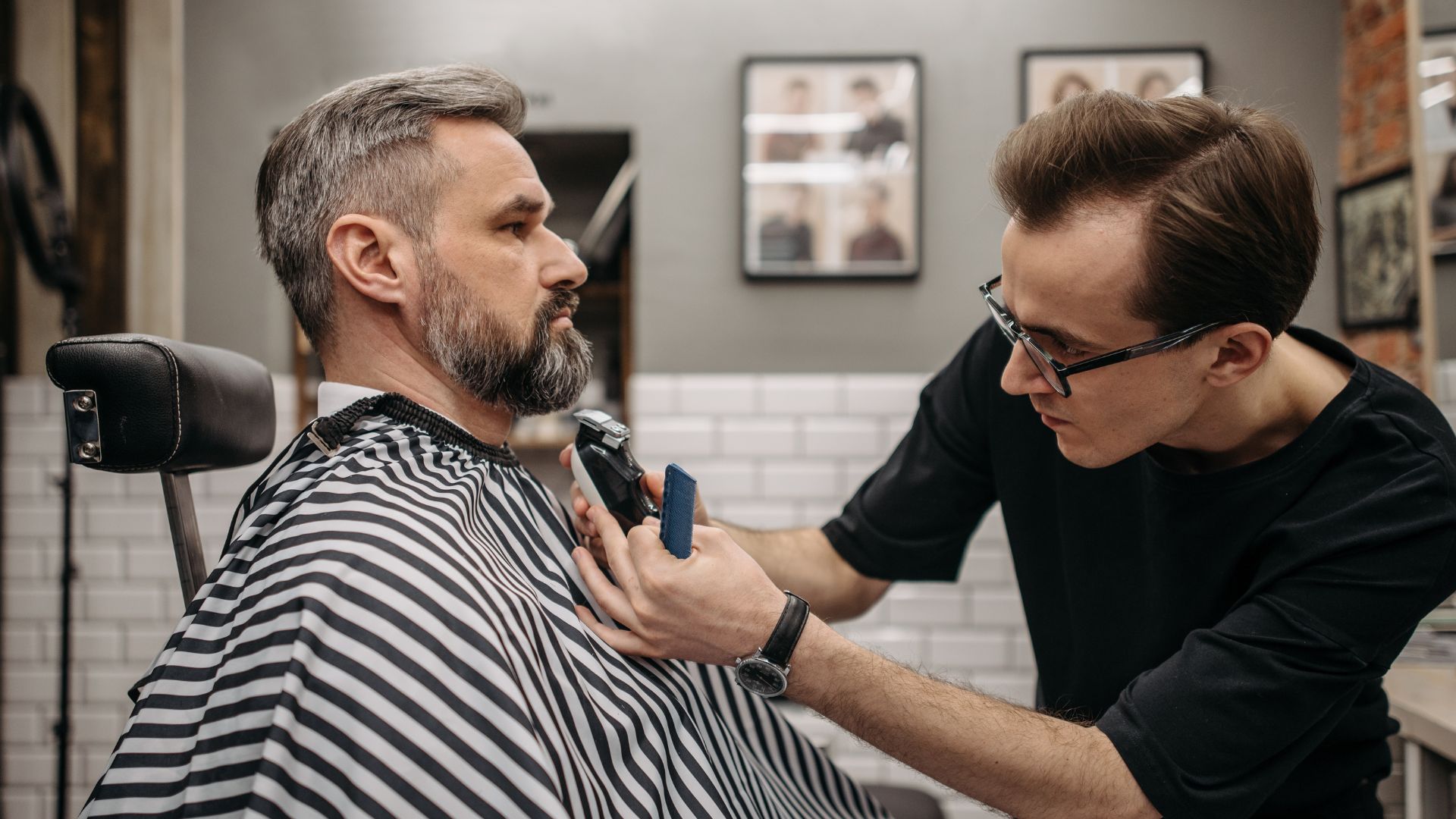
When washing, focus on massaging the cleanser into the skin, not just the hair. This ensures you are targeting the source of the dandruff. If you are unsure which products are best, consulting a professional can be helpful. For instance, during a Beard Trim in New York, a skilled barber can recommend specific washes that suit your skin type. Using the right cleanser two to three times a week is usually sufficient; over-washing can also lead to dryness. By switching to a dedicated beard wash, you protect the skin’s natural barrier and reduce the risk of irritation and flaking.
3. Apply Beard Oil Daily
Beard oil is arguably the most important product for preventing and treating beardruff. Its primary function is to moisturize the skin underneath the beard, mimicking the natural oils (sebum) that your skin produces. As facial hair grows, it wicks moisture away from the skin, often leaving it dry and prone to flaking. Beard oil replenishes this lost moisture, creating a protective barrier that keeps the skin hydrated and soft. Ingredients like jojoba oil, argan oil, and grapeseed oil are excellent choices because they are lightweight and easily absorbed without clogging pores.
To get the most benefit, apply beard oil immediately after showering while your pores are still open and the hair is slightly damp. Dispense a few drops into your palms and massage it deeply into the skin, working your way out to the ends of the hair. This ensures the skin gets the hydration it needs to prevent dryness and itching. Regular application not only stops dandruff but also makes the beard hair softer and more manageable. It eliminates the “itch phase” of growing a beard and gives the hair a healthy, non-greasy shine.
4. Don’t Wash with Hot Water
While a steaming hot shower feels relaxing, it can be incredibly damaging to your skin and beard. Hot water strips away the natural oils that keep your skin moisturized and healthy. When these oils are removed, the skin becomes dry, tight, and prone to flaking—the perfect recipe for beardruff. This is especially true for the sensitive skin on the face. Over time, frequent exposure to hot water can weaken the skin’s barrier function, making it more susceptible to irritation and inflammation.
Instead, aim to wash your beard with lukewarm or cool water. This temperature is effective enough to remove dirt and product buildup but gentle enough to preserve the skin’s natural hydration. Making this simple switch can have a dramatic impact on the health of your skin. It helps maintain the integrity of your Beard Styles, keeping the hair smoother and less frizzy. Cool water also helps to close the hair cuticles, locking in moisture and leaving your beard looking shinier. Treating your face with care by controlling water temperature is an easy, cost-free way to fight dandruff.
5. Use a Boar Bristle Brush
A boar bristle brush is an essential tool for any bearded man fighting dandruff. Unlike plastic combs, natural boar bristles have a texture that is similar to human hair. This allows them to effectively distribute sebum and applied oils evenly throughout the beard. When you brush, you are not just detangling; you are dragging the natural oils from the skin down the hair shaft. This process conditions the hair and prevents the oil from pooling at the roots, where it could clog pores or cause irritation.
Additionally, the stiff bristles act as a superb exfoliator. As mentioned earlier, brushing helps lift dead skin cells away from the surface of the skin so they don’t accumulate and turn into visible flakes. Regular brushing also trains the hair to grow in a downward direction, making your beard look neater. It serves a dual purpose: styling the beard while simultaneously treating the skin underneath. Using this tool daily ensures that moisture is distributed where it is needed most, keeping both the hair and the skin in optimal condition.
6. Keep Your Beard Dry
Fungal infections thrive in warm, moist environments. If you leave your beard damp for long periods after showering or sweating, you create the perfect breeding ground for the yeast that causes dandruff. Malassezia globosa, the fungus responsible for seborrheic dermatitis, loves moisture. Therefore, thoroughly drying your beard is a critical step in preventing beardruff. You should gently pat your beard dry with a clean towel immediately after washing. Avoid rubbing vigorously, as this can damage the hair and irritate the skin.
For those with a Fuller Beard, air drying might not be enough. In these cases, using a blow dryer on a cool, low setting can be very beneficial. Ensure you dry the skin underneath the hair, not just the surface. However, be careful not to use high heat, as this will dry out the skin and defeat the purpose. By keeping the area dry and airy, you make the environment inhospitable for fungus and bacteria. This simple habit of thorough drying helps maintain a healthy balance on your skin and significantly reduces the likelihood of developing flakes.
7. Use a Beard Balm for Deep Conditioning
For men with particularly dry skin or coarse beards, beard oil alone might not provide enough moisture. This is where beard balm comes in. Beard balm is a thicker product that typically contains beeswax, heavy butters (like shea or cocoa butter), and carrier oils. It provides a deeper, longer-lasting conditioning treatment than oil. The balm sits on the hair and skin longer, creating a stronger seal that locks in moisture and protects the skin from harsh environmental elements like wind and cold air.
Beard balm also offers a slight hold, which helps in styling and taming stray hairs. To use it, scrape a small amount out of the tin, warm it between your palms until it melts, and then massage it thoroughly into your beard and skin. It is best used after beard oil to seal in the hydration. This extra layer of protection is vital during winter months when the air is dry. By providing intense hydration, beard balm prevents the skin from drying out and flaking, ensuring your beard feels soft and the skin underneath remains healthy and nourished.
8. Clean Your Grooming Tools Regularly
It is counterproductive to wash your face and then use dirty tools to groom your beard. Brushes, combs, and trimmers can harbor dead skin cells, oil, bacteria, and fungal spores. Every time you use a dirty brush, you are reintroducing these irritants to your skin, which can perpetuate the cycle of dandruff. Regular cleaning of your grooming kit is a hygiene must. You should remove hair from your brushes daily and wash them with warm soapy water at least once a week.
Trimmers and razors should be disinfected with alcohol or a specialized cleaner after every few uses. If you frequent a Barbershop in New York, you will notice they sanitize their tools between every client to prevent the spread of skin conditions. You should adopt the same standard of hygiene at home. Keeping your tools clean ensures that your grooming routine solves problems rather than creating them. A clean tool is more effective and safer for your skin, reducing the risk of infection and inflammation that often accompanies beardruff.
9. Avoid Harsh Chemicals and Alcohol
Many commercial grooming products contain ingredients that are detrimental to beard health. Alcohols, sulfates, and parabens are common additives that can be extremely drying. Alcohol, in particular, is often found in cheap aftershaves and can strip moisture from the skin instantly, leading to tightness and flaking. Sulfates, which create lather in shampoos, are harsh detergents that remove natural oils aggressively. When choosing products for your beard, it is essential to read the label and avoid these harsh chemicals.
Opt for natural, organic products whenever possible. Look for ingredients that nourish rather than strip, such as aloe vera, tea tree oil, and vitamin E. Tea tree oil is especially good as it has natural antifungal and antibacterial properties that fight the root causes of dandruff. Gentle, natural formulations respect the delicate pH balance of facial skin. By eliminating harsh irritants from your routine, you allow your skin to heal and regulate its oil production naturally, significantly reducing the occurrence of beard dandruff.
10. Stay Hydrated and Eat Well
The health of your beard and skin is often a reflection of your internal health. If you are dehydrated, your skin will be dry, regardless of how much oil you apply topically. Drinking plenty of water throughout the day ensures that your skin cells are hydrated from the inside out. This improves skin elasticity and reduces dryness. Additionally, a diet rich in vitamins and nutrients supports healthy skin and hair growth. Omega-3 fatty acids, found in fish and nuts, are particularly beneficial for keeping skin supple and moisturized.
Vitamins A, C, and E, as well as Biotin and Zinc, are also crucial for skin health. Deficiencies in these nutrients can lead to dry, flaky skin. Try to minimize the intake of sugar and processed foods, which can cause inflammation in the body and manifest as skin issues. By maintaining a balanced diet and proper hydration, you create a healthy foundation for your beard to grow. Treating beardruff is a holistic process; external grooming combined with internal wellness provides the most effective and lasting results.
11. Manage Stress Levels
It might be surprising, but stress is a significant trigger for dandruff and other skin conditions. High levels of stress cause the body to produce cortisol, a hormone that can disrupt the skin’s barrier function and increase oil production. Paradoxically, excess oil can feed the yeast that causes dandruff, while stress can also compromise the immune system’s ability to keep that yeast in check. Furthermore, stress often leads to nervous habits like picking or scratching at the beard, which damages the skin and worsens flaking.
Finding ways to manage stress is therefore a legitimate treatment for beardruff. Regular exercise, adequate sleep, and relaxation techniques like meditation or deep breathing can help keep cortisol levels balanced. When your body is rested and less stressed, it is better equipped to fight off inflammation and maintain healthy skin. If you notice flare-ups of beard dandruff during particularly busy or stressful periods, it is a sign that you need to prioritize self-care. Managing your mental well-being has tangible benefits for your physical appearance, including the health of your beard.
12. Use a Medicated Shampoo for Severe Cases
If you have tried natural remedies and improved your hygiene routine but the flakes persist, you may be dealing with a more stubborn case of seborrheic dermatitis. In this situation, a medicated anti-dandruff shampoo can be effective. Look for products containing active ingredients like ketoconazole, selenium sulfide, or zinc pyrithione. These ingredients are specifically designed to kill the fungus responsible for dandruff and reduce skin cell turnover.
However, be cautious when using these shampoos on your face, as they can be drying. Use them only once or twice a week and follow up immediately with a rich beard oil or balm to restore moisture. Apply the shampoo to the beard, let it sit for a few minutes to work on the skin, and then rinse thoroughly. If the condition does not improve or becomes painful, it is best to consult a dermatologist. Sometimes a prescription-strength treatment is necessary to fully resolve the issue. Using medicated products should be a targeted treatment rather than a daily routine.
Conclusion
Beard dandruff is a manageable condition that doesn’t have to ruin your look or your confidence. By understanding that facial skin requires different care than your scalp, you can adjust your grooming habits to prevent flakes effectively. The key lies in consistency—regular exfoliation, proper washing with gentle products, and daily moisturizing with high-quality oils or balms are non-negotiable steps. Additionally, paying attention to lifestyle factors like diet, hydration, and stress can support your skin’s health from the inside out.
Implementing these twelve strategies will not only eliminate beardruff but also result in a softer, healthier, and better-looking beard. It takes a little effort to establish a new routine, but the results are well worth it. No one wants to worry about flakes on their shirt or an itchy chin throughout the day. Take control of your grooming regimen today, and enjoy the comfort and style of a clean, flake-free beard. With the right care, your beard can be one of your best assets.