The world of hairstyling is vast and varied, but at its heart lies the simple, yet profound, tool: the scissors. In the hands of a skilled professional, a pair of shears can transform hair into a work of art. The techniques used are not just about shortening length; they are about creating shape, texture, and movement. Understanding the different looks that can be achieved through specific scissor methods reveals the true artistry behind a great haircut. From the sharp lines of a bob to the soft, flowing layers of a longer style, each cut tells a story and defines a personal aesthetic. This exploration will delve into thirteen distinct looks, each crafted through the deliberate and precise application of scissor techniques, showcasing how cutting methods shape the final result.
1. The Classic Bob
The classic bob is a timeless haircut characterized by its straight, clean lines, typically cut at jaw-level. This style’s defining feature is its precision, achieved through a technique called blunt cutting or solid form cutting. The stylist holds the hair with even tension and cuts a straight, horizontal line, resulting in all the hair falling to a single length. This method creates a strong, defined perimeter that gives the bob its signature look. The lack of layers contributes to a feeling of weight and thickness, making it an excellent choice for individuals with fine to medium hair who desire a fuller appearance.
To maintain the sharp integrity of the classic bob, stylists often refine the haircut when the hair is dry. This allows them to see how the hair naturally falls and to perfect the line, ensuring it is flawlessly straight. Any stray hairs or imperfections are meticulously snipped away. The beauty of this technique is its simplicity and the dramatic effect it produces. The result is a hairstyle that is both sophisticated and bold, a testament to the power of a perfectly executed straight line. This style remains a favorite for its chic, low-maintenance appeal and its ability to frame the face beautifully.
2. The Textured Pixie Cut
The pixie cut is a short, versatile hairstyle that can be customized in countless ways. A textured pixie, in particular, relies on point cutting and slide cutting to create a soft, piecey, and voluminous look. Instead of cutting straight across, the stylist uses the tips of the scissors to cut into the ends of the hair. This technique, known as point cutting, removes bulk and creates varied lengths within the sections, resulting in a separated, textured effect. This adds movement and dimension to the hair, preventing the short style from looking flat or overly uniform. A skilled barber or stylist will use this method to sculpt the hair, enhancing its natural texture and creating a playful, modern finish.
Further texture can be introduced with deep point cutting, where the scissors cut more deeply into the hair section, creating more dramatic separation. This is ideal for thicker hair, as it helps to remove significant weight and allows the hair to lie more softly. The direction of the point cutting—whether vertical, horizontal, or diagonal—also influences the final look, directing the hair’s movement. The goal is to achieve a style that looks effortlessly styled and full of life. The textured pixie is a statement of confidence, showcasing how scissor techniques can craft a short haircut that is anything but simple.
3. The Layered Shag
The shag haircut is defined by its abundant layers, choppy ends, and significant texture. This look, popular since the 1970s, is created primarily through layering techniques that remove weight and build volume, particularly at the crown. Stylists often use a combination of uniform layers and slide cutting. Uniform layers involve cutting the hair so that each section is the same length all over the head, which builds volume evenly. The signature choppiness of the shag comes from more aggressive texturizing methods. The stylist might hold sections of hair vertically and cut into them to create distinct, separated layers.
Slide cutting is another essential technique for the shag. This involves gliding the partially open shears down the hair shaft, which tapers the ends and removes bulk without sacrificing overall length. This technique helps to create the soft, feathered look around the face and throughout the interior of the style. The result is a rock-and-roll-inspired haircut that is full of movement and personality. The modern shag is often styled to enhance its natural texture, making it a low-maintenance yet highly fashionable choice that works well with various hair types, from straight to curly.
4. The Long Layered Cut
Long, flowing hair is beautiful on its own, but layers can elevate it by adding movement, volume, and shape. The long layered cut is designed to remove weight from the bottom, allowing the hair to move freely while maintaining its length. Stylists achieve this look by cutting layers at different lengths throughout the hair. One common technique is to create long, cascading layers that start below the chin. The hair is often elevated and cut to create a softer, more blended effect. This prevents the harsh lines that can sometimes result from less refined layering methods. A well-executed cut creates a seamless flow from the shorter layers to the longest lengths.
A popular approach for this style is using a combination of slide cutting and point cutting to achieve soft, face-framing pieces and wispy ends. This Long Layers Hairstyling avoids a blunt, heavy appearance at the bottom, which can make long hair look weighed down. By texturizing the ends of the layers, a stylist can encourage the hair to flick or curl slightly, adding dimension and a polished finish. The long layered cut is incredibly versatile, allowing for various styling options, from sleek and straight to bouncy and curled. It is a go-to style for those who want to keep their length while adding interest and body.
5. The Asymmetrical Bob
An asymmetrical bob is a modern twist on the classic cut, where one side is intentionally longer than the other. This edgy and dynamic look is created through careful sectioning and precision cutting. The stylist must establish a clear guideline on the shorter side and then gradually increase the length as they move toward the longer side. This requires a strong understanding of angles and graduation. The hair is typically cut with a diagonal line, creating a dramatic or subtle slant depending on the desired outcome. The steeper the angle, the more pronounced the asymmetry will be.
To ensure the lines are sharp and clean, blunt cutting techniques are often employed, similar to a classic bob. However, the complexity comes from maintaining the consistency of the angled line around the head. The back of the haircut can be stacked to create volume or cut into a clean line that connects the two differing lengths. A stylist might also use point cutting on the ends to soften the look slightly and add a bit of texture, preventing it from looking too severe. This style is a bold fashion statement that highlights the geometric possibilities of haircutting.
6. The French Bob
The French bob is a shorter, chicer cousin of the classic bob, typically cut at the lip or chin line and often paired with a full fringe. This hairstyle exudes an air of effortless Parisian style. The cutting technique involves creating a sharp, blunt line for the length, but the key difference is the subtle texturizing that gives it a lived-in feel. Stylists often use techniques like point cutting or “chipping” into the ends after the main shape is established. This breaks up the solid line just enough to create softness and movement, allowing the hair to bevel under naturally. These Bold Hair Styles are both classic and contemporary.
The fringe is a critical component of the French bob and is also cut with precision. It is usually cut straight across, sitting just above the eyebrows, but it can also be slightly texturized at the ends to complement the main body of the hair. The goal is to create a look that feels polished yet relaxed. The French bob works exceptionally well with natural hair texture, encouraging waves or slight bends to enhance its casual elegance. It is a statement haircut that frames the face beautifully and conveys a sense of sophisticated nonchalance.
7. The Soft Undercut
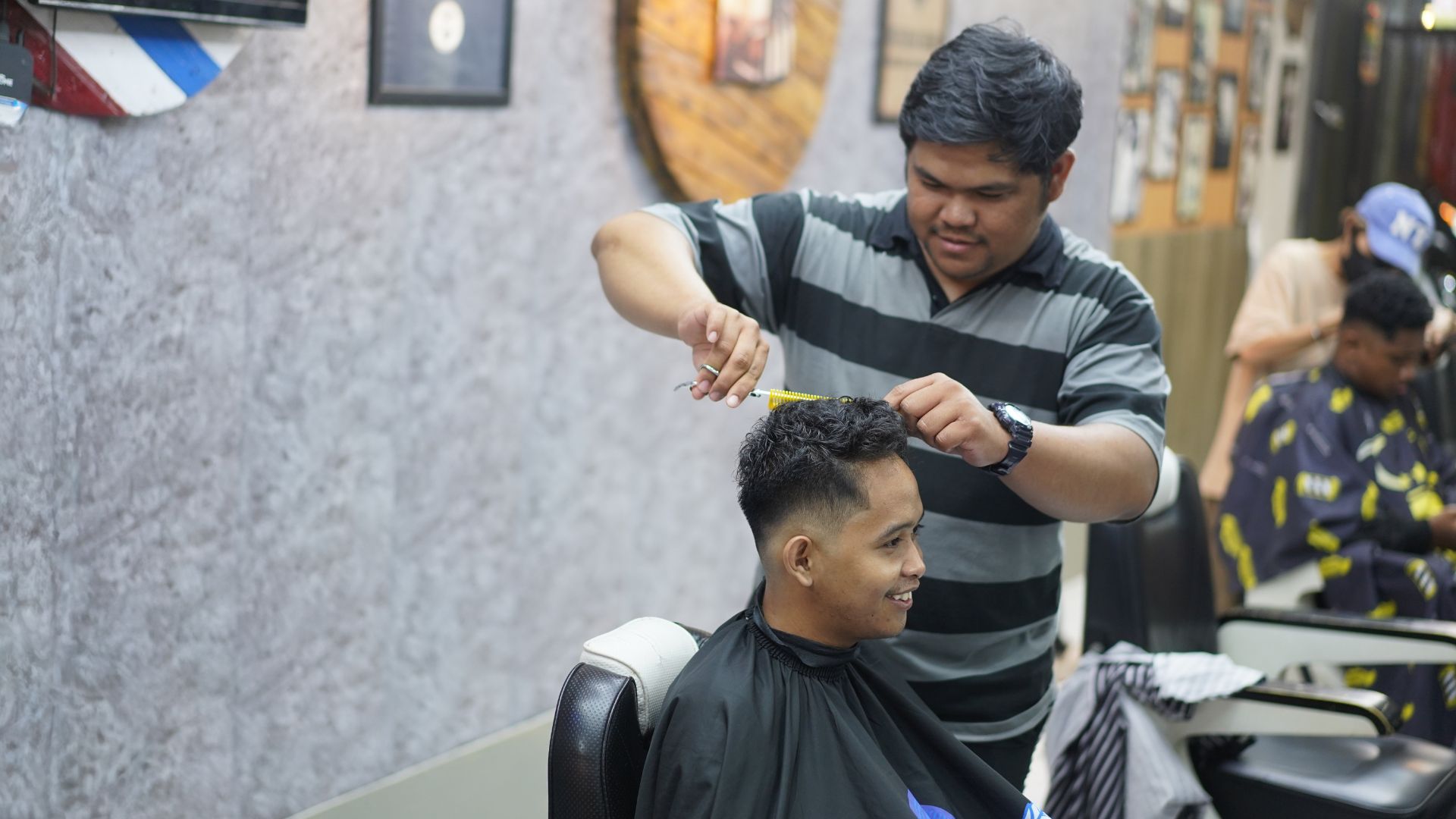
The undercut has long been associated with sharp, buzzed sides, but a soft undercut offers a more subtle and versatile alternative. This look is achieved entirely with scissors, creating a disconnected style where the top sections are longer than the hair underneath. Instead of clippers, a stylist uses scissor-over-comb techniques to taper the hair on the sides and back. This method allows for greater control over the length and graduation, resulting in a softer, more blended finish than a clipper cut. The scissors work closely with the comb to trim the hair to a short, uniform length, creating a clean base.
The top, longer sections are then cut to contrast with the shorter hair beneath. When the top hair is styled, it can either cover the undercut for a more conservative look or be swept back to reveal the shorter length for a bolder statement. This scissor-based approach is ideal for those who want the edgy feel of an undercut without the harsh grow-out phase of a clipper cut. The scissor-over-comb technique allows the stylist to tailor the shortness precisely, blending it seamlessly where needed and creating a custom look that is both modern and refined.
8. The Modern Mullet
The mullet, once a polarizing style, has made a major comeback with a more refined and stylish twist. The modern mullet maintains the signature “business in the front, party in the back” concept but with softer transitions and more texture. Creating this look involves distinct cutting techniques for different sections of the head. The front and sides are typically cut shorter, often incorporating layers or even a fringe. A stylist might use point cutting or razor cutting in these areas to create a piecey, textured look that frames the face. Looking for a stylist to achieve this? A quick search for a “barber near me” can connect you with a professional who understands modern trends.
The transition from the shorter front to the longer back is crucial. Unlike the harsh lines of the classic mullet, the modern version often features a more seamless blend created through layering and texturizing. Slide cutting can be used to connect the different lengths and remove bulk, allowing the hair to flow rather than feel disconnected. The back section is left long but is heavily layered and texturized to create movement and prevent it from looking flat or heavy. The result is a versatile, edgy style that can be adapted to suit various hair types and personal aesthetics.
9. The Rounded or Inverted Bob
The rounded bob, also known as an inverted or graduated bob, is a style where the hair is cut shorter in the back and gradually becomes longer toward the front. This shape is created using a technique called graduation or stacking. The stylist cuts the hair at an angle, creating layers that build on top of each other in the back. This technique builds weight and volume at the nape of the neck, resulting in the signature curved or “stacked” appearance. The precision required for graduation is immense, as each section must be cut at a consistent angle to create a smooth, rounded shape.
The front of the bob is left longer, creating a dramatic, face-framing effect. The angle of the cut, from the short back to the long front, can be as subtle or as extreme as desired. To perfect the shape, stylists often use point cutting to soften the edges and blend the layers seamlessly. This prevents the stacked layers from looking too shelf-like and ensures a soft, beveled edge. The inverted bob is a powerful, geometric style that requires a high level of technical skill to execute properly, resulting in a sophisticated and voluminous look.
10. The Wolf Cut
The wolf cut is a trendy hybrid style that combines the layering of a shag with the shape of a mullet. It is characterized by shorter, choppy layers on top and longer, thinned-out lengths in the back. This wild and textured look is achieved through intensive layering and texturizing techniques. The stylist starts by creating short, voluminous layers at the crown and around the face, similar to a shag. This is often done by over-directing the hair forward and cutting it to create layers that fall back with lots of volume.
The key to the wolf cut is the heavy texturizing. Stylists use a variety of methods, including deep point cutting, slide cutting, and even razor cutting, to create a wispy, almost feathery effect throughout the hair. This removes a significant amount of weight, particularly from the mid-lengths to the ends, allowing the hair to have maximum movement and a deliberately messy appearance. The final look is untamed and full of personality, blending the volume of a shag with the length variation of a mullet for a truly unique and modern style.
11. The Curtain Bangs with Layers
Curtain bangs have become immensely popular for their ability to soften a hairstyle and frame the face beautifully. This look features a fringe that is parted down the middle and swept to each side, like curtains. The technique to create them involves cutting the bangs shorter in the center and gradually longer toward the temples. A stylist will typically take a triangular section of hair at the front and use point cutting or slide cutting to create this soft, angled shape. The goal is to create a seamless blend from the bangs into the rest of the hair.
To complement the curtain bangs, the rest of the hair is usually cut with soft, face-framing layers. These layers are cut to follow the angle of the bangs, creating a cohesive and flowing look. The stylist might use slide cutting around the face to ensure the layers are light and feathery. This technique enhances movement and prevents the hair from feeling heavy around the face. The combination of curtain bangs and soft layers results in a romantic, low-maintenance style that flatters a wide variety of face shapes and adds a touch of retro-inspired elegance.
12. The Pompadour Fade
While often achieved with clippers, a classic, scissor-cut pompadour fade is a mark of true craftsmanship. This style features short sides that gradually get longer toward the top, which is left with significant length to be styled up and back. The fade on the sides and back is created using the scissor-over-comb technique. This method allows the stylist to achieve a very close cut that tapers smoothly, without the harsh lines that clippers can sometimes leave. It requires a steady hand and a good eye to create a seamless graduation of length from the shortest point at the hairline to the longer hair at the parietal ridge.
The top section is where the pompadour takes shape. This hair is left much longer and is typically cut with uniform layers to ensure it has even density and volume when styled. The stylist may use point cutting to add texture and make the hair easier to style. The front is often left slightly longer than the crown to create the classic “pomp” height. This scissor-based approach results in a softer, more classic version of the pompadour fade, showcasing a high level of technical skill and resulting in a timeless, sophisticated haircut.
13. The Choppy Lob (Long Bob)
The lob, or long bob, is a versatile cut that sits somewhere between the chin and the shoulders. A choppy lob takes this classic style and adds layers and texture for a more edgy and modern look. This cut works well on all hair types and face shapes, making it a popular choice among many women.
To achieve the choppy lob, the hair is cut in uneven lengths with varying layers throughout. The ends are often texturized using razor or point cutting techniques to create a piece-y, tousled effect. This gives the hair movement and dimension, making it easy to style in different ways.
One of the benefits of the choppy lob is its low maintenance nature. It can be worn straight or wavy, and requires minimal styling to achieve a chic, effortless look. It also grows out gracefully, meaning you won’t need frequent trims to maintain the style.
Conclusion
In conclusion, mastering various scissor techniques unlocks a world of possibilities for creating distinct and personalized hairstyles. Whether it’s the precise lines of a blunt cut, the playful texture of a choppy style, or the seamless flow of layered looks, each technique brings its own charm and versatility. By understanding and experimenting with these methods, both stylists and clients can achieve unique, head-turning results that truly reflect individual personality and style.