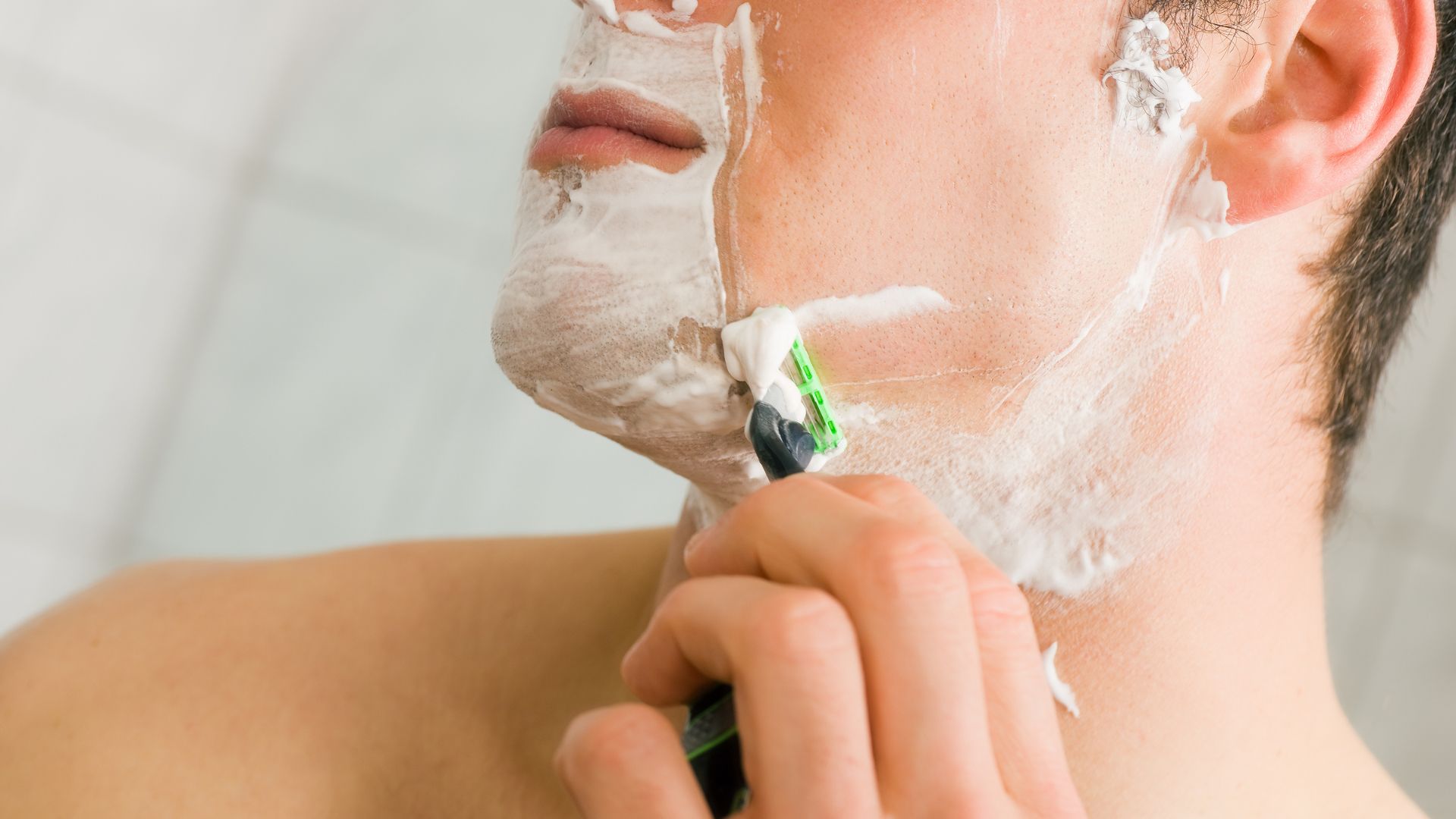
A close, clean shave is a goal for many, but achieving it without nicks, razor burn, or irritation can be a challenge. The process often seems simple: apply cream, glide a razor, and rinse. However, the details of a proper shaving routine are what separate a smooth, comfortable experience from a painful one. Many common habits, learned over time or through simple oversight, can lead to poor results and skin problems. From the preparation of the skin to the maintenance of the tools, every step matters. Understanding the most frequent errors is the first step toward correcting them. This guide will explore 13 significant mistakes made during shaving and provide clear guidance on how to avoid them, helping anyone achieve a superior shave at home.
1. Skipping Pre-Shave Preparation
One of the most common and detrimental mistakes is shaving dry or unprepared skin. Many people rush the process, applying shaving cream to a dry face and immediately starting to shave. This approach sets the stage for irritation, razor burn, and nicks. The skin and hair need to be properly softened before a blade touches them. Hair that is dry is tough and resistant, forcing the razor to tug and pull rather than cut cleanly. This not only causes discomfort but also increases the likelihood of ingrown hairs, as the hair can be cut at an angle and grow back into the skin. Proper preparation involves hydrating the skin and hair with warm water.
Taking a warm shower before shaving is an excellent way to do this. The steam and heat open up the pores and soften the hair follicles, making them much easier for the razor to slice through. If a shower isn’t an option, applying a warm, damp towel to the face for a few minutes can achieve a similar effect. A good pre-shave oil can also be applied to create an extra layer of lubrication, protecting the skin and helping the razor glide more smoothly. This simple step transforms the shave from a battle against the skin to a smooth, effortless glide.
2. Using a Dull Razor Blade
Using a dull razor blade is a recipe for a bad shave. Over time, razor blades lose their sharpness, becoming blunted from cutting through tough facial hair and accumulating soap scum and dead skin cells. When a blade is dull, it no longer cuts the hair cleanly. Instead, it drags and pulls at the follicles, causing significant irritation and redness. This tugging action can also lead to an uneven finish, leaving patches of stubble behind.
A dull blade requires more pressure to cut the hair, which dramatically increases the risk of nicks, cuts, and scrapes. The extra force can remove layers of skin along with the hair, leading to painful razor burn. Many people try to extend the life of their blades far beyond their effective period to save money, but this is a false economy when considering the damage done to the skin. It is crucial to change blades regularly.
The frequency depends on the thickness of the hair and how often one shaves, but a general rule is to replace a blade after five to seven shaves. Paying attention to the feel of the shave is key; if the razor starts to pull or feel uncomfortable, it’s time for a new blade. A sharp blade is the most important tool for a clean, comfortable, and safe experience. Getting a professional Shave in New York often highlights this, as barbers always use a fresh, sharp blade for every client to ensure optimal results.
3. Applying Too Much Pressure
A common misconception is that pressing the razor harder against the skin will result in a closer shave. In reality, applying too much pressure is counterproductive and harmful. Modern razors, especially multi-blade cartridge razors, are designed to work with a light touch. The blades are angled precisely to cut hair at the surface level with minimal force. When excessive pressure is applied, the razor does more than just cut hair; it scrapes away the top layer of the skin, leading to irritation, redness, and a burning sensation. This can also flatten the skin and hair in a way that prevents the blades from cutting effectively, ironically leading to a less close shave.
Furthermore, pressing too hard significantly increases the chances of cutting the skin. The blades can catch on any uneven surface, resulting in painful nicks. The key is to let the razor do the work. A sharp blade should glide effortlessly across a well-prepped and lubricated surface. The grip on the razor should be relaxed, allowing the weight of the razor head itself to provide sufficient contact. The motion should be smooth and controlled, not forceful. By focusing on a light touch, one can achieve a very close shave without the associated pain and skin damage.
4. Rushing the Shaving Process
In a world of busy schedules, it’s tempting to rush through daily routines, including shaving. However, hurrying this process is a significant mistake that often leads to poor outcomes and skin issues. Shaving requires precision and care, and rushing compromises both. When moving the razor too quickly, strokes become sloppy and uncontrolled. This increases the likelihood of missing spots, resulting in an uneven, patchy finish that may require going over the same area multiple times, which in itself is a source of irritation.
Fast, careless movements also dramatically elevate the risk of nics and cuts. The skin is not a perfectly flat surface, and a fast-moving blade can easily catch on contours, bumps, or loose skin. Furthermore, rushing often means skipping or shortening crucial steps like pre-shave preparation and post-shave care. As mentioned, shaving on unprepared skin is a major cause of discomfort.
Similarly, failing to properly rinse and moisturize afterward leaves the skin vulnerable. Many professional Barbershop Services emphasize a slow, methodical approach because it delivers superior and safer results. To avoid the pitfalls of a hurried shave, it is important to set aside adequate time. The process should be seen as a mindful grooming ritual rather than a chore to be completed as quickly as possible. Slow, deliberate strokes with a sharp blade on well-prepped skin will always yield a better, more comfortable result.
5. Shaving Against the Grain Immediately
The direction of the shave stroke has a significant impact on both closeness and comfort. Shaving against the grain—meaning in the opposite direction of hair growth—can certainly provide the closest possible shave. However, doing it from the very beginning of the process is a mistake for most people, especially those with sensitive skin. Hair follicles anchor the hair in the skin, and pulling them directly upward with a razor can cause significant stress and irritation. This action can lead to red, inflamed bumps known as razor bumps, which are essentially a form of folliculitis. It also increases the risk of ingrown hairs, as the hair, when cut so close, can curl back and grow into the skin.
The proper technique is to start by shaving with the grain. While this first pass may not give the smoothest finish, it safely removes the bulk of the hair with minimal irritation. To determine the direction of hair growth, one can simply run a hand across the stubble; the direction that feels smoothest is with the grain. After the first pass, the face can be re-lathered, and for those who desire a closer shave and have resilient skin, a second pass can be made across the grain (perpendicular to growth) or, very carefully, against the grain. This multi-pass method ensures comfort while still achieving a close result.
6. Using the Wrong Shaving Cream or Gel
The product used to lubricate the skin is just as important as the razor itself, yet many people grab any can of foam off the shelf without considering its ingredients or suitability for their skin type. A major mistake is using low-quality or incorrect shaving creams and gels. Many aerosol foams are filled with air and contain drying agents like alcohol, which can strip the skin of its natural moisture.
While they create a visually impressive lather, they often provide a thin, inadequate barrier between the blade and the skin. This leads to friction, which is a direct cause of razor burn and irritation. A good shaving product should do two things: provide lubrication for the razor to glide and moisturize the skin and hair. High-quality shaving creams, soaps, and gels contain hydrating and soothing ingredients such as glycerin, aloe vera, and natural oils.
These formulations create a dense, rich lather that lifts the hair off the skin and provides a slick, protective cushion. This allows the razor to cut the hair cleanly without scraping the skin. Taking the time to find a product that works well for one’s skin type can make a world of difference. Individuals dealing with specific issues, such as sensitive skin or Receding Hairlines that may alter shaving patterns around the forehead, should seek products formulated to address their needs, ensuring a comfortable and effective shave.
7. Neglecting Post-Shave Care
The shaving process does not end when the razor is put down. What happens immediately after shaving is critical for the health and comfort of the skin. A very common mistake is to simply give the face a quick, cursory rinse and move on with the day. Shaving is an act of exfoliation that removes dead skin cells but also compromises the skin’s protective barrier, leaving it exposed and vulnerable. Rinsing with cold water right after the final pass is an important first step.
The cold water helps to soothe the skin, reduce inflammation, and close the pores, which can help prevent bacteria and dirt from entering. After rinsing, it is essential to gently pat the skin dry with a clean towel. Rubbing vigorously can cause further irritation to the already sensitive skin. The final and most crucial part of post-shave care is moisturizing. Applying a hydrating aftershave balm or lotion helps to replenish the moisture lost during the shave and restore the skin’s barrier.
It is best to choose an alcohol-free product, as alcohol can dry out the skin and cause a stinging sensation. Products containing ingredients like aloe vera, chamomile, or tea tree oil can provide additional soothing and antiseptic benefits. This final step calms the skin, prevents dryness and tightness, and ensures it remains healthy and resilient.
8. Not Cleaning the Razor Properly
A razor caked with hair, shaving cream residue, and dead skin cells is not only unhygienic but also ineffective. Failing to clean the razor properly during and after each shave is a mistake that compromises blade performance and longevity. During the shave, it is important to rinse the blade under hot water after every one or two strokes. This action clears the blades of debris, allowing them to maintain maximum contact with the skin and hair for a clean cut. A clogged razor cannot cut efficiently; it will drag and skip across the skin, leading to a patchy shave and increased irritation.
If a razor has multiple blades, hair can become firmly lodged between them, making a quick rinse insufficient. After the shave is complete, the razor needs a more thorough cleaning. Rinsing it thoroughly under running hot water from both the front and back should dislodge most of the remaining residue. Gently tapping it against the side of the sink (not on the blade itself) can also help. After cleaning, the razor should be stored in a dry place. Leaving it in a humid shower environment encourages rust and bacterial growth. A skilled Barber in New York understands that tool sanitation is non-negotiable for client safety and optimal performance, a principle that should be applied to at-home grooming as well. A clean, dry razor will last longer and provide a safer, more effective shave every time.
9. Going Over the Same Spot Repeatedly
One of the quickest ways to cause severe skin irritation is to shave over the same area multiple times during a single pass. Each time the razor glides across the skin, it removes not only hair but also a microscopic layer of skin cells. The shaving cream provides a protective barrier, but this barrier is largely removed after the first stroke.
When the same spot is shaved again and again without re-lathering, the blade is essentially scraping against unprotected skin. This action, known as “buffing,” leads directly to redness, inflammation, and the painful sensation of razor burn. It is a sign that the initial setup or technique was flawed. The need to go over an area repeatedly might indicate that the pre-shave preparation was insufficient, the blade is dull, or the angle of the stroke is incorrect.
The solution is not to keep shaving the same spot until it is smooth. Instead, the focus should be on making each stroke effective. A proper technique involves using a sharp blade on well-prepared skin and applying the right amount of pressure. If a single pass with the grain doesn’t achieve the desired closeness, the correct approach is to re-apply shaving cream to the entire area and then perform a second pass, perhaps across the grain. This ensures the skin remains protected throughout the process.
10. Ignoring the Skin’s Condition
The skin is not a static canvas; its condition changes daily due to factors like weather, diet, stress, and overall health. A significant mistake is to follow the exact same shaving routine every day without paying attention to the current state of the skin. Shaving over active acne, sunburn, rashes, or other irritations can worsen these conditions significantly. A razor blade passing over a pimple can break it open, spreading bacteria across the face and potentially leading to more breakouts or even scarring.
Similarly, shaving sunburnt or chapped skin is incredibly painful and can delay the healing process by causing further damage to an already compromised area. It is important to assess the skin before every shave. If there are areas of significant inflammation or broken skin, it may be best to avoid shaving that spot or to skip shaving altogether for a day or two to allow the skin to heal.
For those with consistently sensitive or acne-prone skin, the choice of products and techniques becomes even more critical. Using gentle, non-comedogenic products and a very light touch can help minimize aggravation. Listening to the skin and adjusting the routine accordingly is a key aspect of smart grooming. Shaving is not just about hair removal; it is also about skin care.
11. Stretching the Skin Improperly
Stretching the skin with the free hand is a technique often used to create a flatter, tauter surface for the razor to glide over, theoretically leading to a closer shave. While this can be effective when done correctly, improper technique can cause more harm than good. A common mistake is to pull or stretch the skin too aggressively. When the skin is overly taut, the razor can cut the hair below the skin’s surface.
As the skin relaxes back to its normal position, the freshly cut hair tip can become trapped beneath the surface, leading to a high probability of painful and unsightly ingrown hairs. Excessive stretching can also make the skin more vulnerable to nicks and cuts, as it flattens the natural protective contours.
A more effective and safer approach is to use minimal tension. Instead of pulling the skin, think of it as gently holding it in place. Another method is to use facial expressions to tighten certain areas, such as puffing out a cheek or moving the jaw to one side to firm up the neck area. This creates a smooth surface without the aggressive pulling that leads to problems. The goal is to create a slightly firmer plane for the razor, not to distort the skin’s natural position. A light, controlled touch is always the best policy.
12. Using Hot Water to Rinse After Shaving
While warm water is excellent for pre-shave preparation, using hot water to rinse the face after shaving is a mistake. During the shave, the skin undergoes a form of stress. The blades exfoliate the surface, and the pores are open and exposed. Rinsing with hot water at this stage can exacerbate the irritation. Hot water can strip the skin of its natural oils, leading to excessive dryness and a tight, uncomfortable feeling.
It can also increase blood flow to the surface of the skin, which may prolong redness and inflammation instead of calming it down. The ideal post-shave rinse uses cool or cold water. The cooler temperature provides immediate relief to the warm, sensitive skin. It acts as a natural astringent, helping to constrict the blood vessels and reduce any redness or swelling.
Cold water also helps to close the pores, which is beneficial for preventing dirt, oil, and bacteria from getting in and causing pimples or infections. This simple switch from a hot rinse to a cold one is a small change that can have a big impact on post-shave comfort and the overall health of the skin, leaving it feeling refreshed and soothed rather than tight and irritated.
13. Storing Razors in the Shower
The shower seems like a convenient place to store a razor, but it is one of the worst environments for it. The constant humidity and moisture create a perfect breeding ground for bacteria and promote the degradation of the razor blade. When a blade is continually exposed to moisture, it is much more likely to rust and corrode. Even stainless steel blades can develop microscopic rust spots that will dull the edge and make it rough. Shaving with a rusty, corroded blade is not only ineffective but also dangerous, as it can introduce bacteria into any small nicks or cuts.
Furthermore, the warm, wet environment allows bacteria to thrive on the razor head. Using a bacteria-laden razor on freshly exfoliated skin is a recipe for infection and breakouts. To preserve the life and hygiene of a razor, it should be stored in a clean, dry location after each use. After a thorough rinse, the razor should be shaken to remove excess water and placed upright in a razor stand or holder outside the shower. This allows air to circulate around the blade, ensuring it dries completely between uses. This simple habit protects the integrity of the blade, extends its lifespan, and ensures a cleaner, safer shave.
Conclusion
Achieving a perfect shave is less about luck and more about technique and attention to detail. By understanding and avoiding these 13 common mistakes, anyone can significantly improve their shaving experience. Proper preparation, the use of sharp and clean tools, and a gentle, methodical approach are the cornerstones of a great shave. It involves more than just hair removal; it is a complete skincare ritual. Taking the time to prepare the skin, use quality products, shave with care, and finish with proper aftercare will prevent common problems like razor burn, nicks, and ingrown hairs. Ultimately, turning this daily chore into a mindful practice not only yields a smoother, cleaner result but also promotes healthier, more resilient skin for the long term.