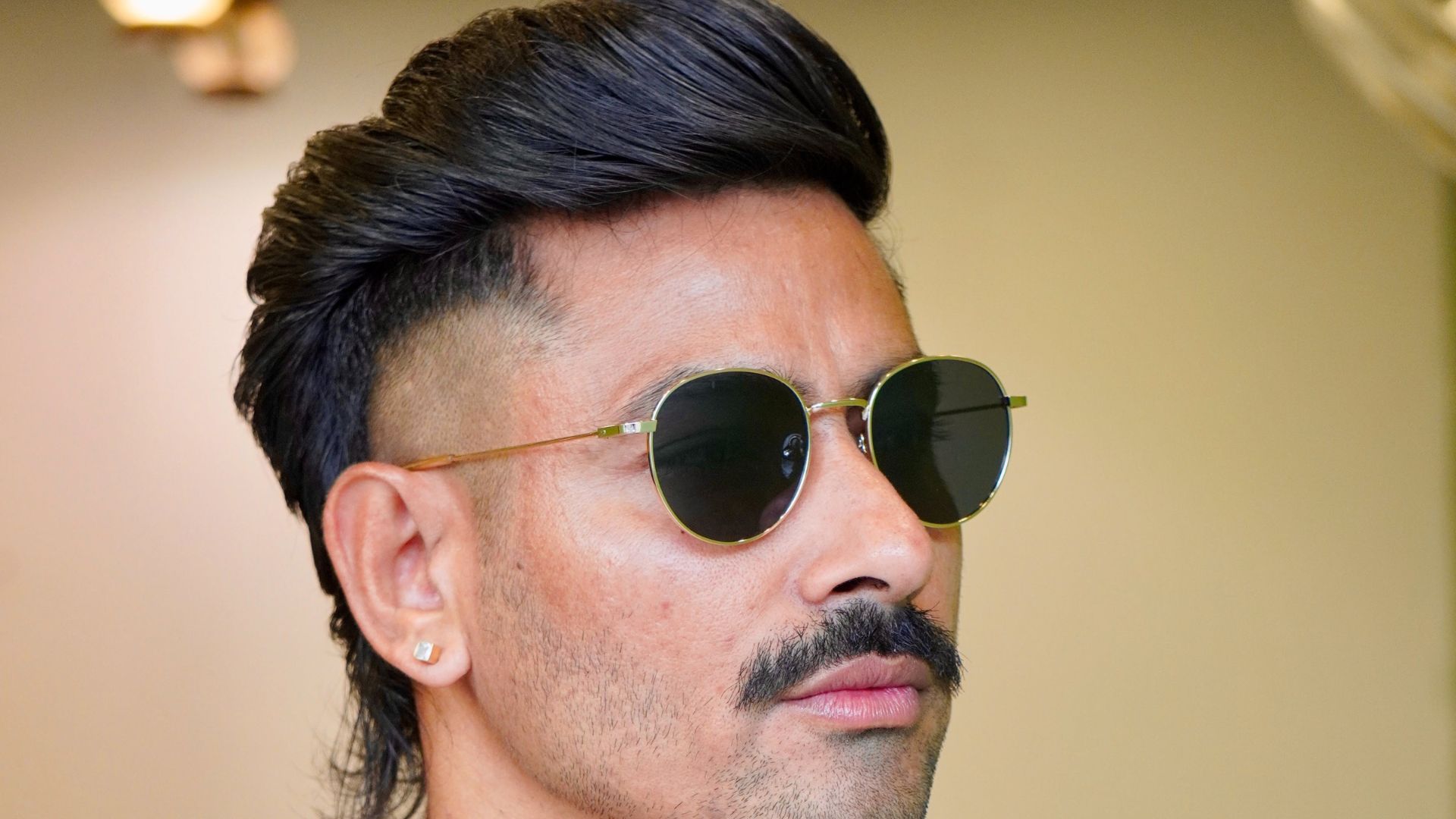
The mullet, a haircut long associated with a very specific era of questionable fashion choices, has made an undeniable comeback. For decades, the “business in the front, party in the back” style was more of a punchline than a serious grooming choice. However, today’s interpretations are far more nuanced, creative, and surprisingly stylish. The modern mullet has shed its old skin, reemerging with sophisticated textures, refined shapes, and versatile adaptations that work for a wide range of personal styles.
This resurgence is not about simply recreating the past. It is about reinventing it. Contemporary barbers and hairstylists are blending classic mullet principles with modern techniques like fades, texturizing, and asymmetrical cuts. The result is a collection of hairstyles that are edgy, individualistic, and fashion-forward. This guide explores thirteen distinct mullet variations that are turning heads for all the right reasons, proving that this once-maligned haircut can be genuinely cool in the modern era.
1. The Modern Mullet
The modern mullet is the quintessential updated version of the classic cut. It maintains the core short-front, long-back structure but softens the jarring transition that defined its predecessor. Instead of a stark line separating the two lengths, this style features a more gradual, blended flow from the shorter hair on top and sides to the longer hair at the back. This subtle graduation is key to its contemporary appeal, making it look intentional and stylish rather than abrupt and dated. The top is often styled with some texture and volume, while the back is left to flow more naturally, creating a balanced and cohesive look.
This variation is incredibly versatile and serves as a great entry point for anyone curious about trying the trend. It can be adapted to suit different hair types, from straight to wavy, and can be customized in length to match personal preference. The emphasis is on a cleaner, more tailored silhouette. The sides are kept tidy, often with a slight taper, which frames the face nicely and prevents the style from looking unkempt. It is a refined take that honors the mullet’s rebellious spirit while fitting seamlessly into today’s fashion landscape.
2. The Mullet with a Fade
Integrating a fade is one of the most popular ways to bring the mullet firmly into the present day. This version combines the long back of a traditional mullet with the clean, sharp look of a skin fade on the sides. The contrast between the closely shaven sides and the length on top and at the back creates a bold, high-impact look that is both edgy and neat. The fade can be customized, ranging from a low fade that just cleans up the neckline to a high fade that extends well above the ears, offering different levels of intensity.
This style has gained immense popularity in urban fashion scenes, with many people seeking it out from skilled barbers. For instance, a high-quality New York Barbershop would be adept at executing the precise blending required for a seamless fade that transitions flawlessly into the longer sections of the mullet. The fade adds a level of precision and grooming that elevates the entire haircut, making it clear that this is a deliberate and well-maintained style. It merges the carefree attitude of the mullet with the sharp discipline of a modern barbered cut.
3. The Textured or Shaggy Mullet
The shaggy mullet embraces a more relaxed, rock-and-roll aesthetic. This variation focuses on creating lots of texture and movement throughout the hair, resulting in a less structured and more lived-in feel. It works exceptionally well for individuals with wavy or curly hair, as it allows their natural texture to become the star of the show. The layers are often choppier and more disconnected than in a standard modern mullet, creating a deliberately messy and effortless vibe that channels punk and grunge influences.
To achieve this look, a stylist will typically use a razor or thinning shears to add texture and remove bulk, creating a lighter, more piecey effect. The hair on top is often left longer and styled with a bit of product to enhance the waves and create separation. The back is allowed to grow out freely, but the added layers prevent it from looking heavy or flat. This style is all about celebrating imperfection and projecting a cool, carefree attitude. It’s a low-maintenance option that looks better the more it is tousled.
4. The Short Mullet
The short mullet offers a more subtle and understated take on the trend, making it an excellent choice for those who want to experiment without committing to dramatic length. In this version, the contrast in length between the front and back is less pronounced. The hair on top and sides is kept relatively short and neat, while the back extends just an inch or two longer, often just covering the nape of the neck. This slight extension is enough to hint at the classic mullet shape without being overly conspicuous.
This style is often combined with other modern cutting techniques to enhance its contemporary feel. For example, it can be paired with Modern Fade Haircuts on the sides to create a cleaner and more defined silhouette. The top can be styled neatly for a professional setting or tousled for a more casual look. The short mullet is highly adaptable and can be a great option for the workplace, as its subtlety allows it to fly under the radar. It proves that the mullet can be sophisticated and refined, challenging old stereotypes.
5. The Curly Mullet
Curls and mullets are a natural pairing, and the curly mullet is a testament to how well they work together. This style allows natural curls to create volume, texture, and a unique shape that cannot be replicated with straight hair. The short sides keep the look from becoming too overwhelming, while the length in the back lets the curls cascade down, creating a dynamic and eye-catching silhouette. The key to a successful curly mullet is a haircut that is specifically designed to enhance the curl pattern, often involving careful layering to prevent the dreaded “triangle” shape.
Proper maintenance is crucial for keeping a curly mullet looking its best. Using moisturizing, curl-defining products will help to reduce frizz and keep the curls bouncy and well-formed. A stylist who understands how to cut curly hair is essential, as they will know how to work with the hair’s natural tendencies. The result is a style that is full of personality, combining the rebellious nature of the mullet with the playful, free-spirited energy of natural curls. It is a bold statement that feels both retro and completely of the moment.
6. The Pompadour Mullet
The pompadour mullet is a hybrid style that merges two distinct haircut eras into one striking look. It combines the voluminous, swept-back top of a classic pompadour with the extended length of a mullet at the back. This fusion creates a dramatic silhouette that is both polished and unconventional. The sides are typically kept short and clean, often with a fade or a sharp taper, to draw maximum attention to the height on top and the length in the back. It is a high-contrast style that requires confidence to wear.
Achieving the pompadour requires some styling effort, involving blow-drying the hair upwards and back, then using a strong-hold pomade to lock it in place. This polished top portion of the cut feels reminiscent of more classic styles, almost like some of the shorter Ivy League Haircuts in its neatness, but the mullet back gives it an entirely different, rebellious edge. This unexpected combination is what makes the style so compelling. It’s a haircut that refuses to be categorized, blending formal grooming with a counter-cultural flair.
7. The Mohawk Mullet
For those who want to make the boldest statement possible, the Mohawk mullet, sometimes called a “mullethawk,” is the ultimate choice. This extreme variation combines the central strip of hair characteristic of a Mohawk with the long tail of a mullet. The sides of the head are typically shaved completely or faded down to the skin, creating a stark and dramatic contrast with the hair that remains. The top strip can be styled spiked up, like a traditional Mohawk, or left to lie flatter, flowing directly into the long hair at the back.
This is a haircut that demands attention and is deeply rooted in punk and alternative subcultures. It is a powerful expression of individuality and nonconformity. While certainly not suitable for a conservative corporate environment, it is a popular choice in creative fields and among musicians and artists. The style requires regular maintenance to keep the sides shaved and the lines clean, but the visual impact is undeniable. It takes the rebellious spirit of both the Mohawk and the mullet and amplifies it, creating a look that is truly unforgettable.
8. The Classic 80s Mullet
While most modern mullets aim to update the style, some individuals embrace the original with a full-fledged 80s-inspired version. This variation is all about authenticity, featuring the distinct separation between a short, often spiky top and a long, flowing back. The sides are typically shorter but not faded, maintaining that classic, somewhat blunt transition. This look is less about subtlety and more about celebrating the mullet in its most iconic form. It’s a retro statement that can look surprisingly cool when worn with the right attitude and personal style.
Wearing a classic mullet today is an intentional and confident choice. It is often adopted by those with a love for vintage fashion or a connection to rock and metal music scenes, where the style never completely disappeared. To get it just right, one might consult with an expert who understands the nuances of retro cuts. A skilled New York Barber, for example, could recreate the look with precision, ensuring the proportions are correct for a genuine 80s feel. It’s a bold homage to a bygone era, worn with a sense of irony and affection.
9. The Straight Hair Mullet
A mullet on straight hair offers a sleek and graphic quality that is very different from its textured counterparts. With straight hair, the lines and layers of the cut become much more defined and visible. This makes the skill of the barber or stylist paramount, as any imperfections in the cut will be immediately apparent. This variation often features a blunt, neatly trimmed back and a structured top, creating a look that feels clean and architectural. It can be styled to look very sharp and polished or slightly disheveled for a more relaxed feel.
To prevent a straight hair mullet from looking flat, stylists often incorporate subtle layers to add dimension and movement. Using a texturizing spray or a light wax can also help to create some separation and prevent the hair from looking limp. The clean lines of this style pair well with a sharp fade on the sides, enhancing its geometric appeal. It’s a version of the mullet that feels both modern and minimalist, proving that the style can be adapted to look sophisticated and high-fashion.
10. The Asymmetrical Mullet
The asymmetrical mullet is a creative and avant-garde take on the trend. This style plays with uneven lengths and shapes, breaking the traditional symmetry of a haircut. For example, one side might be cut significantly shorter than the other, or the length in the back might be angled to fall longer on one side. The top can also be cut asymmetrically, with a fringe that sweeps dramatically across the face. This variation is all about creating visual interest and an unconventional silhouette.
This is a highly personalized style that should be designed in collaboration with a skilled hairstylist who can tailor the cut to the individual’s face shape and features. It’s a favorite among artists, designers, and those in the fashion industry who want a haircut that is as unique as their work. The asymmetry adds an element of surprise and edginess, ensuring the style is anything but boring. It pushes the boundaries of what a mullet can be, transforming it into a wearable piece of art.
11. The Bowl Cut Mullet
Combining two of the most controversial haircuts in history—the bowl cut and the mullet—might sound like a recipe for disaster, but the result is surprisingly chic. The bowl cut mullet, or “bullcut,” features the rounded, blunt fringe and uniform length around the top of the head that is characteristic of a bowl cut. This is then contrasted with longer hair that extends from underneath this top layer down the back. The key to making this look work is precision cutting and a modern sensibility.
The modern bowl cut mullet often features a softer, more textured fringe rather than a brutally blunt one. The sides are typically undercut, creating a clean separation between the “bowl” on top and the length at the back. This undercut prevents the style from looking too heavy and gives it a contemporary edge. It’s a high-fashion look that has been seen on runways and in editorial spreads, appreciated for its bold, graphic shape and its playful nod to retro hairstyles. It’s a choice for the truly fashion-forward.
12. The Undercut Mullet
The undercut mullet sharply defines the “business in the front, party in the back” concept. In this style, the sides and sometimes the lower back of the head are shaved or clipped very short, creating a disconnected effect with the longer hair on top and at the back. Unlike a fade, which creates a gradual transition, the undercut has a distinct line of demarcation. This makes the longer sections of the hair stand out dramatically. The hair on top can be styled in various ways, from slicked back to a messy quiff.
This variation offers a clean, contained look from the front and sides, while revealing the surprise of the long back. It’s a versatile style because the longer hair can be tied up or styled to conceal the undercut for more formal situations, offering two looks in one. The sharp contrast between the shaved sections and the length is what gives this mullet its modern, edgy appeal. It’s a popular choice for those who want a haircut that is both tidy and rebellious.
13. The Mullet with Bangs
Adding a fringe, or bangs, to a mullet can completely change its character. This variation pairs the long back with a distinct fringe at the front, which can be styled in numerous ways. A short, choppy fringe can create a punk-inspired look, while a longer, curtain-style bang can soften the face and give the mullet a more 70s-inspired, bohemian feel. A blunt, straight-across fringe can provide a more graphic and high-fashion look, especially when paired with straight hair.
The fringe helps to frame the face and can be used to balance out facial features. It also adds another layer of texture and interest to the haircut, drawing attention to the eyes. This style works well with various mullet lengths and textures, from shaggy and curly to sleek and straight. It’s a customizable element that allows the wearer to put a personal stamp on their mullet, making it feel more tailored and unique to their individual style.
Conclusion
The mullet has officially been redeemed. No longer a relic of the past, it has been reimagined and reinvented in countless stylish and creative ways. From subtle, short variations to bold Mohawk hybrids, the modern mullet is a testament to the cyclical nature of fashion and the endless possibilities of personal expression. Its resurgence shows that with modern techniques and a fresh perspective, even the most notorious haircut can become a symbol of contemporary style. Today’s mullet is less about conforming to a trend and more about celebrating individuality, confidence, and the freedom to be different.