Changing a hairstyle can feel like a big risk. A great haircut can boost confidence, while a bad one can be disappointing. The good news is that there are ways to predict how a new style will look before making the change. Understanding personal features, face shape, and hair type can make the process much easier. This guide provides 13 simple ways to determine if a hairstyle will be a perfect match.
1. Analyze Your Face Shape
The shape of your face is arguably the most critical factor in determining which hairstyle will suit you best. A face shape shapes the overall impression a hairstyle creates, and the right choice can enhance symmetry and harmony. The goal is typically to achieve a balanced, oval-like illusion, as an oval shape is commonly considered the most proportionate and versatile. If you have a round face, for instance, hairstyles with added length can elongate your appearance. Look for styles with height at the crown, longer layers, or asymmetrical cuts that minimize the roundness. Avoid styles that add volume to the sides, as these may further emphasize the face’s roundness.
For those with square-shaped faces, the objective is often to soften strong jawlines and angles. Hairstyles with soft, airy layers that frame the face can add curves and flow, counteracting the angular structure. A textured fringe or side-swept bangs can also work wonders. Meanwhile, people with heart-shaped faces can focus on balancing their wider forehead and narrower chin. Chin-length bob cuts, long layers, or soft side parts help bring proportionality and allow the features to look more symmetrical. Finally, oval face shapes tend to work with almost any hairstyle due to their naturally balanced proportions. However, even for oval faces, it’s important to choose a cut that aligns with personal style and emphasizes positive features like cheekbones or jawlines.
2. Consult a Professional at a Barbershop
When it comes to choosing the perfect haircut, sometimes the best way forward is to seek expert advice. A trained barber or hairstylist can assess your unique facial features, hair texture, and growth patterns in a way that might otherwise be challenging to do on your own. Professionals have experience tailoring cuts to suit not just the shape of the face but also the overall style and personality of their clients. Visiting a reputable Barbershop in New York is a great way to get insight from experts who specialize in a range of different haircut styles. Barbering is not simply about cutting hair—it’s an art of enhancing features and boosting confidence.
During a consultation, a barber will take into account details like cowlicks, hairline patterns, and growth density, which often determine how certain cuts will behave on your head. For instance, someone with a widow’s peak may benefit from specific fringe styles or side parts to minimize attention on uneven sections. Similarly, clients with thinning hair may want to explore haircuts that maximize volume and density. Beyond the technicalities, a professional can help you identify which styles align with your lifestyle and maintenance preferences. If you’re someone who prefers low-maintenance looks, they can recommend timeless options that require minimal daily upkeep. By visiting a trusted barbershop, you’re not just investing in a haircut but also gaining valuable guidance tailored to your features and needs.
3. Consider Your Hair Texture
Hair texture plays a pivotal role in defining the effectiveness and practicality of a hairstyle. Your hair’s natural texture—whether straight, wavy, curly, or coily—has its distinct characteristics and behaves differently under various conditions. Fighting against your natural texture often leads to unnecessary frustration, as even the most stylish haircut will become a daily challenge if it doesn’t align with how your hair naturally behaves.
For individuals with straight hair, sleek and smooth styles are often the most flattering as they emphasize your hair’s natural sheen. Blunt cuts, layers to add movement, or precision styles like bobs can work exceptionally well. If you have wavy hair, you might prefer loose, beach-inspired layers that build upon the texture’s natural flow. Enhancing waves with layers or long lobs can bring out the hair’s considerable volume and softness, creating a carefree yet polished look.
Curly hair, on the other hand, thrives with thoughtful cuts designed to enhance its natural bounce and definition. A skilled stylist can shape your curls with careful layering that prevents the dreaded bulky or triangular look while maintaining consistency throughout. Coily or kinky textures benefit from specific styling approaches that celebrate their tight curls and volume. Short afro cuts, tapered ends, or stylish protective hairstyles can enable you to wear coily hair effortlessly. It is crucial to choose a cut that works harmoniously with your natural curl pattern, as over-manipulating coily hair can cause damage over time.
Ultimately, choosing a hairstyle that complements your hair texture requires understanding and respecting the “personality” of your hair. The right approach doesn’t require forcing your hair into styles it resists but instead leverages what is naturally beautiful about it.
4. Find Inspiration with a Clear Goal
When searching for hairstyle inspiration, it’s essential to approach the process with intentionality and a clear goal in mind. The world of hairstyles is vast, and while it’s easy to admire gorgeous looks online or in magazines, the critical factor is finding styles that suit your unique hair texture and facial features. Coily hair, for example, comes in a range of curl patterns, densities, and thicknesses, all of which influence how a style will turn out. Therefore, when gathering inspiration, focus on finding images of individuals whose hair texture, density, and even face shape closely align with your own. This step ensures that the hairstyles you consider are achievable and flattering for you.
Once you have a collection of reference photos, these visuals are invaluable during consultations with a barber or stylist. Photos serve as a universal language, providing a clear and tangible example of your desired look. Verbal descriptions of haircuts or styles can sometimes lead to misinterpretations. For example, terms like “undercut” or “layered” may mean different things to different people. By showing an image, you immediately establish a shared understanding and minimize the risk of disappointment. Additionally, when a stylist sees a picture, they can use their expertise to assess whether the style will work well with your hair type or suggest variations to make it even more complementary. Bringing these prepared visuals fosters a collaborative dialogue, ensuring the outcome matches your vision.
5. Use Virtual Try-On Apps
Technology has revolutionized many aspects of life, and hairstyling is no exception. One of the most exciting advancements is the emergence of virtual try-on apps and online tools that allow users to experiment with different looks before making a commitment. These apps take a photo of you—some even use real-time videos—and superimpose various haircut styles or colors over your image. This feature offers a realistic preview of how a specific cut, length, or color might complement your face shape and features. For people with coily or textured hair, some apps even have specialized filters that take curl patterns into account, offering an even more precise preview.
Virtual try-on tools are particularly useful when contemplating dramatic changes. Cutting long hair short or transitioning from dark to brightly colored hair can feel like a gamble, especially when you’re unsure how these choices will align with your style and personality. These tools eliminate much of the uncertainty by letting you “try before you buy.” While the results aren’t perfect replicas of the actual experience, they provide enough guidance to give you confidence in your decision. Additionally, they are a fun and creative way to explore bold looks you might not have previously considered. For those still hesitant, you can share saved virtual styles with friends or even your stylist for a second opinion before moving forward.
6. Think About Your Daily Routine
One of the most practical factors to consider when selecting a hairstyle is how well it fits into your daily routine. A strikingly intricate hairstyle can be alluring, but if it requires an hour of styling each morning and you’re someone who’s constantly on the go, it might not be sustainable. Regular upkeep, such as trimming, retwisting, or deep conditioning, can also add to the time commitment. Instead of focusing purely on aesthetics, it’s essential to take a realistic inventory of your lifestyle and determine how much time and effort you can honestly devote to maintaining a particular look.
For example, protective styles like box braids or twists are both elegant and functional, but they require careful preparation, regular moisturizing, and proper bedtime maintenance with satin or silk wraps. On the other hand, a simple tapered cut is low-maintenance, but depending on how fast your hair grows, frequent trips to the barber may be necessary to keep it fresh. Similarly, consider how a style aligns with your preferred styling tools and products. If you’re not inclined to spend time with curl enhancers or edge control gels, opting for a straightforward approach that embraces your natural texture might save you frustration. Ultimately, the key is to balance personal style preferences with practicality—choosing a hairstyle that not only looks fantastic but also seamlessly integrates into your lifestyle creates a win-win scenario.
7. The Right Cut Can Help You Look Younger
Choosing the right haircut can have a surprisingly rejuvenating effect on your overall appearance. Certain styles, such as those with strategic layers, gentle face-framing pieces, or softer, blended lines, can subtly soften facial features, reducing the impact of sharp angles or deeper lines on the face. Layering, in particular, is an excellent tool for creating movement and dimension, mimicking the natural youthful vitality of thicker, healthier hair. A skilled barber in New York, can provide expert recommendations tailored to your face shape, hair texture, and age.
For example, shorter hairstyles with layers around the crown can create the illusion of volume and lift, which can help counteract the natural thinning that often comes with age. Similarly, longer hair styled with loose, cascading layers can frame the face beautifully, giving it a softer, more balanced look. Bangs or fringe can also be an effective tool, as they draw attention to the eyes and help conceal lines on the forehead. Additionally, removing excess weight and ensuring a cut that enhances movement can create a fresh and vibrant appearance—qualities that often feel synonymous with youthfulness.
The magic of a haircut lies in customization. A gifted stylist understands that there’s no one-size-fits-all solution and approaches each client with creative precision. They consider factors such as lifestyle, upkeep preferences, and current trends, blending these elements into a cut that achieves not only youthful energy but also genuine self-confidence.
8. Assess Your Hair Density
Hair density is an important factor in determining the ideal hairstyle, but it’s often confused with texture. While texture refers to the diameter of an individual hair strand (fine, medium, or coarse), density refers to how many strands you have on your head. These distinctions are vital because they influence how hair behaves and how it holds various styles. For instance, someone with fine hair but a high density of strands might be able to carry off a full-bodied look with proper layering and styling techniques, whereas someone with both fine, low-density hair may need to focus on cuts and products that enhance volume without overwhelming the delicate strands.
High-density hair often requires attention to reducing bulk during the cutting process, as excess weight can make certain styles look heavy or shapeless. Techniques like thinning shears or razor cuts can help remove unnecessary bulk while maintaining movement and flow. On the other hand, low-density hair may benefit from more blunt cuts, which create the appearance of thicker, fuller locks. Layers in cases of lower density should be minimal and strategically placed to avoid making the hair look sparse.
A professional hairstylist can analyze your density and tailor the styling approach accordingly. They may suggest blow-drying techniques, volumizing products, or layering specifically designed to balance density with style goals. Understanding how to work with your hair density leads to a more harmonious and flattering outcome, ensuring the hairstyle feels both natural and effortless.
9. Factor in Your Personal Style
Your hairstyle isn’t just about how you look—it’s about who you are. It serves as an extension and reflection of your personal style, conveying elements of your personality, preferences, and even your lifestyle. A bold and edgy haircut with undercuts or sharp angles, for instance, might complement someone with a wardrobe full of contemporary, avant-garde clothing or accessories. On the other hand, a sleek, conservative cut might seamlessly pair with classic, tailored attire and a minimalist aesthetic.
Personal style also often reflects your daily life and professional needs. Those working in a creative industry might feel entirely comfortable experimenting with bright colors, asymmetrical shapes, or textured finishes, while someone in a more traditional work environment may lean toward polished, neutral styles. The important factor is balance. A hairstyle should feel authentic to you and complement the totality of your appearance without overshadowing or clashing with other elements.
Beyond wardrobe and professional demands, the time and effort you’re willing to dedicate to maintaining a style play a significant role in finding the right haircut. A short, layered pixie might exude sophistication, but it will require consistent trims to maintain sharpness, while a natural, long cut could offer a laid-back vibe, needing less upkeep in the short term but requiring hair care routines to ensure health over time. Personalizing your hairstyle doesn’t just enhance your appearance—it helps you project confidence and authenticity, creating harmony between who you are and how you present yourself to the world.
10. Pay Attention to Your Hairline
The hairline is one of the most important yet frequently overlooked features when deciding on a suitable haircut. A receding or uneven hairline can significantly influence the way a style frames the face and interacts with your overall appearance. For individuals with a high or receding hairline, hairstyles that build volume near the crown or incorporate soft bangs can help to balance the proportions of the face. Meanwhile, a low or prominent hairline might benefit from a clean fade or a well-defined fringe, enhancing structure and symmetry.
An experienced barber or stylist will take the natural growth pattern of the hairline into account when tailoring a cut. For instance, cowlicks or whorls near the hairline should be managed carefully to avoid styles that won’t lay properly. A skilled professional can work with these features rather than against them, ensuring the haircut appears natural and flattering. Ultimately, the goal is to harmonize the hairstyle with the hairline, resulting in a seamless, polished look that enhances your overall aesthetic.
11. Consider the Maintenance Schedule
Every haircut, no matter how stylish or trendy, comes with its own maintenance requirements. A sharp, modern fade offers a clean and edgy look but often demands frequent touch-ups, sometimes weekly, to maintain its shape and precision. On the other hand, a longer, layered cut provides versatility and a more relaxed appearance but might grow out unevenly if not regularly trimmed every few months.
Taking your maintenance habits into account is crucial when selecting a hairstyle. Think about how much time, effort, and money you’re willing to invest in upkeep. If your schedule is tight or you prefer minimal upkeep, opting for a low-maintenance style like a textured crop or a natural medium-length cut might be the best choice. For those who enjoy regular trips to the good barber as part of self-care or personal grooming, experimenting with high-maintenance styles like intricate fades, pompadours, or undercuts could be an exciting option. Aligning your hairstyle with your lifestyle ensures your look stays sharp without unnecessary stress.
12. Look at Your Profile
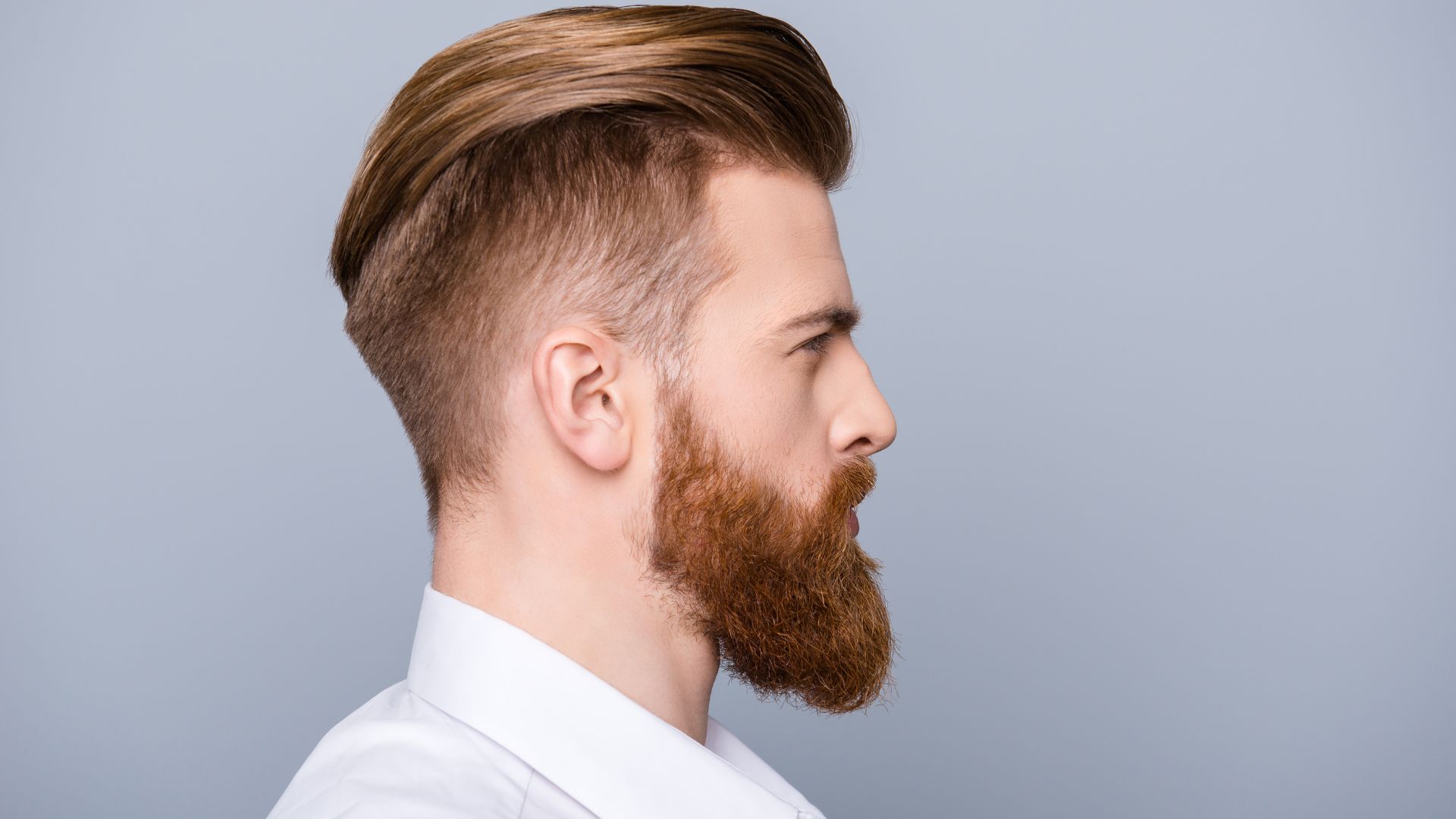
While many people focus solely on how their haircut looks from the front, the side and back views are equally important for a truly balanced and aesthetic appearance. A hairstyle should complement the natural shape of your head from every angle, creating a cohesive look that enhances your unique features. For individuals with prominent profiles, such as a strong nose or defined jawline, hairstyles that add volume at the crown or a soft taper at the sides can complement these features effortlessly.
Additionally, the curvature of the skull and the position of the neck play a role in determining how the back of a haircut should appear. A taper fade, for example, can accentuate a well-defined neckline, while leaving the back slightly longer can soften sharp angles for a more understated appearance. A professional stylist takes all these factors into account, using tools like mirrors and angles to show you how your hairstyle aligns with the rest of your face and head structure. The result is a haircut that not only looks great from the front but adds dimension and balance when viewed in its entirety.
13. Trust Your Gut Feeling
When it comes to choosing a hairstyle, one of the most important factors is trusting your intuition. Your gut feeling often acts as an internal guide, giving you subtle cues about what feels right or wrong. If a particular style makes you feel excited and eager to try it, there’s a good chance it will resonate with your personality and suit your overall look. That feeling of enthusiasm is an indicator that you’re on the right track.
Conversely, if you have any lingering doubts or something feels off, it’s worth taking a step back and reconsidering your options. Second-guessing yourself could be a sign that the style may not align with your preferences, comfort, or the image you want to project. Remember, the goal is to feel confident and authentic in your choice. Confidence is the most attractive feature that anyone can wear, and it often stems from feeling at ease with your decisions.
Conclusion
Choosing a new hairstyle doesn’t have to feel like a daunting or overwhelming task. By thoughtfully considering factors such as your face shape, lifestyle, hair texture, and personal preferences, you can arrive at a decision that perfectly complements your unique self. And just as important as these factors is listening to your intuition—trusting your gut ensures that the hairstyle you choose also feels right on a deeper level.
The perfect haircut goes beyond aesthetics. It’s about enhancing your natural features, aligning with your personal sense of style, and most importantly, boosting your self-assurance. When a haircut feels right, it has the power to transform not just your appearance but also your confidence and the way you carry yourself.