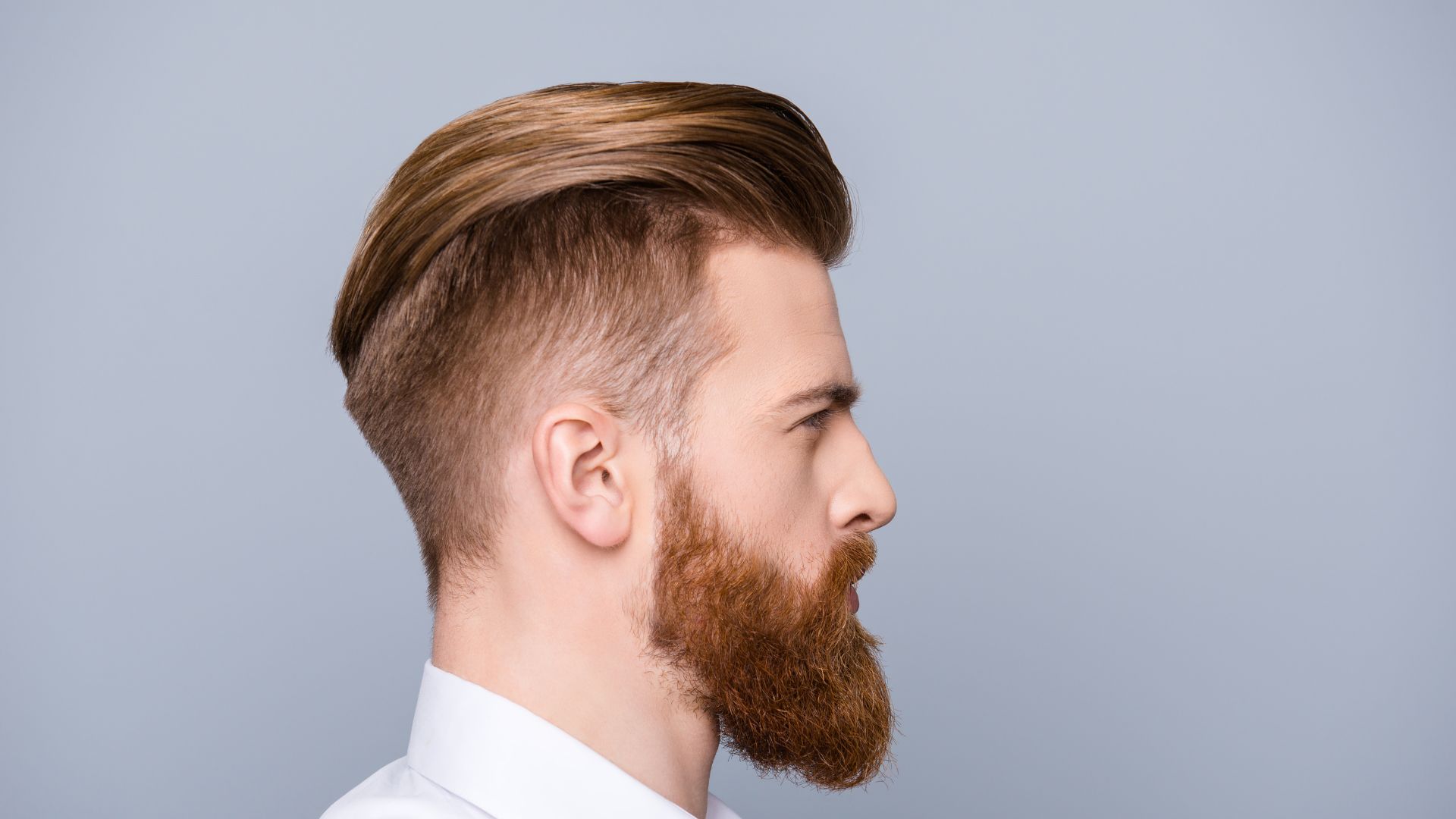
The fade haircut has firmly established itself as a cornerstone of modern men’s grooming. It is a technique rather than a single haircut, involving a gradual transition from short hair to longer hair, creating a seamless “faded” effect on the sides and back of the head. This versatility allows the fade to be paired with almost any hairstyle on top, from buzz cuts and pompadours to long curls and textured crops. Whether you prefer a sharp, high-contrast look or a subtle, professional taper, there is a variation of the fade that will suit your face shape and personal aesthetic perfectly.
Choosing the right fade can completely transform your appearance, adding structure to your face and keeping you looking fresh. However, with so many different types of fades available—low, mid, high, skin, drop, and burst, to name a few—knowing what to ask for can be confusing. It is often helpful to understand the nuances of each style before sitting in the barber’s chair. This guide breaks down fourteen essential fade styles that every man should consider trying at least once in his life. Experimenting with these different cuts can help you discover a new signature look that boosts your confidence and keeps your style game strong.
1. The Low Fade
The low fade is an excellent entry point for anyone new to fading or for professionals who need a conservative, clean-cut appearance. This style starts the tapering process very low on the head, usually just above the ears and curving down around the neckline. Because the transition happens so gradually and sits lower down, it maintains more hair on the sides compared to other fade styles. This creates a more grounded, rectangular silhouette that flatters men with oval or diamond face shapes. It provides a neat and tidy finish without exposing too much scalp, making it suitable for strict office environments.
Maintaining a low fade is relatively easy, as the growth is less noticeable than with higher fades. It pairs beautifully with longer hairstyles on top, such as a slick back, a side part, or even messy waves. The contrast between the longer top and the slightly shorter sides is subtle but effective, drawing attention to the texture of the hair without dominating the overall look. It is a timeless choice that offers the best of both worlds: the sharpness of a fresh cut and the fullness of a traditional hairstyle. If you want a modern update to a classic look, the low fade is the perfect place to start.
2. The Mid Fade
The mid fade is the happy medium of the fade world, striking a perfect balance between the subtlety of the low fade and the boldness of the high fade. As the name suggests, the fading starts right in the middle of the head, typically in line with the temples. This cut offers a versatile canvas that works well with a wide variety of hair types and lengths on top. It exposes a bit more skin than the low fade, giving the haircut a cleaner, more deliberate structure. When you visit a barbershop, this is often the standard recommendation if you are unsure which fade height to choose, as it suits almost every head shape.
Because the transition point is higher, the mid fade creates a nice visual separation between the top and the sides. This makes it an ideal companion for voluminous styles like a pompadour or a quiff, as it removes weight from the sides to emphasize the height on top. It is also a fantastic option for men with thick hair, as it reduces bulk significantly. The mid fade is trendy but not overly aggressive, making it a reliable choice for men of all ages. It requires regular maintenance to keep the transition smooth, but the sharp, balanced result is well worth the effort.
3. The High Fade
The high fade is a bold, high-contrast style that is perfect for men who want a look that is edgy and assertive. In this cut, the fading begins high up on the head, usually around the temple peaks or just below the crown. This means that a large portion of the sides and back are cut very short, often down to the skin, leaving a distinct “mop” of hair on top. This drastic difference in length draws the eye immediately to the styling on top of the head. It is a favorite among athletes and fashion-forward individuals who want a haircut that makes a statement.
This style is particularly effective for slimming down the face, as it removes width from the sides entirely. It works exceptionally well with short styles like buzz cuts, crew cuts, or textured crops. The high fade keeps you cool during the summer months and requires zero styling effort on the sides, though you will need frequent trims to keep it looking crisp. Because the transition happens quickly near the top, it creates a square, masculine silhouette. If you are ready to embrace a sharp, military-inspired aesthetic with a modern twist, the high fade is a must-try.
4. The Skin Fade (Bald Fade)
The skin fade, also known as a bald fade, takes the concept of tapering to its extreme by blending the hair down to bare skin. Unlike a standard fade which might end at a very short stubble length, the skin fade utilizes a foil shaver or straight razor to remove the hair completely at the bottom. This creates an incredibly sharp and high-contrast finish that looks immaculate. It elevates any haircut, turning a simple style into a Refined Look that demands attention. The seamless gradient from skin to hair demonstrates the skill of your barber and adds a level of polish that other cuts cannot match.
This type of fade can be incorporated into low, mid, or high variations, depending on how much skin you want to show. It is incredibly refreshing and clean, making it a popular choice for summer or warmer climates. However, it is also the highest-maintenance fade on this list. Once the hair starts to grow back even slightly, the “skin” effect is lost, so you may need to visit the barber every two weeks to maintain that pristine appearance. Despite the upkeep, the skin fade is unmatched in its sleekness and ability to highlight facial features, particularly the jawline and cheekbones.
5. The Drop Fade
The drop fade gets its name from the way the fade line “drops” or curves downward as it passes behind the ear towards the neckline. Instead of following a straight horizontal line around the head, the taper follows the natural curvature of the skull. This creates a unique, arc-shaped silhouette that looks dynamic and stylish. The drop allows for more coverage at the crown of the head while still keeping the hairline around the neck and ears tight and clean. It adds a touch of flair and geometry to the haircut that sets it apart from standard fades.
This style is particularly flattering because it mimics the natural shape of the head, avoiding any harsh or boxy lines. It works well with textured styles on top, such as curls, afros, or messy crops. The drop at the back adds visual weight to the crown, which can be beneficial for men who want to keep the back of their head looking full. It is a modern, sophisticated twist on the classic fade that offers a bit more character. Whether you choose a low drop or a high drop, the curved line adds an element of flow and movement to your profile.
6. The Burst Fade
The burst fade is a specialized fade that curves around the ear, resembling a sunburst pattern. It leaves the hair at the back of the neck longer, often connecting to a mohawk or a mullet style. The fading is concentrated primarily in a semi-circle around the ears, creating a distinct and eye-catching shape. This cut has gained massive popularity in recent years, especially among athletes and those with curly or textured Short Hair. It provides a clean, faded look around the ears while allowing for significant length and volume at the back, offering a best-of-both-worlds scenario.
While typically associated with the “South of France” haircut or a modern mohawk, the burst fade can be adapted to be more subtle. It is a fantastic way to add edge to a haircut without committing to shaving the entire sides of the head. It highlights the profile of the face and works exceptionally well with wide or round head shapes, as the fade breaks up the width. Maintaining the distinct curved line requires a skilled hand, so it is important to go to an experienced stylist. If you are looking for a cut that is sporty, trendy, and full of personality, the burst fade is an excellent contender.
7. The Taper Fade
The taper fade is often the most requested haircut because it is subtle, professional, and timeless. Unlike other fades that might take the skin or very short hair high up the head, a taper fade keeps the very short sections limited to the sideburns and the neckline. The rest of the hair on the sides is scissor-cut or clipper-cut to a moderate length. This creates a very natural, grown-out look that is neat without being severe. It is the quintessential gentleman’s haircut, perfect for business settings where a skin fade might be deemed too aggressive.
Because it leaves more hair on the sides, the taper fade grows out very gracefully. You won’t have a harsh line of demarcation as your hair gets longer. It works beautifully with classic styles like a side part or a slick back, but it also complements modern messy styles. The focus here is on clean edges and a sharp outline rather than a dramatic gradient. It cleans up the perimeter of the haircut while maintaining the overall shape and fullness. If you want a haircut that looks polished and classic but still modern, the taper fade is the ideal choice.
8. The Temple Fade (Brooklyn Fade)
The temple fade, also known as a temp fade or Brooklyn fade, focuses the fading specifically around the temples and sideburns. The rest of the hair on the sides and back is usually kept at the same length or tapered very slightly. This style is famously used to sharpen up edges and line-ups without removing too much bulk from the sides. It is a staple in many urban styles and is fantastic for framing the face. If you search for a “barbershop near me” to get a quick cleanup, asking for a temple fade is a great way to refresh your look without getting a full haircut.
This specific type of fade is often paired with an afro, twists, or waves. It creates a sharp, geometric box shape at the hairline that looks incredibly crisp. The transition at the temples can be taken down to the skin for high contrast or kept dark for a softer look. It is a low-commitment fade that allows you to experiment with detailing without altering your entire hairstyle. The temple fade draws attention to the eyes and the brow line, adding definition to the upper face. It is a precise, detailed cut that shows you care about the finer points of grooming.
9. The Razor Fade
The razor fade is distinct not necessarily because of the height or shape of the fade, but because of the tool used to achieve it. While most fades are done with electric clippers, a razor fade involves a straight razor to finish the shortest part of the cut. This results in the closest possible shave at the bottom, smoother than any electric shaver can achieve. It creates a texture and a finish that is incredibly smooth to the touch. The transition from the razor-shaved skin to the hair is often very sharp and deliberate, creating a look that is rugged yet refined.
Choosing a razor fade is an experience in itself. It usually involves hot towels and shaving cream, adding a luxurious element to your barbershop visit. The visual result is a high-definition gradient that really pops. It is ideal for men with straight, thick hair where the contrast can be seen clearly. However, because it involves a blade directly on the skin, men with very sensitive skin should be cautious. If your skin can handle it, the razor fade offers a level of crispness and cleanliness that is unparalleled, giving your haircut a premium, bespoke feel.
10. The Scissor Fade
For men who prefer a softer, more natural transition, the scissor fade is the perfect option. Instead of using clippers to buzz the hair down, the barber uses scissors and a comb to taper the hair by hand. This technique allows for a much more customized shape that follows the contours of the head more naturally than a clipper guard. The result is a fade that is less “blurry” and precise than a clipper fade, but softer and more textured. It looks less like a fresh barber cut and more like a naturally tailored style.
The scissor fade is excellent for men with fine hair or for those who don’t want to see any scalp. It creates a relaxed, effortless aesthetic that pairs well with longer, shaggy styles on top. It is also a great choice for conservative work environments where clipper cuts are frowned upon. The grow-out phase is very forgiving, as there are no harsh lines to lose their shape. It requires a barber with significant skill in scissor-over-comb techniques. This fade is all about subtlety and texture, offering a sophisticated alternative to the buzz of the clippers.
11. The Undercut Fade
The undercut fade combines two popular styles: the disconnected undercut and the smooth gradient of a fade. In a traditional undercut, there is a harsh line between the long top and shaved sides. In an undercut fade, that harsh line is softened slightly by fading the very top of the sides into the shorter length below, or by fading the disconnected sides down to the skin. It maintains the distinct disconnection that makes the undercut so cool, but adds a polished finish to the lower half of the head. It is a style full of contrast and attitude.
This cut is fantastic for managing thick or unruly hair, as the sides are kept very short to reduce volume. The top can be worn slicked back, in a pompadour, or messy and textured. The fade element adds a layer of complexity to the simple undercut, making it look more technical and modern. It is a versatile look that can be styled to be punk-rock edgy or boardroom sleek depending on the product you use. The undercut fade is a bold choice that emphasizes the length on top while keeping the sides tight and controlled.
12. The Pompadour Fade
While the pompadour is a hairstyle for the top of the head, pairing it with a fade creates a specific, iconic look known as the pompadour fade. This style relies on the contrast between the voluminous, swept-back hair on top and the tightly faded sides to create a dramatic silhouette. The fade—usually a mid or high skin fade—eliminates width on the sides, which visually forces the eye upward to the pomp. This height can make the face appear longer and leaner, adding a sense of stature and presence to the wearer.
The key to this look is the blend. The fade must seamlessly transition into the longer hair at the parietal ridge to support the heavy top without creating a “mushroom” effect. It is a high-maintenance style that requires blow-drying and product to maintain the volume on top, as well as regular barber visits to keep the sides sharp. However, the effort results in one of the most stylish and confident looks a man can wear. It channels a vintage rock-and-roll vibe updated for the 21st century. It is a power haircut that works for special occasions and daily wear alike.
13. The Comb Over Fade
The comb over fade is the modern update to the classic side part. Instead of the scissors-only cut of the past, this version features a hard part and faded sides. The hair is combed to one side, creating a neat and structured appearance. The fade adds a contemporary edge to what is otherwise a very traditional, conservative look. It is incredibly popular because it is universally flattering and suitable for almost any occasion, from the gym to a wedding. It is clean, masculine, and easy to style.
You can customize this cut with different fade heights. A low fade makes it look more professional and understated, while a high skin fade makes it look bold and trendy. The hard part—a line shaved into the scalp with a razor—adds definition and makes finding your part in the morning effortless. This style works well for men with straight or wavy hair. It creates a sharp, asymmetrical look that is balanced by the clean gradient on the sides. The comb over fade is a reliable, go-to style that guarantees you look put-together.
14. The Faux Hawk Fade
The faux hawk fade is a less intense, more wearable version of the mohawk. It mimics the silhouette of a mohawk with hair that is longer in the center and shorter on the sides, but without the completely shaved sides of the punk original. Instead, the sides are faded smoothly into the longer strip on top. This creates a spiked, textured look that is edgy but still acceptable in most casual and creative work settings. It is a fun, youthful style that adds height and energy to your appearance.
This fade allows for a lot of creativity. You can keep the strip on top wide and messy for a subtle look, or narrow and spiked for more drama. A burst fade is often used in conjunction with a faux hawk to enhance the shape. Styling is quick and easy with a bit of wax or clay to hold the hair up and toward the center. It is a great option for men with thick, coarse hair that naturally stands up. The faux hawk fade offers a way to express a rebellious streak without committing to an extreme haircut, blending attitude with modern barbering precision.
Conclusion
Exploring the world of fades opens up a vast array of styling possibilities. From the subtle elegance of a taper fade to the bold statement of a high skin fade, there is a variation to suit every personality, hair type, and lifestyle. Trying different fades allows you to experiment with your image, highlighting different facial features and changing your overall vibe. It is a relatively low-risk way to refresh your look, as hair always grows back.
Don’t be afraid to consult with your barber about which fade would best complement your head shape and hair texture. Bringing a picture of the style you want to try is always a good idea. By stepping out of your comfort zone and trying one of these fourteen essential fades, you might just find the perfect haircut that makes you look and feel your absolute best.