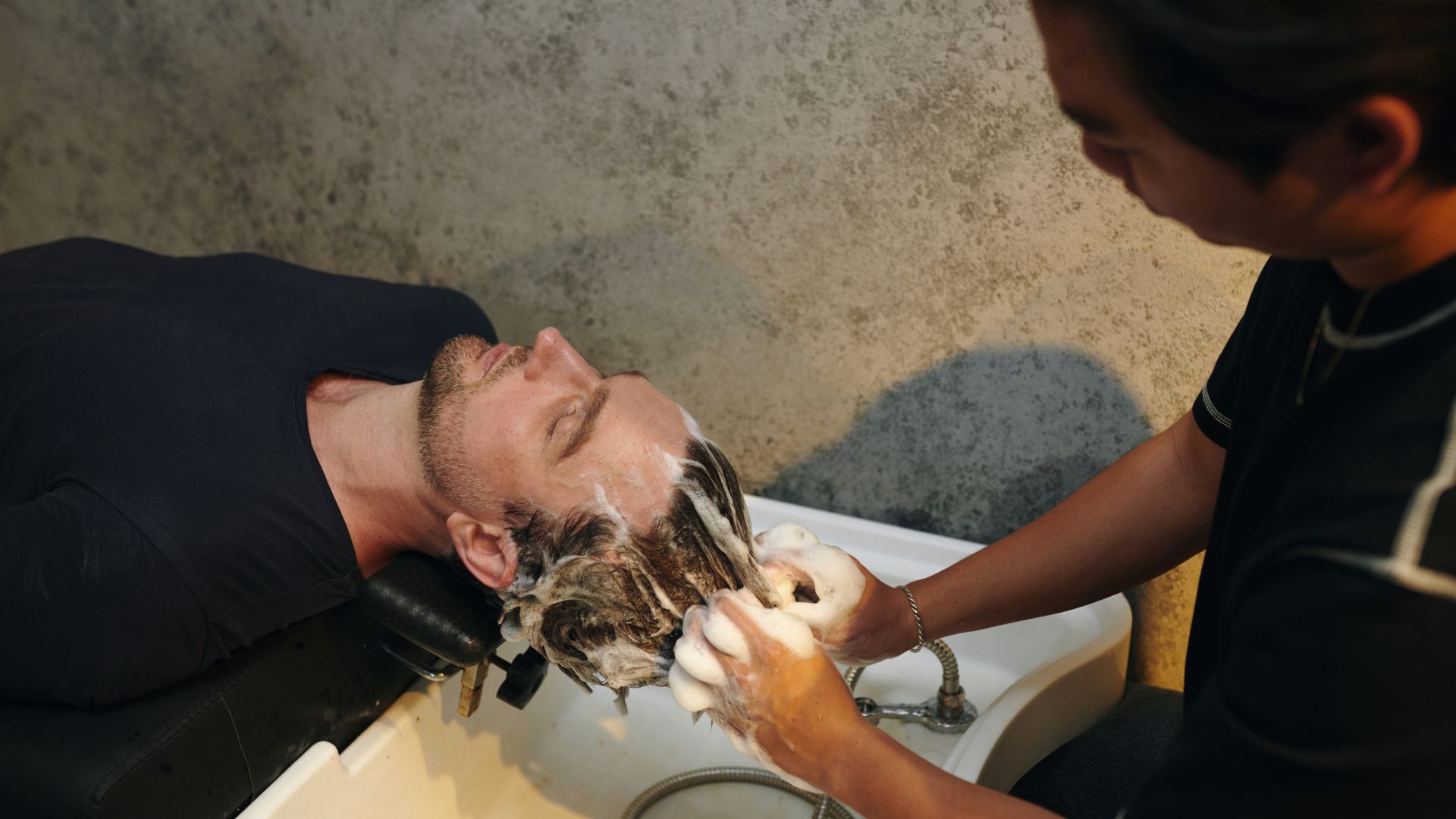
Washing your hair seems like the most basic part of personal hygiene. You wet your hair, apply some shampoo, scrub, rinse, and repeat with conditioner. It is a routine that most people perform automatically without giving it a second thought. However, despite its simplicity, many people are actually washing their hair incorrectly. Using the wrong water temperature, applying products to the wrong areas, or being too rough with wet strands can lead to long-term damage, dryness, and a lackluster appearance. Proper hair cleansing is the foundation of any good hair care regimen, setting the stage for better styling and overall scalp health.
By making small, professional adjustments to your shower routine, you can significantly improve the texture and strength of your hair. These changes do not require expensive products or hours of extra time; they simply require a better understanding of how hair reacts to water and ingredients. This guide breaks down fourteen essential tips that stylists and dermatologists recommend for achieving a salon-quality wash at home. From preparation to the final rinse, mastering these steps will ensure your hair remains vibrant, clean, and healthy for years to come.
1. Detangle Before You Wet
One of the most common mistakes people make is jumping straight into the shower with tangled hair. When hair is wet, it becomes significantly more elastic and fragile, making it much more prone to breakage. If you try to work shampoo through knots that are already there, you will likely tighten them further, leading to a painful detangling session later that snaps healthy strands. Taking a few minutes to brush your hair while it is dry is a crucial preventative measure. Start from the ends and gently work your way up to the roots to remove loose hair and smooth out any snarls.
This pre-wash step also helps to loosen dirt, dead skin cells, and product buildup from the scalp before the water even touches your head. By lifting these impurities, you allow the shampoo to penetrate more effectively and clean deeper. Using a wide-tooth comb or a brush specifically designed for your hair type ensures that you are gentle on the cuticle. This simple habit prepares your canvas, ensuring that the washing process is smooth and efficient. It minimizes mechanical damage during scrubbing and ensures that water and product can reach every strand evenly.
2. Soak Your Hair Thoroughly
Before reaching for the shampoo bottle, it is vital to ensure that every strand of hair is completely saturated with water. Many people rush this step, leaving dry pockets underneath the top layer of hair. Shampoo relies on water to create a lather and spread evenly across the scalp. If the hair is only damp, you will find yourself using more product than necessary to compensate, which is both wasteful and potentially drying. Stand under the water for at least a full minute, using your fingers to separate sections and let the water reach the scalp.
Allowing the hair to soak also helps to open up the hair cuticles slightly, which prepares them to release dirt and absorb the cleansing agents. In a professional setting, like a high-end New York Barbershop, you will notice that the barber spends a significant amount of time just wetting the hair before applying any cleanser. This ensures that the shampoo can do its job effectively without harsh scrubbing. Warm water is best for this stage, as it helps to dissolve oils and opens the pores, setting the stage for a truly deep clean.
3. Use the Correct Water Temperature
The temperature of the water plays a massive role in the health of your hair and scalp. While a steaming hot shower might feel relaxing for your muscles, it can be disastrous for your hair. Hot water strips away the natural oils (sebum) that protect the scalp and keep hair moisturized. This can lead to a dry, itchy scalp and hair that looks frizzy and brittle. Over time, consistent exposure to scalding water can fade hair color and weaken the hair structure.
Instead, professionals recommend washing with warm or lukewarm water. Warm water is effective enough to break down grime and product buildup without causing excessive dryness. It strikes the perfect balance, allowing the shampoo to lather and clean effectively while preserving the hair’s natural moisture barrier. If you enjoy hot showers, try to lower the temperature just for the hair-washing portion of your routine, or wash your hair separately. Treating your hair with gentle, moderate temperatures is one of the easiest ways to maintain its shine and integrity.
4. Focus Shampoo on the Scalp
A common misconception is that you need to scrub shampoo into the entire length of your hair, all the way down to the ends. However, the hair nearest the scalp is the youngest and oiliest, while the ends are the oldest and driest. Scrubbing the ends with harsh detergents can strip them of necessary moisture, leading to split ends and breakage. The primary goal of shampooing is to cleanse the scalp of oil, sweat, and dead skin. Therefore, you should concentrate your product application and scrubbing efforts solely on the roots.
As you rinse the shampoo out, the suds will naturally travel down the length of the hair, cleansing the mid-lengths and ends gently without the need for active scrubbing. This technique preserves the health of the fragile ends while ensuring the scalp gets the attention it needs. While working the shampoo in, incorporate a gentle Scalp Massage using the pads of your fingers—never your nails. This not only helps to dislodge dirt and debris but also increases blood circulation to the hair follicles, promoting a healthier environment for hair growth.
5. Don’t Over-Shampoo
Determining how often to wash your hair is a personal journey that depends on your hair type and lifestyle, but washing too frequently is a widespread issue. Daily washing can send the scalp into overdrive; as you strip away natural oils, the sebaceous glands may produce even more oil to compensate, leading to a greasy cycle. For most people, washing every two to three days is sufficient to keep hair clean without drying it out. If you have very dry or coarse hair, you might be able to go even longer between washes.
Listen to your hair’s needs rather than sticking to a rigid daily schedule. On days when you don’t use shampoo, you can simply rinse with water or use a conditioner alone to refresh your style. Dry shampoo is also a helpful tool for extending the life of a wash, absorbing excess oil at the roots. By reducing the frequency of shampooing, you allow your natural oils to nourish the hair shaft, resulting in softer, more manageable hair over time. It is about finding the sweet spot where your scalp feels clean but your hair retains its natural hydration.
6. Choose the Right Shampoo for Your Hair Type
Not all shampoos are created equal, and using a product that isn’t suited to your specific needs can hinder your hair goals. Volume shampoos, moisturizing shampoos, and clarifying shampoos all have different formulations designed for specific textures and conditions. For example, if you have fine, limp hair, a heavy moisturizing shampoo might weigh it down and make it look greasy. Conversely, someone with thick, Curly Hair requires intense hydration and should look for sulfate-free, creamy formulas that define curls without stripping moisture.
Take the time to read the labels and understand what ingredients are best for you. If you have color-treated hair, use a specialized color-safe shampoo to prevent fading. If you use a lot of styling products, incorporate a clarifying shampoo once a week to remove buildup. Using the wrong product can make your hair unmanageable, no matter how good your washing technique is. Treating your hair type with specific, targeted ingredients ensures that you are addressing its unique challenges and enhancing its natural beauty.
7. Rinse thoroughly
Leaving residue behind is one of the main reasons hair can look dull or feel heavy immediately after washing. It is crucial to rinse your hair until the water runs completely clear and there are no bubbles left. Shampoo residue left on the scalp can cause irritation, itchiness, and even dandruff-like flaking. Conditioner residue can attract dirt and pollution, making your hair get dirty faster than usual.
Spend extra time rinsing, especially if you have thick or dense hair where product can easily get trapped near the roots. Lift sections of your hair to let the water reach the scalp directly. If you feel a slimy or slippery texture, keep rinsing. Your hair should feel clean—some describe it as “squeaky clean,” though it shouldn’t feel stripped. A proper rinse ensures that your hair is light, bouncy, and ready for styling. It is a simple step that requires patience but makes a massive difference in the longevity of your wash.
8. Apply Conditioner to the Ends Only
While shampoo belongs on the scalp, conditioner is meant for the mid-lengths and ends. The hair near the scalp is naturally moisturized by the oils produced by your skin. Applying conditioner to the roots can weigh the hair down, reduce volume, and make the scalp look greasy within hours of washing. The ends of your hair are the oldest, driest, and most damaged parts, so they require the most hydration and repair.
Start applying conditioner about mid-way down the hair shaft and work it through to the tips. Use your fingers or a wide-tooth comb to distribute the product evenly and detangle any knots that may have formed during washing. Allow the conditioner to sit for the recommended time—usually a few minutes—to let the ingredients penetrate the cuticle. A professional New York Barber will often advise keeping heavy conditioning products away from the scalp to maintain volume and ensure the style holds up better throughout the day.
9. Use a Deep Conditioner Weekly
Regular conditioner is great for daily maintenance, but most hair types benefit from a deeper treatment once a week. Deep conditioners or hair masks contain more concentrated ingredients that penetrate deeper into the hair shaft to repair damage and restore elasticity. This is especially important for hair that is heat-styled often, chemically treated, or exposed to harsh environmental factors.
Replace your regular conditioner with a mask once a week. After shampooing, squeeze out excess water before applying the mask to ensure it isn’t diluted. Leave it on for at least 5 to 10 minutes, or longer if the instructions permit. The result is hair that feels significantly softer, stronger, and more resilient. This weekly ritual helps to reverse accumulated damage and keeps hair looking salon-fresh. It provides an intense moisture boost that regular conditioners simply cannot match.
10. Finish with a Cool Rinse
While warm water is best for washing, cool water is ideal for the final rinse. Warm water opens the hair cuticle, which is great for cleaning and letting conditioner in, but you want to close that cuticle before you step out of the shower. A cool water rinse helps to seal the cuticle layer, laying it flat. A flat cuticle reflects light better, which makes your hair look shinier and smoother.
Additionally, sealing the cuticle helps to lock in the moisture from your conditioner, preventing frizz and dryness. It doesn’t have to be freezing cold; even a lukewarm or cool temperature is sufficient to get the benefits. This shock of cool water can also feel refreshing on the scalp and may help to soothe any irritation. It is a quick, professional trick that adds a glossy finish to your hair without any extra products.
11. Be Gentle with Wet Hair
Hair is at its weakest and most vulnerable state when it is wet. The chemical bonds that give hair its strength are temporarily altered by water, meaning wet hair can stretch and snap much more easily than dry hair. Avoid vigorous scrubbing, twisting, or pulling while in the shower. When towel-drying, never rub your hair aggressively with a terry cloth towel. This friction roughens up the cuticle, causing frizz and breakage.
Instead, gently squeeze excess water out of your hair with your hands. If you use a towel, blot and pat the hair dry rather than rubbing it. Ideally, switch to a microfiber towel or an old soft cotton t-shirt. These materials are much smoother and more absorbent, wicking away moisture without causing friction damage. Treating wet hair with extreme care preserves its elasticity and prevents the “halo” of broken flyaways that often plagues people who towel-dry too roughly.
12. Clarify When Necessary
Over time, styling products, hard water minerals, and natural oils can build up on the hair and scalp, creating a barrier that regular shampoo can’t break through. This buildup can leave hair looking dull, limp, and lifeless, and can even prevent conditioners from working effectively. To combat this, introduce a clarifying shampoo into your routine once or twice a month. These shampoos have stronger surfactants designed to strip away stubborn residue.
However, because they are so effective at stripping buildup, they can also be drying if used too often. Use them sparingly and always follow up with a deep conditioner to restore moisture. Clarifying resets your hair, giving you a fresh slate. If you notice your usual products aren’t working as well as they used to, or your hair feels heavy despite being clean, a clarifying wash is likely the solution needed to restore bounce and shine.
13. Clean Your Hair Tools
You can wash your hair perfectly, but if you then use a dirty brush or comb, you are reintroducing oil, dirt, and old product right back onto your clean strands. Hairbrushes collect dust, lint, dead skin cells, and residue from styling products. Using a dirty tool effectively undoes the work of washing your hair. Make it a habit to remove loose hair from your brushes after every use.
Once a month, give your brushes and combs a proper wash. Soak them in a mixture of warm water and gentle shampoo to break down the buildup. Use an old toothbrush to scrub between the bristles if necessary. Rinse them thoroughly and let them air dry completely. Keeping your tools clean ensures that your hair stays cleaner for longer and prevents bacteria from transferring to your scalp. It is a hygiene step often overlooked but essential for overall hair health.
14. Protect Your Hair While You Sleep
The care you take washing your hair can be undone while you sleep if you aren’t careful. Cotton pillowcases can be rough on hair strands, causing friction that leads to tangles, frizz, and breakage as you toss and turn. Cotton also absorbs moisture, which can dry out your hair overnight. To protect your freshly washed hair, consider switching to a silk or satin pillowcase.
These materials allow the hair to glide smoothly over the surface, reducing friction and preserving your style. Alternatively, you can wrap your hair in a silk scarf or bonnet. This not only protects the hair structure but also helps to keep it clean by preventing it from rubbing against bedding that may have oils or residue. Protecting your hair at night extends the life of your wash and ensures you wake up with smoother, more manageable hair.
Conclusion
Washing your hair correctly is about more than just hygiene; it is a critical component of hair health and maintenance. By incorporating these fourteen professional tips into your routine, you can transform the texture and appearance of your hair. From the temperature of the water to the way you handle wet strands, every detail matters. Small adjustments, like focusing shampoo on the scalp and conditioner on the ends, or switching to a microfiber towel, can prevent damage and promote long-term vitality.
Start implementing these changes today, and you will likely notice a difference in how your hair feels and behaves. It will be softer, shinier, and easier to style. Remember that consistency is key. Treating your hair with gentleness and understanding its specific needs will pay off, giving you the healthy, resilient foundation required for any great hairstyle. Proper washing is the first step towards your best hair days.