
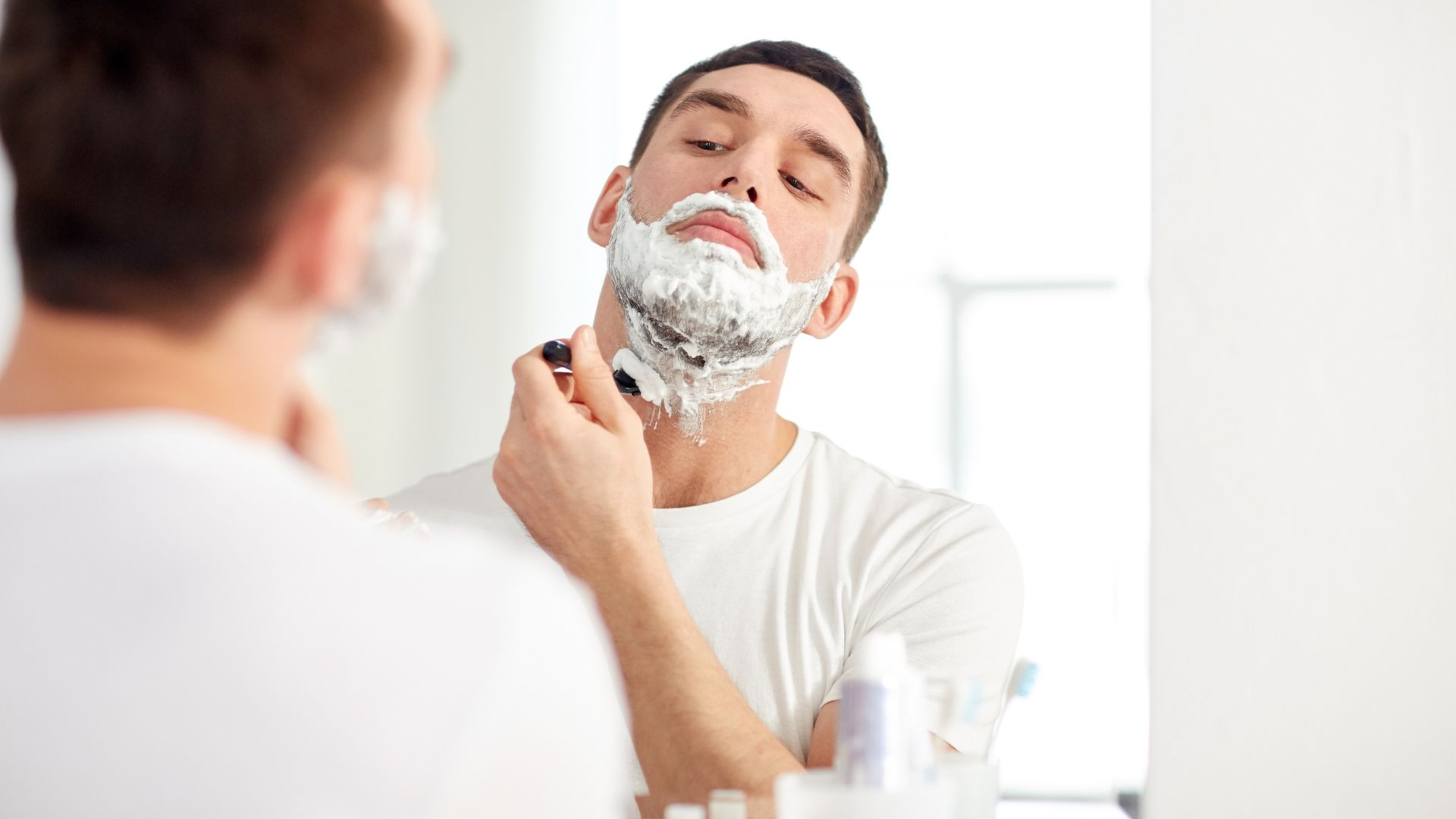
Shaving is a daily ritual for millions of men, but it is often performed on autopilot, rushed between a morning coffee and the start of a busy day. This haste can lead to common problems like razor burn, nicks, cuts, and painful ingrown hairs. While it may seem like a simple task, a safe and comfortable shave is a skill that requires proper technique, the right tools, and a little bit of patience. Treating your shave as a deliberate grooming practice rather than a chore can dramatically improve the health and appearance of your skin.
Achieving a barbershop-quality shave at home is entirely possible, but it means moving beyond the quick, dry scrape with a disposable razor. It involves preparing the skin, understanding the direction of your hair growth, and caring for your skin after the shave is complete. These steps are not just about luxury; they are about safety and preventing the irritation that can plague so many. This guide provides fourteen essential safety tips to help you transform your home shaving routine, ensuring you get a close, smooth result without the painful side effects.
1. Prepare Your Skin with Warm Water
One of the biggest mistakes people make when shaving is starting with cold, dry skin. Cold skin is tight, and the hair follicles are closed, making the hair stiff and resistant to the razor blade. Attempting to shave under these conditions forces you to apply more pressure, which dramatically increases the risk of nicks, cuts, and irritation. The single most important step for a safe shave is to properly prepare your skin with warmth and moisture. The easiest way to do this is to shave immediately after a hot shower. The steam and warm water will have already opened up your pores and softened both your skin and your facial hair.
If you are not showering right before you shave, you can replicate this effect by applying a hot towel to your face. Simply soak a clean washcloth in hot water—not scalding, but comfortably warm—wring it out, and hold it against the area you plan to shave for at least two minutes. This process softens the hair, making it much easier for the razor to cut through cleanly. It also helps to relax the skin and bring any trapped hairs to the surface. This simple preparation step reduces the drag of the blade across your face, leading to a much smoother, safer, and more comfortable shave.
2. Always Use a Sharp, Clean Blade
Using a dull razor blade is one of the leading causes of razor burn, tugging, and skin irritation. A dull blade does not slice cleanly through the hair; instead, it pulls and rips at it, which can be painful and cause inflammation at the follicle. It also forces you to go over the same spot multiple times, increasing friction and the likelihood of scraping off a layer of skin. For a safe shave, you must use a sharp blade every time. How often you need to change your blade depends on the type of razor you use and the thickness of your beard, but a general rule is to replace a cartridge razor blade after five to seven shaves. If you ever feel the blade tugging at your hair, it is time for a new one. It might seem like a small detail, but it makes a world of difference.
Blade hygiene is also crucial for preventing skin infections. Old blades can harbor bacteria, which can enter your skin through tiny nicks or scrapes, leading to folliculitis or other irritations. Always rinse your razor thoroughly with hot water after each use to remove any hair and shaving cream residue. Store your razor in a dry place, preferably upright in a stand, rather than on a wet sink counter or in the shower. A dry environment prevents bacteria from growing and also helps prevent the blade from rusting prematurely. While getting a professional Shave in New York ensures a sterile blade, at home, this responsibility falls on you.
3. Lather Up with Quality Shaving Cream or Gel
Never shave on dry skin. Shaving without a protective barrier is like trying to slide down a rough surface without any lubrication—it is going to be a painful, abrasive experience. A high-quality shaving cream, gel, or soap is essential for a safe shave. These products serve two main purposes: they hydrate the hair, making it softer and easier to cut, and they create a slick, protective layer over your skin. This layer allows the razor to glide smoothly across the surface instead of dragging and scraping, which is the primary cause of razor burn.
When applying your shaving cream, take the time to work it into your stubble. Using a shave brush can be particularly effective, as the bristles help to lift the hair away from the skin, allowing the blade to cut it more cleanly. The gentle, circular motion of the brush also helps to exfoliate the skin lightly. Let the shaving cream sit on your face for a minute or two before you start shaving. This gives it time to fully soften the hairs. Avoid cheap, aerosol foams that are mostly air and contain drying alcohols. Instead, opt for creams and gels with moisturizing ingredients like glycerin or aloe vera that will protect and nourish your skin.
4. Understand Your Hair Growth Pattern
Shaving against the grain—that is, in the opposite direction of your hair growth—can give you a closer shave, but it also dramatically increases the risk of razor burn and ingrown hairs. When you shave against the grain, the blade can cut the hair below the skin’s surface. As the hair regrows, it can curl back and get trapped under the skin, leading to painful, inflamed bumps. For a safer daily shave, it is always recommended to shave with the grain. This might not feel as smooth initially, but it is much gentler on your skin. These are the kinds of Grooming Tips that make a long-term difference in skin health.
To figure out your hair growth pattern, let your stubble grow for a day or two and then run your fingers across your face and neck. The direction in which it feels smoothest is “with the grain,” and the direction in which it feels rough and prickly is “against the grain.” You may find that your hair grows in different directions on different parts of your face, such as downwards on your cheeks but sideways on your neck. Pay attention to this “beard map” and adjust the direction of your razor strokes accordingly. This simple change in technique is one of the most effective ways to prevent irritation.
5. Use Light, Gentle Strokes
Many men believe that pressing the razor harder against their skin will result in a closer shave. This is a myth. A sharp blade does not require pressure to do its job; it should glide over the skin and slice the hair effortlessly. Applying too much pressure is a direct path to nicks, cuts, and serious razor burn. The weight of the razor handle itself is usually enough pressure. Your job is to simply guide the blade in the right direction. Let the razor do the work for you.
If you feel like you need to press hard to get a clean cut, it is a sign that your blade is dull and needs to be replaced. Focus on using short, light strokes, and rinse the blade with hot water after every one or two strokes. This keeps the blade free of hair and shaving cream buildup, allowing it to work efficiently. A clogged razor is an ineffective razor. By adopting a gentler touch, you will find that your shave is not only safer but also more comfortable and just as close. Your skin will thank you for it.
6. Take Your Time
Rushing through a shave is one of the easiest ways to end up with cuts and irritation. Shaving should be a mindful process, not a frantic race against the clock. Set aside enough time in your morning routine so that you are not in a hurry. When you rush, you are more likely to use sloppy technique, apply too much pressure, or miss spots. This often forces you to go back over areas without lather, which is a major cause of razor burn. Slowing down allows you to pay attention to what you are doing, focusing on your angles and the direction of your strokes.
The process of shaving can actually be a relaxing, almost meditative ritual to start your day. It is a few minutes you can take for yourself before the chaos begins. By turning shaving from a chore into a self-care practice, you are more likely to do it correctly and safely. Many Must-Have Products, like pre-shave oils and high-quality brushes, are designed to enhance this experience. Rushing defeats the purpose of these products. Give yourself the time to properly prepare your skin, lather up, and shave with deliberate, careful strokes. The difference in the result will be immediately noticeable.
7. Handle Nicks and Cuts Properly
Even with the most careful technique, nicks and cuts can still happen occasionally. When they do, it is important to handle them correctly to prevent infection and minimize bleeding. The worst thing you can do is ignore it and continue shaving over the area. As soon as you nick yourself, stop what you are doing and rinse the area with cold water. The cold will help to constrict the blood vessels and slow the bleeding. Gently pat the area dry with a clean towel.
The classic, and still one of the most effective, ways to treat a small shaving cut is with a styptic pencil or alum block. These products contain minerals that act as an astringent, quickly stopping the bleeding and disinfecting the cut. Simply moisten the tip of the styptic pencil and press it against the cut for a few seconds. It will sting a bit, but it works almost instantly. For a more modern solution, you can use a liquid styptic or a small dab of lip balm. Avoid the old trick of sticking tiny pieces of toilet paper to your face; they are unhygienic and look unprofessional.
8. Rinse with Cold Water After Shaving
Just as warm water is crucial for preparing your skin for a shave, cold water is essential for finishing it. After you have completed your final razor pass and rinsed away any remaining shaving cream, splash your face with cold water. This provides several important benefits. The cold temperature helps to close up your pores, which can prevent dirt and bacteria from getting in and causing breakouts or inflammation. It also helps to constrict the blood vessels, which soothes the skin, reduces any redness, and helps to stop bleeding from any minor nicks you may not have noticed.
This simple step acts as a natural toner for your skin, leaving it feeling tight, refreshed, and invigorated. It is the perfect transition from the shaving process to the post-shave moisturizing routine. While a hot towel feels luxurious before a shave, a cold splash is the protective and calming final touch your skin needs. A professional Barber in New York would never skip this step, and neither should you. It is a free, simple action that significantly improves the health and appearance of your skin after shaving.
9. Moisturize with an Aftershave Balm
Shaving is an inherently exfoliating process; along with hair, it removes a microscopic layer of skin cells and natural oils. This can leave your skin feeling dry, tight, and vulnerable to irritation. It is absolutely essential to rehydrate and protect your skin immediately after shaving. The best way to do this is with a high-quality, alcohol-free aftershave balm or moisturizer. These products are specifically designed to soothe, hydrate, and repair the skin barrier.
Look for balms that contain calming and moisturizing ingredients like aloe vera, shea butter, jojoba oil, or chamomile. Avoid traditional, alcohol-based aftershaves. While the stinging sensation might feel like it is “disinfecting,” the alcohol actually dries out your skin, which can cause it to overproduce oil to compensate, leading to breakouts. A nourishing balm, on the other hand, will reduce redness, prevent that tight feeling, and keep your skin soft and supple throughout the day. Gently pat the balm onto your dry face and neck to complete your safe shaving routine.
10. Pay Attention to Your Neck
The neck is one of the most difficult and sensitive areas to shave, and it is where many men experience the most irritation and ingrown hairs. The skin on the neck is often looser and more sensitive than the skin on the face, and the hair frequently grows in multiple, swirling directions. It is crucial to pay extra attention to your technique when shaving your neck. Take the time to map out the direction of hair growth on your neck and try to shave with the grain as much as possible.
To make shaving the neck safer, gently pull the skin taut with your free hand. This creates a flatter, firmer surface for the razor to glide over, reducing the risk of it catching on loose skin and causing a cut. Use very light pressure and short strokes. Because the neck is a high-friction area where collars rub, it is especially prone to irritation. Always finish with a soothing aftershave balm to calm the skin. If you consistently struggle with your neck, consider leaving that area for a professional to handle during your regular haircuts.
11. Be Careful Around Acne and Moles
Shaving over active acne or raised moles requires extreme caution. Accidentally slicing off the top of a pimple or a mole can be very painful, lead to significant bleeding, and increase the risk of infection or scarring. If possible, it is best to shave around these sensitive spots rather than directly over them. If you have a larger breakout, you might consider using an electric razor until the acne clears up, as it is generally less likely to irritate the skin or cut open blemishes.
If you must shave over an area with acne or a mole, use a very light touch and move the razor slowly and carefully. Try to flatten the skin around the spot to create a more even surface. Using a clear shaving gel instead of an opaque cream can be helpful in these situations, as it allows you to see exactly where the razor is going. After the shave, be gentle when applying aftershave, and consider using a spot treatment on any blemishes. If you have numerous raised moles on your face or neck, discussing the safest shaving methods with a dermatologist is a wise precaution.
12. Never Dry Shave
Dry shaving—running a blade over your skin without any water or shaving cream—is one of the most damaging things you can do to your face. It might seem like a convenient shortcut when you are in a huge rush, but the consequences for your skin are severe. Without any lubrication, the razor scrapes and drags across the skin’s surface, causing microscopic tears, intense redness, and almost guaranteed razor burn. It is an abrasive process that strips the skin of its protective barrier, leaving it raw and irritated.
If you are truly short on time and cannot do a full wet shave, there are safer alternatives to dry shaving. At the very least, wet your face with warm water and apply a regular facial cleanser or even hair conditioner to provide some level of lubrication. While not ideal, this is infinitely better than nothing. Many brands also make pre-shave oils that can be applied quickly for a slick surface. However, the best safety tip is to manage your time so that you never have to resort to dry shaving. The five minutes you save are not worth the days of skin irritation that will follow.
13. Exfoliate Regularly (But Not Right Before Shaving)
Exfoliating is the process of removing dead skin cells from the surface of your skin. Regular exfoliation is important for preventing ingrown hairs because it helps to keep hair follicles from getting clogged. When follicles are blocked by dead skin, regrowing hair can get trapped, leading to painful bumps. By scrubbing away this dead layer, you ensure that hairs can grow out freely. You can use a gentle facial scrub or a chemical exfoliant (like a toner with glycolic or salicylic acid) two to three times a week on the days you do not shave.
However, it is important not to exfoliate immediately before you shave. Shaving itself is a form of exfoliation, and doing both back-to-back can be too harsh, leading to over-exfoliation and sensitivity. You are essentially stripping away too many layers of skin, leaving it raw and unprotected. The best practice is to exfoliate on alternate days. This routine keeps your skin smooth and clear, making your shaves safer and more effective in the long run by preventing the underlying cause of many ingrown hairs.
14. Consider the Type of Razor
The type of razor you use has a significant impact on your shave. The most common choice is the multi-blade cartridge razor. While convenient, the multiple blades can sometimes be too aggressive for sensitive skin, as each stroke is essentially five passes in one. For some men, switching to a razor with fewer blades can reduce irritation. A double-edge (DE) safety razor is a classic alternative that uses a single, extremely sharp blade. This requires more skill and a lighter touch, but many men find that it provides a closer shave with significantly less irritation once they master the technique.
Electric razors are another option, particularly for those with very sensitive skin or who are prone to severe ingrown hairs. Electric razors, whether foil or rotary, cut the hair by trimming it between a moving blade and a fine screen. They do not cut as closely as a manual blade, which means the hair is less likely to grow back into the skin. While you will not get that perfectly smooth, baby-soft finish, you will also avoid most of the irritation associated with blade shaving. Choosing the right tool for your specific skin type is a fundamental safety precaution.
Conclusion
Shaving at home does not have to be a painful or damaging experience. By incorporating these fourteen safety tips into your routine, you can protect your skin while achieving a close, comfortable shave. The core principles are simple: prepare the skin with warmth, use a sharp blade and quality lubrication, shave with the grain using a light touch, and soothe the skin afterward. Paying attention to details like your hair growth pattern and the condition of your tools can prevent most common shaving problems.
Ultimately, a safe shave is a slow shave. Taking the time to treat the process as a deliberate act of grooming rather than a rushed chore will pay dividends for the health of your skin. You can avoid the pain of razor burn, nicks, and ingrown hairs and instead enjoy a smooth, polished look every day. With a little practice and the right approach, you can master the art of the perfect home shave.