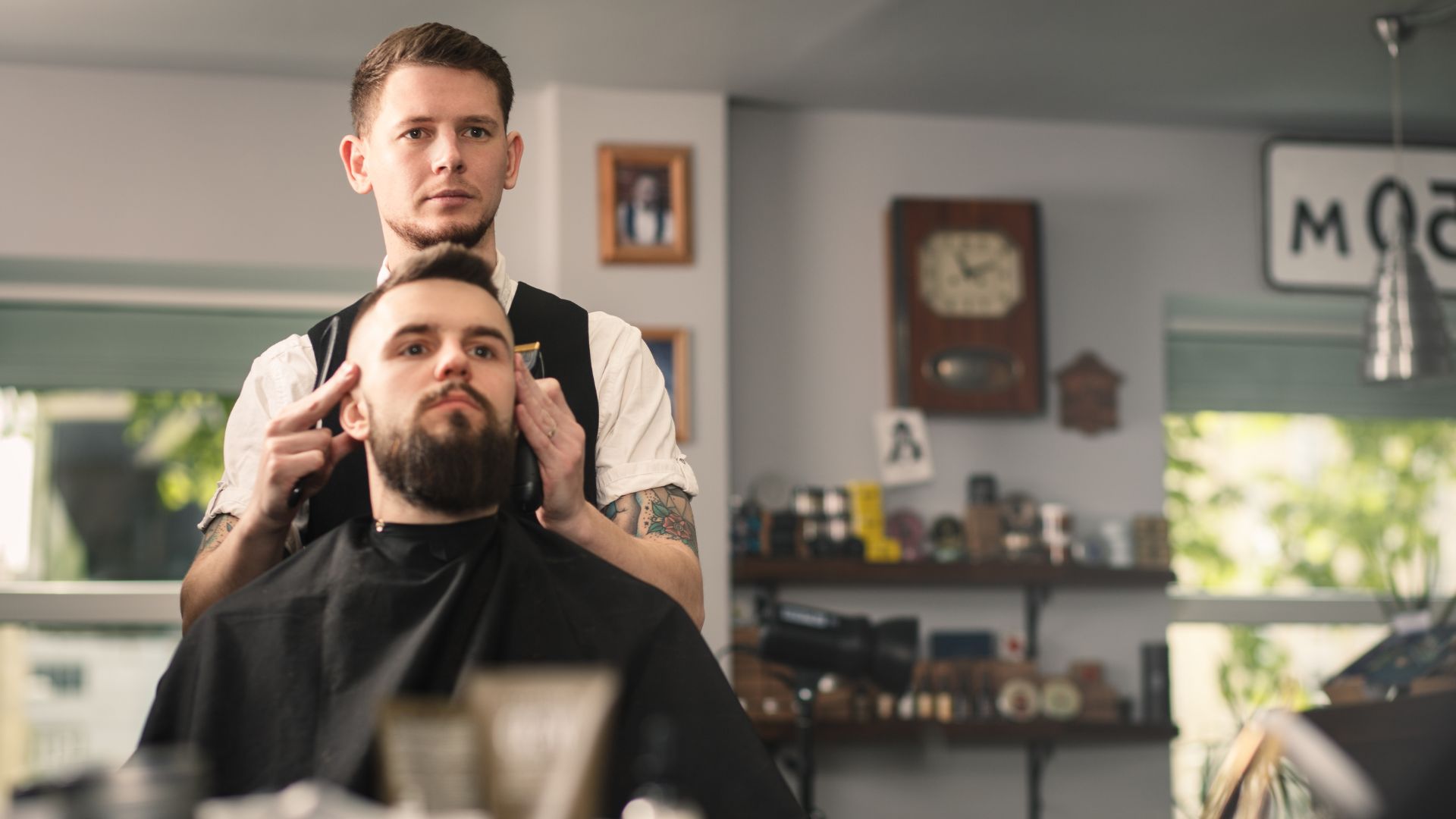
Walking into a barbershop and asking for “a fade” is like walking into a restaurant and asking for “food.” You might get something good, but it probably won’t be exactly what you were craving. The world of fades is vast and varied, with each style offering a unique look. Knowing the difference can be the key to walking out with a haircut that turns heads for all the right reasons.
This guide breaks down 12 essential fades, giving you the vocabulary and visual knowledge to choose your next look with confidence.
1. The Low Fade
The low fade is a classic and adaptable haircut that has stood the test of time. Its defining characteristic lies in where the fading begins—starting low on the head, just above the ears and around the temples. This gradual transition from shorter hair at the sides and back to longer hair towards the top creates a clean and subtle contrast that frames the face beautifully. The low fade doesn’t draw attention away from the hairstyle on top but complements it, making it an excellent choice for those who want a balanced look.
One of the reasons the low fade is so popular is its versatility. It pairs well with a variety of hairstyles on top, from short, textured crops to longer, more sophisticated styles like pompadours, slick backs, or modern quiffs. This adaptability is what makes the low fade suitable for virtually any occasion, whether you need a professional style for the office or something a little more relaxed for casual outings.
Another advantage of the low fade is how manageable it is in terms of upkeep. The gradual nature of the fade means that as your hair grows out, it does so uniformly, maintaining a polished appearance for longer. This style works particularly well for those with straight, wavy, or slightly curly hair, as the fade’s subtle gradients bring out the natural texture of the hair on top.
The low fade also caters to those who prefer simplicity without sacrificing style. Unlike higher or more dramatic fades, the low fade doesn’t demand as bold a commitment but still offers plenty of visual interest. It strikes a balance between a bold statement and a refined, understated aesthetic, making it an ideal introduction to the world of fades. Whether you’re experimenting with fades for the first time or looking for a style that blends elegance and practicality, the low fade is a timeless option that won’t disappoint.
For a precise and clean low fade, the expertise of a professional is key. A skilled barber understands how to create a gradual blend that complements the client’s head shape. This classic cut is a staple in any establishment offering premium New York Barbershop services, ensuring a sharp and polished finish.
2. The High Fade
The high fade is the bold and adventurous counterpart to the subtle low fade. Characterized by a taper that begins high up on the sides and back, often near the parietal ridge, this haircut creates a sharp contrast between the extremely short sides and the longer hair on top. This stark transition makes the high fade an eye-catching and modern option for those who enjoy making a statement with their hairstyle.
The versatility of the high fade allows it to work particularly well with a variety of hair textures, including straight, wavy, and curly hair. For individuals with textured or curly hair, the high fade enhances the natural movement and adds definition to the top layers. The bold lines and clean gradient elevate the overall structure of the cut, drawing attention to facial features and complementing a wide range of personal styles.
Achieving the perfect high fade requires a skilled and experienced barber who can smoothly blend the transition while maintaining the strong, edgy shape that defines this style. Whether paired with a pompadour, crop, or even a messy top, the high fade exudes confidence and on-trend sophistication, making it a popular choice among fashion-forward individuals.
A high fade requires a barber’s skilled hand to execute correctly. The blend must be seamless, even with the stark contrast in length. When reviewing Barbershop Services, a high fade is often highlighted as a skill-based cut that can dramatically change a client’s appearance, offering a clean and edgy vibe.
3. The Mid Fade
Striking a perfect balance, the mid fade starts exactly where its name suggests—in the middle of the sides of the head. It’s an excellent option for those who want a haircut that is neither too subtle like the low fade nor as extreme as the high fade. Instead, it sits confidently in the middle, providing a handsome and noticeable taper that works seamlessly with almost any hairstyle on top. The mid fade’s versatility is one of its strongest assets—it complements everything from textured crops to slick backs, pompadours, and even long, messy hair. This adaptability makes it a popular choice among individuals who want a clean, stylish, and contemporary look without venturing too far from a classic aesthetic.
Achieving a perfectly executed mid fade requires precision and attention to detail. The transition from the faded sides to the longer top is crucial and must be skillfully blended for a polished result. Whether paired with dramatic volume on top or a more subdued crop, the mid fade’s distinct tapering effect accentuates facial features, offering a sharp and defined framing effect. For those who like experimenting with their appearance, the mid fade creates just enough contrast to make it stand out while still being suitable for both casual and professional settings. It’s a safe choice for newcomers to fades but stylish enough to appeal to trendsetters.
4. Mid Fade With Creative Touches
The mid fade’s moderate height makes it the perfect canvas for adding personalized details like lines, patterns, or unique designs. The space between the faded section and the longer hair on top allows barbers to incorporate Cool Hair Designs, turning a standard fade into an artistic statement piece. For those looking to express their individuality, the mid fade can be enhanced with intricate barbering techniques that add extra flair. For example, shaved geometric lines, waves, or curved designs can be carved into the faded area for a bold and modern look. These customizations not only add personality but also make a mid fade truly one-of-a-kind.
Additionally, the clear separation offered by the mid fade enhances the visual appeal of such creative touches, ensuring that the designs stand out prominently against the clean fade. This makes the mid fade popular among individuals who enjoy keeping their haircuts fresh and innovative. Whether you want a subtle design or an attention-grabbing pattern, the versatility of the mid fade allows for endless customization possibilities. It’s a haircut that fits all occasions, offering the best of practicality and artistic expression. With the right barber, a mid fade can transform into a true work of art, showcasing your individual style with confidence.
5. The Skin Fade
Also known as a bald fade, the skin fade is a bold and striking haircut that takes the sides and back of the hair down to the skin. This style is carefully blended from completely bare skin at the bottom into gradually longer hair as it transitions to the top. The skin fade offers the highest level of contrast, creating a sharp and clean look that stands out. Its dramatic nature makes it perfect for those who like to make a strong and confident statement with their hairstyle.
However, the skin fade is not just about aesthetics—it’s also a high-maintenance style that requires regular touch-ups to maintain its pristine appearance. The close-cut nature of the skin fade can beautifully accentuate face shape and bone structure, making it a favorite for individuals who want a sleek and polished look. From classic business settings to trendier urban vibes, this haircut seamlessly adapts to various occasions, showcasing its timeless appeal.
6. Achieving the Perfect Skin Fade
The precision required to execute a flawless skin fade is the hallmark of a skilled barber. Achieving a seamless blend from the bare scalp to the longer hair on top demands expertise, meticulous clipper work, and an experienced eye for detail. A true master of the craft not only prioritizes visual perfection but also ensures the practicality of the cut—providing a result that grows out gracefully without harsh lines or sudden discrepancies.
To achieve a skin fade that looks impeccable and feels comfortable, visiting a seasoned barber is highly recommended. An experienced New York Barber, for example, will have the skill to deliver a smooth, irritation-free shave while expertly blending the fade to match your unique hair texture and preferences. The ultimate goal is not just precision but also creating a haircut that feels effortless to wear. With the right professional touch, the skin fade transforms from a haircut into a statement, exuding confidence and sophistication.
7. The Taper Fade
The taper fade is often misunderstood and sometimes confused with other types of fades, particularly because it shares some similarities in technique. However, it is distinguished by its subtlety and conservative approach to blending hair. Unlike a traditional fade, which transitions the hair dramatically down to the skin or a very close length, the taper fade maintains a gradual decrease in length along the sides and back without completely exposing the skin. This effect creates a natural, seamless progression that feels soft and understated, striking the perfect balance for individuals seeking a polished yet modest haircut.
What makes the taper fade particularly appealing is its versatility and adaptability. Suitable for virtually any hair type—whether straight, curly, thick, or fine—it allows barbers to customize the final look according to their client’s unique preferences. A well-executed taper fade will leave the top section of the hair with significant length, giving room for various styling options such as pompadours, quiffs, and loose textured looks. Meanwhile, the neatly tapered sides and back keep the overall hairstyle clean and refined, making it an excellent choice for both professional settings and casual occasions.
One of the key features of the taper fade is how it interacts with the hairline. A skilled barber will maintain the natural flow of the hair while strategically trimming and blending to ensure the lines remain consistent and the transitions look smooth. The gradual shrinking of the hair length also makes maintenance much easier between visits to the barber. Because it avoids extreme skin exposure, the taper fade is particularly well-suited for individuals with sensitive scalp conditions or those simply wanting a more classic and timeless appearance.
8. The Drop Fade
The drop fade stands out due to its unique shaping, which adds both depth and definition to the overall haircut. Unlike a traditional fade that typically follows a straight line around the sides of the head, the drop fade takes a curved approach, descending behind the ears and following the natural contours of the head. This “dropping” effect creates a stylish arc that emphasizes the shape of the wearer’s skull while adding dimension and boldness. The resulting look is dynamic, striking, and undeniably trendy—perfect for those who want their hairstyle to stand out while still exuding sophistication.
This specific fade style lends itself well to individuals looking for a haircut that not only frames the face but adds an artistic flair to their appearance. Traditionally, the drop fade can complement many hairstyles on top, ranging from short crops and waves to longer textured designs. Because the curve of the fade is so prominent, it works particularly well with styles that are angular or have distinct layers, as the flowing transition enhances detail and contrast.
Barbers must have a steady and experienced hand to execute a proper drop fade, as precision is crucial during the fading process. The graceful “drop” needs to be symmetrical and consistent on both sides, which often involves careful planning and an understanding of the client’s head shape. This attention to detail further elevates the drop fade from a simple fade style to an intricate art form. For those who enjoy bold yet clean designs, the drop fade can even serve as a foundation for patterns or creative shaved lines, allowing for further customization that showcases personality.
The versatility of the drop fade also makes it a durable choice for diverse occasions. Its sleek transitions give it an elegant vibe suitable for formal gatherings, while its inherent edginess fits right in with modern streetwear and casual styles. No matter where or how it’s worn, the drop fade is a design-forward choice that turns heads.
9. The Burst Fade
The burst fade truly lives up to its name, creating a “bursting” effect around the ear that instantly draws attention. This distinctive fade radiates outwards in a semi-circular pattern starting at the ear, blending the surrounding hair into shorter lengths with precision and finesse. The burst fade diverges from traditional straight fade lines, breaking away from the standard path to form something more dynamic and visually striking. Its radial design adds a sense of energy and flair to the haircut, making it a popular choice among individuals who appreciate inventive and bold styles.
One of the burst fade’s most appealing aspects is its ability to introduce creativity while maintaining practicality. The rounded shape allows the fade to flow beautifully with hairstyles such as mohawks, faux hawks, or curly tops, reinforcing the contrast and making these hairstyles even more impactful. The burst fade further provides a unique way of sculpting the hair, emphasizing the contours of the head while creating an almost custom-made appearance that is distinctly different from more common fades.
To achieve a flawless burst fade, the barber must carefully manage the transition between lengths, ensuring that the radial blend appears symmetrical and natural. Every angle of the haircut must be meticulously balanced to maintain the signature “burst” effect. This demands a high level of expertise and precision, yet the results are undeniably worth the effort. Skilled barbers can even incorporate additional elements like shaved designs or lightning bolt patterns within the fade to further enhance its look.
The burst fade carries a bold personality that resonates with those looking to make a statement. Whether paired with intricate hairstyles or left simple and understated, the burst fade remains a refreshing twist on the traditional fade, guaranteed to set anyone apart in a crowd. For clients seeking something distinctly stylish and modern, the burst fade consistently proves why it’s a favorite among barbers and fashion-conscious individuals alike.
10. The Temple Fade
Sometimes, simplicity makes the strongest statement, and the temple fade—also known as the Brooklyn fade—is the perfect embodiment of this idea. This style focuses exclusively on tapering the hair around the temple area, which creates a sharp, clean contrast while leaving the remaining hair on the sides and top at a consistent length. The temple fade is often chosen for its subtle yet impactful look, making it an ideal choice for individuals who prefer a low-maintenance, polished appearance without committing to a more drastic fade.
This specific type of fade is versatile, seamlessly blending with hairstyles ranging from short to medium or even long lengths. It pairs exceptionally well with a well-groomed beard or sharp edge-ups, giving a cohesive, balanced aesthetic. Additionally, it is a favorite among professionals who seek a refined and groomed look that’s suitable for both boardroom meetings and casual gatherings. Clients who appreciate detailed barbershop craftsmanship will enjoy how the temple fade uses precision to frame the sides of the face, enhancing facial structure. Its understated elegance also makes it universally appealing across various age groups and hair types. For those dipping their toes into fades for the first time, the temple fade can serve as the perfect introduction to this timeless technique.
11. The Fade with a Hard Part
For those looking to add extra definition and structure to their haircut, the fade with a hard part is an outstanding choice. The hard part—a skillfully shaved-in line—is a small addition, but it creates a highly impactful result, elevating the overall sharpness of the fade. By incorporating this precise, clean line that separates the top of the hair from the faded sides, the hairstyle immediately becomes bold, modern, and strikingly intentional.
The beauty of the hard part lies not just in its aesthetics but also in its versatility. It works well with a variety of fade styles, including low, mid, and high fades, as well as on hair that’s slicked back, styled into a pompadour, or even left in natural waves or curls. This level of customization allows both the barber and the client to showcase their creativity while maintaining a clean, crisp look that demands attention. Maintenance of this style entails regular visits to the barber to keep the hard part sharply defined, which reinforces the polished appearance of the haircut over time. For trendsetters or anyone wanting to make a statement, the fade with a hard part sets a new standard for sleek and contemporary grooming.
12. The Curly Fade
One of the most fascinating aspects of hairstyling is how it embraces and enhances natural texture, and the curly fade is a perfect example of this. Unlike other fades that cater to straight or wavy hair, the curly fade is specifically designed to work with naturally curly or coily hair. The goal of a curly fade is twofold: first, to blend the textured curls seamlessly with the fade, and second, to avoid a “puffy” or uneven appearance that can sometimes be associated with curly haircuts.
Achieving a flawless curly fade requires skill, precision, and a deep understanding of textured hair. Barbers carefully tailor the fade to the client’s curl pattern, starting with gradual tapering at the sides and back and ensuring the edges blend seamlessly into the curls. This precision enhances the natural beauty of the curls while also creating a structured, clean shape that highlights facial features. Another advantage of the curly fade is its adaptability; it can complement a variety of styles, such as a high-top, twists, or styled-out curls.
To keep the look fresh, regular maintenance is essential. Applying moisturizing and curl-defining products enhances the curls’ texture and gives the fade a polished, intentional appearance. A curly fade is not just a haircut—it’s a testament to the barber’s artistry and the client’s personality, showcasing how individuality and style come together to create something truly one-of-a-kind. The curly fade, whether subtle or dramatic, proves that every curl has its place in a well-crafted, modern look.
Conclusion
Knowing these different fade styles provides the power to choose a haircut that best suits personal style, hair type, and maintenance preferences. The next trip to the barber should be an exciting conversation, not a guessing game. With this guide, anyone can confidently ask for the exact fade they want and achieve a fresh, perfect look.