Light hair has a natural quality that sets it apart. Whether it is blonde, ash, platinum, or a soft sandy tone, lighter hair catches the light in a way that can make certain cuts look absolutely stunning. The right haircut enhances that natural brightness and adds shape, dimension, and movement that darker hair simply expresses differently. At the same time, light hair can sometimes look flat or thin if the cut does not account for its texture and density. Choosing the right style makes a real difference in how vibrant and healthy your hair appears every single day. This blog covers thirteen great haircut options that work beautifully with light hair, breaking down what makes each one work and how to style it for the best result.
1. The Layered Lob
The layered lob, short for long bob, is one of the most flattering cuts available for people with light hair. It sits anywhere from the collarbone to just below the chin and uses soft layers throughout to add movement and prevent the hair from looking like a flat, heavy block. Light hair tends to show layering especially well because the lighter strands catch the light at different angles, creating the appearance of dimension and depth. The result is a style that looks effortlessly full even on fine or thin hair.
Maintaining the layered lob is straightforward and does not require a complex routine. A lightweight volumizing mousse applied to damp hair before blow-drying lifts the roots and helps the layers sit with natural bounce. Styling with a round brush while blow-drying adds soft curves to the ends that frame the face beautifully. Because the cut is designed to grow out gracefully, it stays looking intentional for several weeks between appointments, making it a practical and highly rewarding choice for everyday wear.
2. The Classic Crew Cut
The classic crew cut is a reliable, clean option for men with light hair who want something easy to manage and consistently sharp-looking. The hair is cut very short on the sides and back and left slightly longer on top, tapering smoothly toward the front. Light hair works particularly well with this cut because the short length at the sides allows the scalp to show slightly, creating a soft contrast that looks neat rather than harsh. The cut is highly versatile and suits most face shapes with minimal adjustment.
Booking an appointment with a skilled barber ensures the crew cut is blended properly at the back and sides so no awkward lines or uneven spots appear. A professional can also adjust the length on top to suit the natural growth direction of the hair, which matters especially for light hair that tends to show every imperfection. At home, a tiny amount of matte paste or light pomade through the top section keeps the hair sitting in place without looking overdone. This cut requires very little daily effort while delivering a consistently polished appearance.
3. The Curtain Fringe Style
The curtain fringe style parts the hair down the center of the head, allowing soft pieces of hair to fall forward on each side of the face like a pair of open curtains. This look gained widespread popularity because it suits so many different hair types and face shapes, and it looks particularly striking on people with light hair. The lighter tone of the strands highlights the natural movement and the gentle parting, giving the style a relaxed but very intentional quality. It works well at any length, from medium to long hair.
Styling curtain fringe does not take much time or effort. Let the hair air dry or use a blow dryer with a diffuser to encourage the natural movement of the strands. A small amount of lightweight styling oil or a flexible hold cream applied through the lengths keeps the pieces separated and prevents them from clumping together. The key is keeping the style looking relaxed rather than stiff. For light hair specifically, heavy products can weigh the strands down and dull the natural brightness, so choosing lightweight formulas always produces a better result.
4. The Textured Crop
The textured crop is a modern, fashionable cut that works extremely well for people with light, fine hair. The sides are cut short, while the top is left with enough length to point-cut, creating choppy, piecey layers that add visual texture and movement. Because fine light hair can sometimes look sparse when cut too simply, this cutting technique builds in the appearance of thickness and fullness without adding any bulk. The top sits with a natural, slightly messy finish that looks intentional and stylish throughout the day.
Using Barber-Recommended Products for fine, light hair makes a noticeable difference in how long the textured crop holds its shape. A lightweight matte clay or a texturizing paste adds separation and grip to the strands without weighing them down or dulling their natural shine. Work a small amount of the chosen product through dry or slightly damp hair using fingertips to scrunch and separate the top layers. Avoid using too much product, as light hair picks up weight easily and can look greasy or flat if overloaded. A little goes a long way with this particular style.
5. The Blunt Bob
The blunt bob delivers a very clean, strong visual line that looks especially striking on light hair. All the hair is cut to a single uniform length, typically landing anywhere from the jawline to just below the ears, with no layers to soften the edge. This creates a bold, graphic shape that frames the face with precision. Light hair enhances this look by making the solid line of the cut look crisp and highly defined, especially when the hair is healthy and well-conditioned.
Keeping a blunt bob looking its best requires regular trims, roughly every six to eight weeks, to maintain the sharpness of the ends. Allowing the ends to grow out even slightly softens the line and changes the entire character of the cut. To style it, apply a smoothing serum to damp hair and blow-dry with a paddle brush to keep the surface sleek and the ends perfectly flat. For light hair, a heat protectant before blow-drying is essential because lighter strands tend to be more sensitive to heat damage and can appear dull or brittle if exposed to high temperatures without protection.
6. The Soft Shag
The soft shag is a layered, free-flowing cut that brings a relaxed, slightly retro energy to any look. It features heavy layering throughout the entire head, often combined with a curtain fringe, and is designed to encourage natural movement and texture. Light hair suits the shag beautifully because the layered lengths catch the light at multiple levels, making the hair appear fuller and more vibrant. It is a great option for anyone who wants a style with personality and a slightly undone quality that still looks completely intentional.
For those exploring Subtle Haircut Options that add shape without being too dramatic, the soft shag sits right in the sweet spot. It transforms the look significantly through layering alone, without requiring extreme length changes or bold techniques. Styling involves applying a sea salt spray or a curl-enhancing cream to damp hair and letting it air dry for a naturally textured finish. If the hair is straight, a large barrel curling iron can create soft waves that bring the shag to life. This cut rewards low-maintenance styling and looks great even on days when minimal effort goes into it.
7. The Tapered Fade
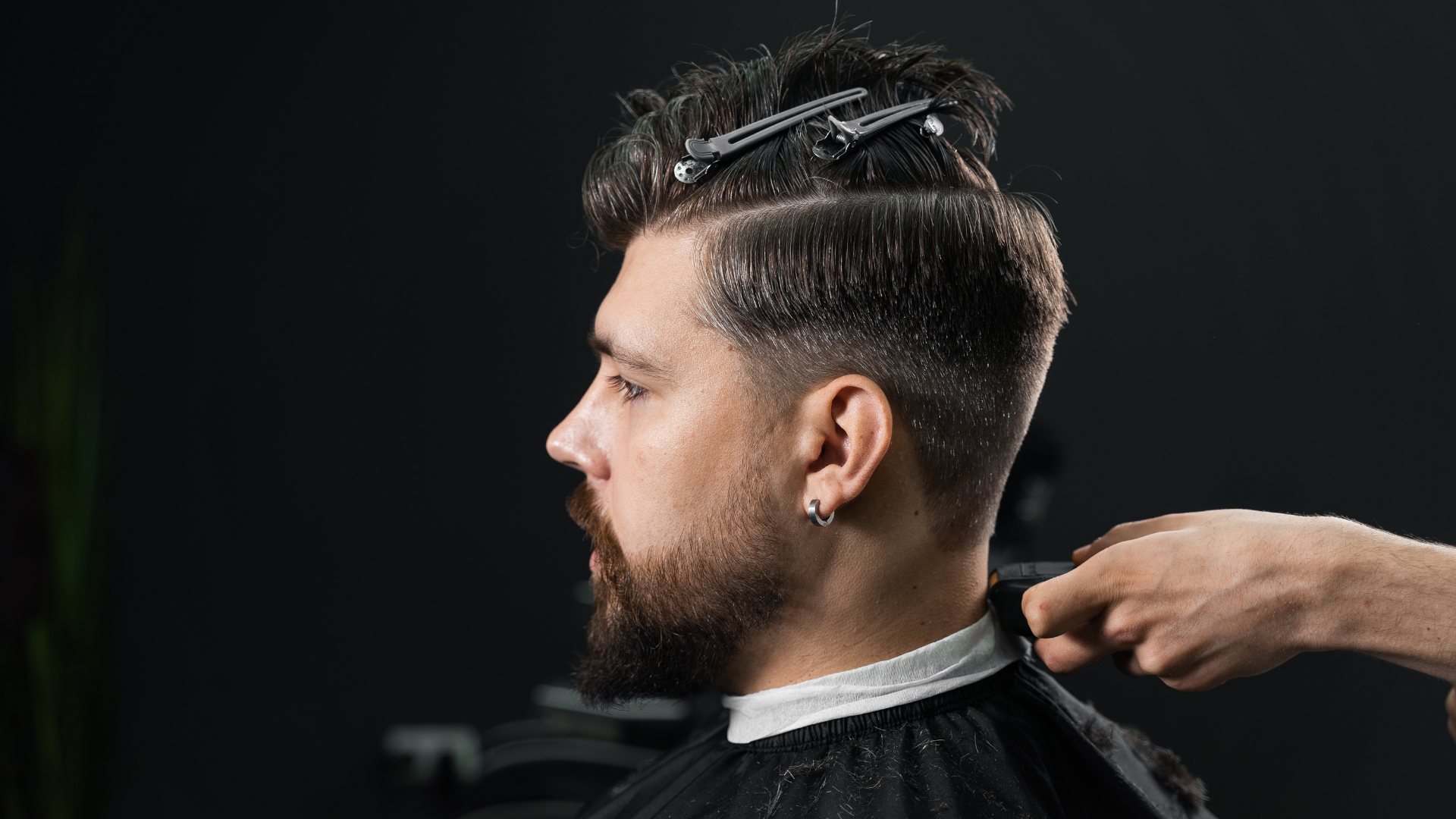
A tapered fade brings a precise, structured finish that works well for men with light hair who want a clean, modern style. The hair gradually reduces in length from the top down to the skin near the ears and neckline, creating a smooth transition with no harsh jumps or visible lines. Light hair can make the fade look particularly crisp because the contrast between the skin and the lighter strands is soft and gradual, giving the cut a natural, well-blended finish. The top can be styled in many ways depending on personal preference.
The tapered fade suits a wide range of face shapes and hair types, and it grows out very evenly, which means the shape stays looking tidy for several weeks. On top, men with light hair can choose between a combed, side-parted finish for something more polished or a slightly textured look for something more relaxed. A small amount of medium-hold pomade defines the top section without making the hair look stiff. The clean lines of the fade ensure the overall look stays sharp and intentional no matter which top style is chosen.
8. The Long Layers Cut
Long layers are one of the most flattering techniques available for people with light hair that reaches past the shoulders. Instead of cutting the hair to a single blunt length, the stylist takes sections and cuts them at different points to create movement and lift throughout the entire head. Light hair benefits from this approach because it removes the heaviness that can make fine or medium-density hair fall completely flat. The layering allows individual strands to catch the light and separate naturally, giving the hair a healthy, full appearance.
If you are unsure where to go for a long layers cut, a quick search for a barber near me or a local hair specialist who works specifically with men’s styles can point you toward someone experienced with layered techniques on finer hair types. For women or those with longer hair, a salon specializing in precision cutting achieves the same result. At home, maintenance is simple: a good leave-in conditioner keeps the lengths moisturized, and a light styling oil adds finishing shine without weighing the layers down. This cut grows out beautifully and looks great at multiple lengths as it gets longer.
9. The French Crop
The French crop is a clean, structured cut featuring a short back and sides with a slightly longer top section that is styled forward toward the forehead. The fringe sits flat or just slightly textured, creating a neat horizontal line that defines the front of the style. Light hair suits the French crop particularly well because the lighter fringe creates a striking visual contrast against the forehead, and the short sides allow the natural tone of the hair to shine without distraction. It is a highly wearable, low-maintenance style.
Styling a French crop takes less than two minutes. Apply a small amount of lightweight matte clay or a soft styling paste to dry hair and press the top section forward with the palm of the hand. The fringe should lie flat or with the slightest texture depending on personal preference. Because the cut keeps everything short and controlled, the style holds its shape throughout the day with minimal product. For light hair specifically, choosing a matte formula rather than a shiny one tends to produce a more natural finish and keeps the hair looking fresh rather than greasy.
10. The Pixie Cut
The pixie cut is a bold, confident choice that looks stunning on people with light hair. It is cut very short all over, with slightly more length kept at the top and sometimes a small fringe at the front. Light hair makes the pixie look particularly striking because the short length allows the tone to dominate the entire look, and lighter shades from platinum to golden blonde to ash all carry a pixie exceptionally well. The style puts the focus on facial features and bone structure, framing them in a very direct and flattering way.
Managing a pixie cut is remarkably easy despite how polished it looks. A quick finger-dry or a tiny amount of styling product through the top section is all it takes to shape the style each morning. For a softer finish, a light hold cream blended through the tips creates a natural, relaxed look. For something a bit more structured, a firm clay pushed through the top adds definition and height. Regular trims every four to six weeks keep the shape tight and precise. It is one of the most genuinely low-effort cuts available while still looking completely purposeful.
11. The Wolf Cut
The wolf cut combines the volume of a shag with the structure of a layered style, creating a silhouette that is simultaneously bold and effortless. Heavy layers are cut throughout the head, with shorter pieces framing the face and longer lengths cascading down the back. Light hair gives the wolf cut an especially dynamic quality because each layer catches light differently, producing a natural highlighted effect without any color treatment. It suits medium to long hair and looks great on both straight and wavy textures.
Styling the wolf cut is fun and flexible. Apply a volumizing mousse to damp hair and blow-dry upside down to build root lift and movement. Once dry, use fingers to shake out the layers and let them fall naturally. A light hold hairspray can lock the shape without making it look stiff. The beauty of this cut is that it looks styled even when very little effort goes into it, which makes it a great everyday option. For people with light hair, the layered structure also adds visual density, making the hair appear fuller and more vibrant than a single-length cut would.
12. The Side-Swept Undercut
The side-swept undercut is a high-contrast style that pairs very short or closely clipped sides with a significantly longer top section swept dramatically to one side. The length difference between the two zones creates a bold, modern silhouette that looks sharp and deliberate. Light hair makes this contrast especially visible and striking because the lighter tone on top stands out clearly against the closely cropped sides. It is a style that communicates confidence and a strong sense of personal grooming.
Styling the top section of a side-swept undercut involves applying a medium to strong hold pomade and combing or brushing everything to the preferred side with one clean, sweeping motion. The sweep should start from above the opposite ear and flow across the top of the head, creating a long, curved line. For light hair, a product with a slight sheen adds a polished finish that complements the clean sides. Because the sides are so short, the cut stays looking fresh for several weeks before the contrast softens enough to need a fresh appointment.
13. The Natural Volume Cut
The natural volume cut is designed specifically for people who want to make the most of their hair’s natural body without relying on heavy styling. The hair is cut with long, soft layers and gentle graduation around the perimeter to encourage volume and lift at the roots. Light hair responds very well to this technique because it is often finer in texture and benefits significantly from a cut that removes weight from the ends while preserving fullness at the top. The result is hair that looks naturally thick and full throughout the day.
Styling the natural volume cut is simple and rewarding. Apply a lightweight root-lifting spray to the roots before blow-drying, and use a round brush to lift the roots in sections as you dry. Once the hair is fully dry, a light finishing spray keeps the volume in place without adding stiffness. Avoid heavy creams or oils on the roots, as these flatten light, fine hair quickly. This cut is an excellent long-term choice because it works with the hair’s natural growth pattern, meaning it always looks intentional and well-maintained without requiring constant product support.
Conclusion
Light hair has a natural luminosity that deserves a cut designed to show it off. From short, clean styles like the crew cut and French crop to longer, movement-driven options like the wolf cut and layered lob, there is a haircut suited to every preference and lifestyle. The right choice depends on the hair’s texture, density, and how much daily styling feels manageable. Start by identifying two or three styles that appeal most, then book a consultation with a skilled hair professional who can assess the hair’s specific characteristics and recommend the best fit. A great cut does not just change how the hair looks; it changes how the whole appearance comes together.