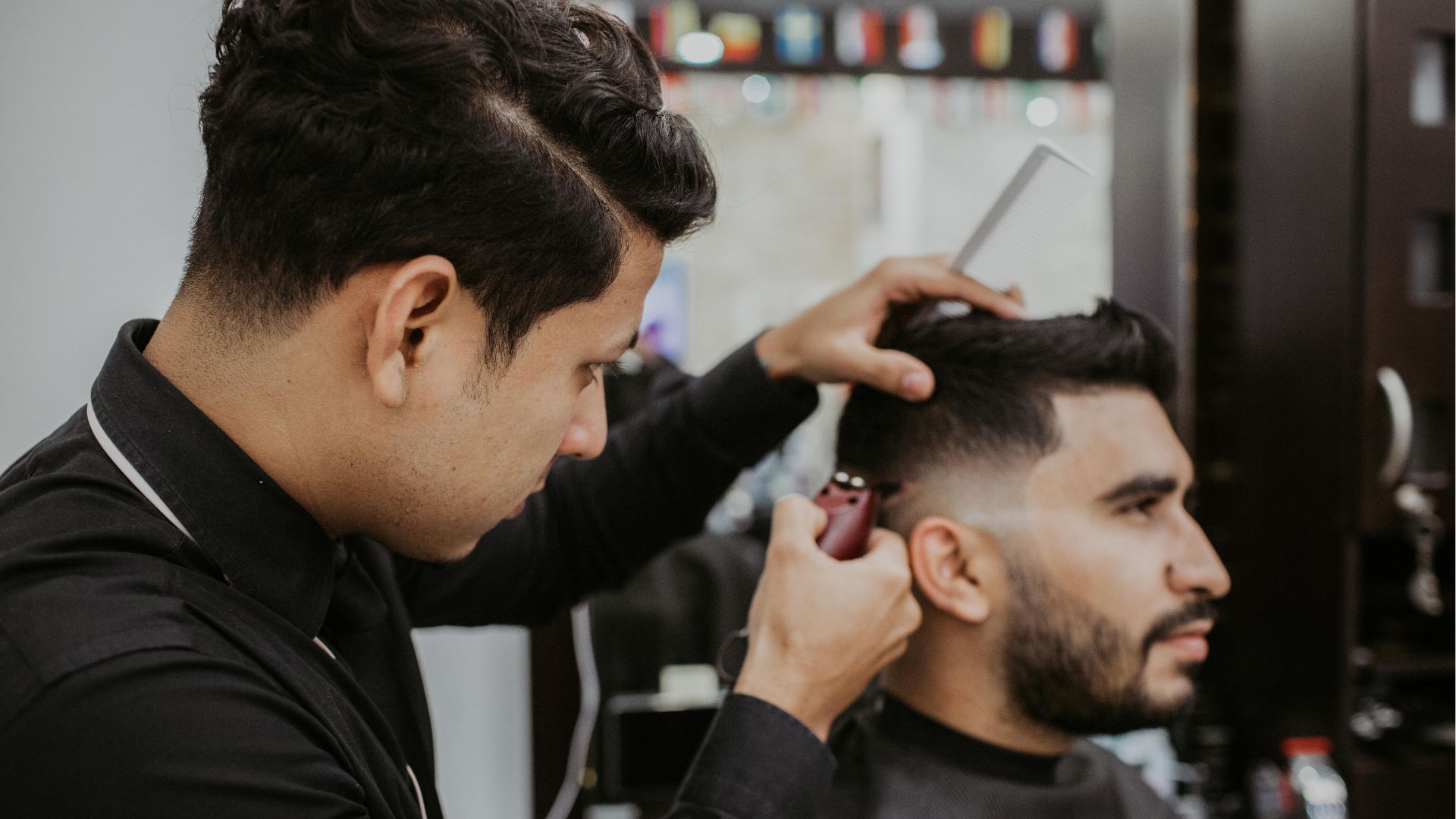
A fresh shape-up makes the hairline look crisp, clean, and sharp, but sometimes those neat edges come with an annoying side effect. Small red bumps can pop up around the hairline, neck, or beard area a few days later. These bumps are ingrown hairs, and they happen when a hair curls back or grows sideways into the skin instead of out of it. They can feel itchy, look irritated, and even become sore if left alone. The good news is that most of these bumps have clear causes that are easy to understand and avoid. This blog breaks down twelve common reasons why ingrown hairs show up after a shape-up, so the next clean cut can stay smooth and bump-free.
1. Cutting the Hair Too Short
When hair gets trimmed extremely close to the skin, the cut tip often ends up below the surface. As the hair starts to grow back, it can curl and dig sideways into the skin instead of pushing straight out. This is one of the most common reasons bumps appear right after a sharp, close shape-up. The closer the cut, the higher the chance that the hair gets trapped under the skin.
Short hair also tends to have a sharp, pointed tip after a close trim. That pointed end pierces the skin wall more easily, leading to redness and irritation. Leaving a tiny bit of length can lower the risk a lot. Asking for a slightly less aggressive edge gives the hair room to grow outward naturally. A gentle approach keeps the look clean while protecting the skin from painful, trapped hairs.
2. Skipping Skin Prep Before the Blade
Skin that is dry or dirty does not respond well to a close edge-up. Without proper prep, the pores stay tight and the hair stays stiff, which raises the chance of an uneven cut. A clean, warm, and soft surface lets the blade glide smoothly and reduces tugging. When prep gets skipped, the hair is more likely to snap below the skin line and become trapped.
Before any close razor shave, the skin should be washed with warm water and a gentle cleanser to soften both the hair and the surface. A warm towel pressed against the area for a minute opens the pores and relaxes the hair follicles. This simple step makes a huge difference in how clean and safe the edge turns out. Skin that is prepped well heals faster and grows hair back in a much smoother direction.
3. Using a Dull Blade
A dull blade is one of the biggest hidden causes of ingrown hairs. Instead of slicing through each hair cleanly, a worn-out edge tugs and pulls at the strand before finally cutting it. This pulling action can cause the hair to retract slightly below the skin once it snaps. When that happens, the hair often grows back at a strange angle and gets stuck under the surface.
A dull blade also drags across the skin, creating tiny scrapes and weak spots that invite irritation. These small openings make it easier for hair to curl back inward. Fresh, sharp blades cut on the first pass and reduce the need to go over the same spot again and again. Replacing blades often and keeping them clean is a small habit that protects the skin and keeps the hairline looking neat without painful bumps.
4. Naturally Curly or Coarse Hair
Some men deal with ingrown hairs simply because of the type of hair they have. Curly and coarse hair naturally grows in a curved direction, so even a clean cut can lead the hair back toward the skin as it grows. The tighter the curl, the easier it is for the tip to loop around and pierce the surface. This is why bumps often appear more around the beard line and neck.
Men with very Light Hair or fine strands tend to have an easier time, while those with thick, curly hair must take extra care after a shape-up. A good routine helps a lot here. Gentle exfoliation and regular moisturizing keep the skin soft so the hair can break through more easily. Knowing the hair type and treating it the right way reduces the chance of trapped, curling strands and keeps the skin calmer.
5. Shaving Against the Grain
Shaving against the direction of hair growth gives a very close finish, but it comes with a real risk. When the blade pulls the hair up and cuts it below the skin line, the hair gets a head start on growing inward. As it grows back, it can easily curl sideways or downward into the skin instead of out of the follicle.
Going against the grain also irritates the skin more, leaving it red and tender. This added irritation swells the pores slightly and makes it harder for new hair to escape. Shaving with the grain, or at least sideways across it, lowers the risk while still giving a clean result. Learning the direction the hair grows in each area helps protect the skin. A few extra seconds of care prevents days of itchy, irritated bumps later on.
6. Poor Aftercare at Home
What happens after the shape-up matters just as much as the cut itself. Skin that gets ignored after a fresh edge-up is far more likely to break out in bumps. Without proper aftercare, the pores can clog, the skin can dry out, and trapped hairs find the perfect spot to grow inward. A simple routine at home keeps everything calm and clean.
Many Professional Barbershops apply a soothing balm or aftershave right after the service to calm the skin and close the pores. That same care should continue at home for the next few days. Washing the area gently, applying a light moisturizer, and avoiding harsh products all help the skin recover. Keeping hands away from the freshly shaped area also prevents dirt and bacteria from causing trouble. Steady aftercare is one of the easiest ways to stop ingrown hairs before they start.
7. Clogged Pores and Dead Skin
When dead skin cells build up on the surface, they can block the tiny openings that hair needs to grow through. A fresh shape-up leaves the hair tips right at skin level, so a clogged pore traps them easily. The hair then has nowhere to go but sideways or back down into the skin, which leads to a raised, irritated bump.
Oil, sweat, and product buildup make this problem worse by sealing the pores even tighter. Regular gentle exfoliation clears away this layer of dead skin and keeps the path open for new hair. A soft scrub or exfoliating cloth used a couple of times a week works well without being harsh. Clean, clear pores let hair grow straight out the way it should. Keeping the skin free of buildup is a simple but powerful step against ingrown hairs.
8. Wearing Tight Clothing or Collars
Friction from clothing plays a surprising role in ingrown hairs, especially around the neck. Tight collars and high necklines rub against a freshly shaped hairline all day long. That constant rubbing irritates the skin and can push short hairs back down before they have a chance to grow out properly. The neck area is one of the most common spots for these bumps for this exact reason.
After visiting a skilled barber for a clean neckline, loose and breathable clothing helps protect the work. Soft fabrics that do not press tightly against the skin allow the area to breathe and heal. Sweat that gets trapped under tight collars adds even more irritation, so airflow matters too. Choosing comfortable clothing for a day or two after a shape-up gives the skin space to settle. This small change keeps the freshly cut hairline smooth and free of trapped hairs.
9. Touching or Picking at the Skin
Hands carry dirt, oil, and bacteria throughout the day, and touching a freshly shaped area passes all of that onto sensitive skin. Constant touching can clog pores and introduce germs that lead to inflammation. Once the skin gets irritated, the chance of a hair becoming trapped goes up. Even a habit as small as resting a hand on the chin can cause problems.
Picking at existing bumps makes everything worse. Squeezing or scratching an ingrown hair damages the skin and can push the hair deeper or cause an infection. The area then takes much longer to heal and may scar. Leaving the skin alone is the best policy after a shape-up. If a bump appears, a warm compress and gentle care help far more than picking ever will. Keeping hands away protects both the look and the health of the skin.
10. Using Harsh or Scented Products
Strong aftershaves and heavily scented products can irritate freshly shaped skin. Many of these products contain alcohol and fragrances that dry out the surface and cause stinging. Dry, irritated skin tightens around the hair follicles, making it harder for new hair to grow out smoothly. This irritation creates the perfect setting for hairs to get trapped and form bumps.
Gentle, fragrance-free products are a much safer choice right after a close edge-up. Soothing ingredients like aloe vera and witch hazel calm the skin without harsh side effects. A light, non-greasy moisturizer keeps the surface soft and balanced. Reading labels and avoiding products packed with alcohol makes a real difference. Treating the skin kindly after a shape-up helps it heal and keeps the pores relaxed. The right products support smooth hair growth instead of fighting against it.
11. Dry Skin and Lack of Moisture
Dry skin is stiff and rough, which makes it harder for hair to push through to the surface. When the skin lacks moisture, the top layer can become flaky and tight, trapping hair underneath. After a shape-up, dry skin around the hairline and neck raises the chance of bumps forming. Soft, hydrated skin allows hair to grow out freely and reduces irritation.
Keeping the skin moisturized is one of the easiest ways to prevent this problem. A daily moisturizer suited to the skin type keeps the surface smooth and supple. Drinking enough water also supports healthy skin from the inside. In colder months, when the air is dry, extra moisture matters even more. A well-hydrated face and neck heal faster and resist the tight, flaky texture that traps hair. Simple, regular moisturizing goes a long way toward keeping a shape-up clean.
12. Going Too Long Between Trims
Waiting too long between visits can lead to a buildup of longer, uneven hair that is harder to shape cleanly. When the hair grows out a lot, the edge-up requires more aggressive cutting to get a sharp line. That heavier trimming raises the risk of cutting hairs too short and creating trapped strands. A clean shape-up works best on hair that is kept at a steady length.
Regular trims keep the hairline manageable and reduce the need for harsh cutting. When the hair stays at a consistent length, each shape-up stays gentle and even. This steady routine gives the skin less stress and keeps the pores calm. It also makes the whole process quicker and smoother. Sticking to a regular schedule protects both the style and the skin. Consistency is one of the simplest ways to keep ingrown hairs from showing up after every fresh edge.
Conclusion
Ingrown hairs after a shape-up are frustrating, but most of them come from causes that are simple to fix. From cutting too short and using dull blades to skipping aftercare and wearing tight collars, each cause has a clear and easy solution. Soft skin, clean tools, gentle products, and a steady trim schedule all work together to keep the hairline smooth and bump-free. Taking a little extra care before and after each fresh edge makes a big difference in how the skin looks and feels. Understanding these twelve causes gives anyone the power to enjoy a crisp, clean shape-up without the itchy red bumps that often follow. With the right habits in place, smooth skin and sharp edges can go hand in hand every single time.