Quick answer: A child’s first haircut typically happens between 12 and 18 months, though some kids wait until age two or three. The key to a smooth experience is choosing a kid-friendly barber, picking a calm time of day, and keeping the first visit short and low-pressure. As kids grow, their cuts should evolve with their personality, hair type, and school or sports needs, with most families returning for a trim every four to six weeks.
You remember the smell. Talc dusting the back of a neck. The low buzz of clippers warming up. A leather chair creaking as it drops half an inch. For most men, the barbershop is a place of ritual and comfort. But bring a toddler into that same chair, and the whole equation changes. That buzzing clipper that sounds like background noise to you might sound like a monster to a two-year-old.
I have been cutting hair for over twenty years, and if there is one thing I have learned, it is this: kids haircuts are not just smaller versions of adult haircuts. They come with their own rules, their own timing, and their own kind of pressure. Parents want it done right. Kids just want it done fast. And somewhere in the middle stands the barber, trying to make both sides happy without anyone crying in the chair.
This guide walks you through the whole journey. From that nerve-wracking first haircut to the day your son starts asking for a fade like his favorite athlete, I am going to give you the real talk. No fluff, no jargon, just what actually works.
When Should a Child Get Their First Haircut?
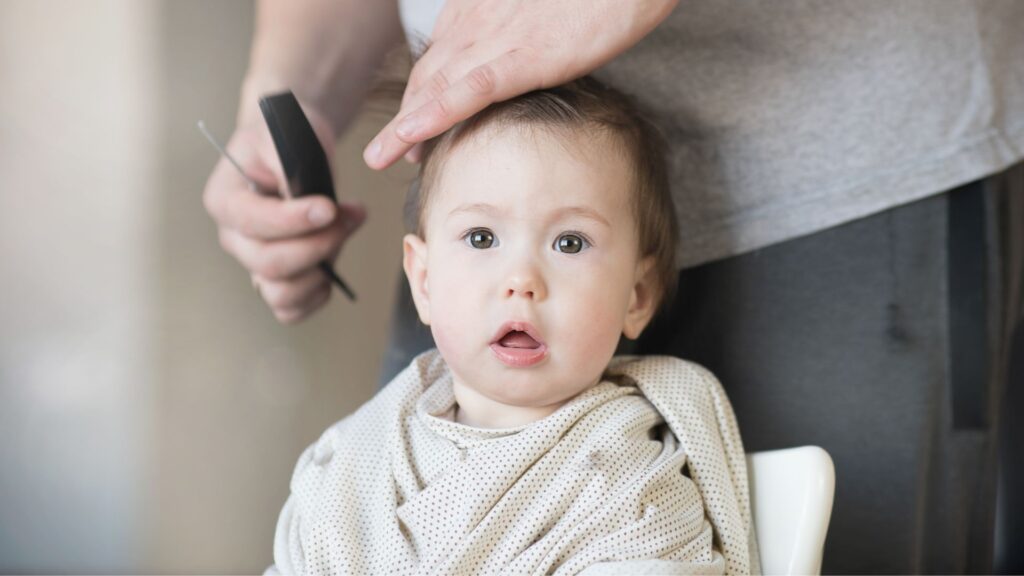
There is no universal rulebook here, but most pediatric hair experts and barbers agree on a general window. Somewhere between 12 and 18 months is common, based on when hair grows long enough to need shaping. According to the American Academy of Pediatrics, there is no medical reason tied to a specific age. It is really about hair length, thickness, and how much your child can tolerate sitting still.
Some babies are born with a full head of hair that needs a trim by six months. Others are still working with a light fuzz at their first birthday. Both are completely normal.
Signs Your Child Is Ready for Their First Cut
Here are a few practical signs that it is time:
- Hair is falling into their eyes and affecting their vision
- Hair is tangling constantly, no matter how much you brush it
- It is getting hot and uncomfortable, especially in summer
- You are simply ready for that first haircut photo for the memory book
There is no rush. A shaggy toddler is not a problem. But once hair starts affecting comfort or daily life, it is a good sign the first trim is coming.
What Age Is Too Early or Too Late?
Cutting hair before six months is rarely necessary, since most infants do not have enough length to shape. On the other end, waiting until age three or four is also completely fine if your child has fine, slow-growing hair. The “right age” is really whatever works for your kid’s hair and your patience level.
| Age Range | Common Hair Situation | Typical Action |
| 0 to 6 months | Little to no hair, or soft fuzz | Usually no cut needed |
| 6 to 12 months | Hair reaching ears or eyes | Light trim if needed |
| 12 to 18 months | Full head, tangling, uneven growth | Most common first haircut window |
| 18 to 24 months | Hair affecting vision or comfort | Cut recommended |
| 2 to 3 years | Ready for more shape and style | First “real” haircut with styling |
Timing matters, but so does preparation. Once you know it is time, the next step is picking the right place to make it happen.
Choosing the Right Place for Your Child’s First Haircut
Not every barbershop is built for kids, and that is fine. Some shops are quiet, dim, and full of grown men getting a straight razor shave in silence. That is not the environment for a squirming 14-month-old. Look for a shop or salon that specifically caters to kids, or at least has barbers who are patient and used to working with little ones.
What to Look for in a Kid-Friendly Barbershop
A good kid-friendly shop usually has a few common traits. There are toys or tablets to distract during the cut. The chairs might be shaped like cars or airplanes. The staff talks in a calm, upbeat voice instead of rushing through the appointment. And most importantly, the barber does not get frustrated if the child needs a break halfway through.
Ask friends with kids for recommendations, or search “haircut near me” and check reviews specifically mentioning children. Reviews that mention patience, speed, and a gentle approach are worth their weight in gold.
Barbershop vs. Kids’ Salon vs. Home Haircut
| Factor | Traditional Barbershop | Kids’ Salon | Home Haircut |
| Environment | Adult-focused, can be loud | Designed for comfort and fun | Familiar and low-pressure |
| Cost | $20 to $40 average | $25 to $45 average | Free (aside from tools) |
| Skill Level | High, especially for fades | High, kid-specialized | Beginner to moderate |
| Best For | Older kids, boys wanting styled cuts | Toddlers, first cuts, anxious kids | Simple trims, budget-conscious families |
| Consistency | Depends on barber | Usually very consistent | Varies with parent skill |
Choose a traditional barbershop if your son is a bit older and wants a specific style like a fade or a sports team stripe. Choose a kids’ salon if this is the first haircut and comfort matters more than precision. Choose a home haircut if you are handy with clippers and just need a basic trim between shop visits.
Should You Bring Your Toddler to Your Own Barber?
Some dads love the idea of bringing their son to their personal barber, and honestly, it can be a great bonding moment. Just talk to your barber first. Ask if they are comfortable with a squirmy toddler in the chair, and be ready to reschedule if the shop is packed and the energy is too chaotic for a first-timer.
Once you have found the right spot, the next challenge is getting your child mentally ready for the experience itself.
How to Prepare Your Child for Their First Haircut
Preparation is half the battle. A child who understands what is coming, even a little, tends to handle the chair far better than one who is caught off guard by a stranger holding scissors near their head.
Talk About It Before You Go
Even toddlers pick up on tone and repetition. In the days leading up to the appointment, use simple, positive language. Say things like “we are going to get your hair cut so you look handsome” or “the barber is going to make your hair short and cool.” Avoid words like “hurt” or “scary,” even if you are just trying to reassure them that it will not hurt. Kids latch onto the scary word, not the reassurance.
Practice at Home
Let your child sit in a chair while you gently touch their hair with your fingers, mimicking the motion of a comb. Turn on an electric toothbrush or a hair dryer nearby so they get used to a buzzing sound. This desensitizes them to the sensation and noise a clipper will bring.
Bring Comfort Items
A favorite stuffed animal, a tablet with their favorite show, or even a lollipop as an incentive can make a huge difference. Most kid-friendly barbers are used to parents bringing distractions, and many shops even have their own screens built into the chairs for this exact reason.
Time It Right
Avoid scheduling during nap time or right before a meal. A hungry, tired toddler is a recipe for tears. Morning appointments, right after breakfast, tend to work best for most families.
| Preparation Step | Purpose | Timing |
| Talk about the haircut | Builds familiarity and reduces fear | 2 to 3 days before |
| Practice touching hair | Desensitizes to sensation | Ongoing, several days before |
| Introduce buzzing sounds | Reduces shock from clippers | 1 to 2 days before |
| Pack comfort items | Provides distraction during cut | Day of appointment |
| Schedule wisely | Avoids overtired or hungry meltdowns | Day of appointment |
Preparation sets the stage, but what actually happens once you are sitting in that chair matters just as much.
What Happens During a Typical Kids Haircut
Walking in blind can make any parent anxious, so let me break down what a well-run kids haircut usually looks like from start to finish.
The Greeting and Warm-Up
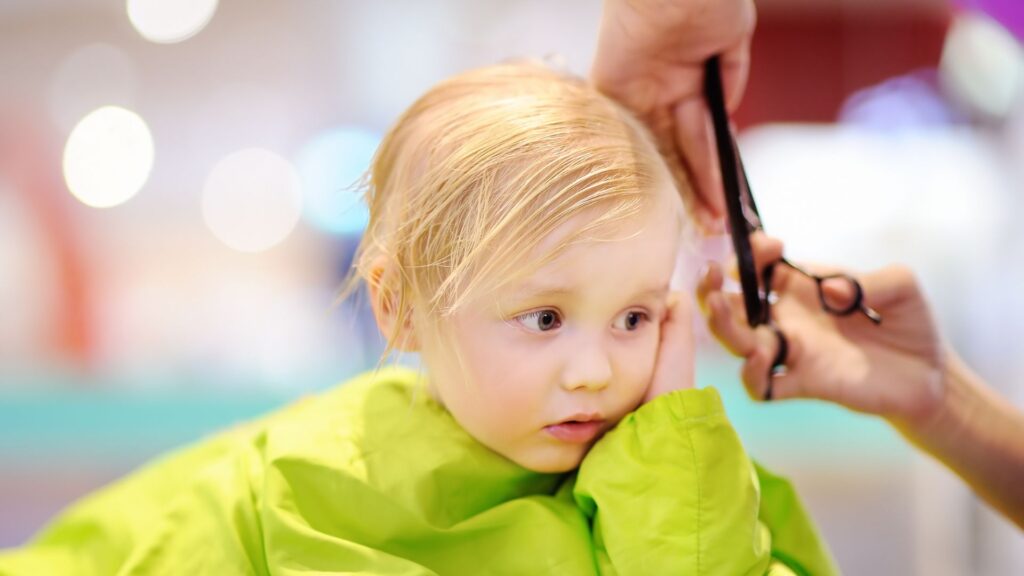
A good barber will not immediately reach for scissors. Instead, they will talk to your child, maybe show them the tools, let them touch the comb, and build a little trust first. This warm-up phase might take two or three minutes, but it pays off tenfold in cooperation.
The Actual Cutting Process
For toddlers, barbers often use scissors over clippers for the first few visits since scissors are quieter and less intimidating. As kids get more comfortable, clippers get introduced gradually, often starting with the guard against the skin so it just feels like a light vibration rather than a scary buzzing tool near the ears.
Handling Meltdowns Mid-Cut
Even with the best prep, some kids just are not feeling it that day. A patient barber will pause, let the child calm down, offer a distraction, and pick back up. If needed, the appointment might be split into two shorter sessions. This is completely normal and nothing to be embarrassed about.
The Finishing Touches
Once the cut is done, most shops will offer a little “reward,” maybe a lollipop, a sticker, or even a mini certificate for surviving their first haircut. Many parents like to save a small lock of hair as a keepsake, and most barbers are happy to snip a little extra for that purpose.
Understanding the process takes away a lot of the mystery, but once your child settles into a haircut routine, the real fun begins: figuring out what style actually works for them.
Choosing the Right Haircut for Your Child’s Age and Personality
As kids grow, their Stylish haircuts should grow with them. What works for a wiggly two-year-old is very different from what a confident eight-year-old wants walking into school.
Toddler Haircuts (Ages 1 to 3)
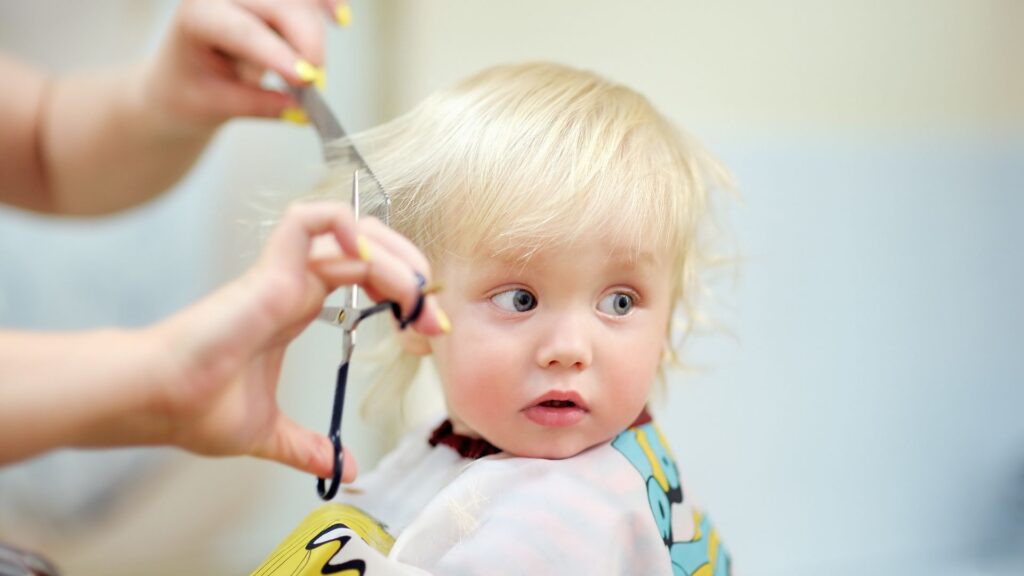
At this stage, simplicity wins. Most toddler cuts are just about keeping hair out of the eyes and off the eck. Think basic trims, light shape-ups, and nothing too complicated since most toddlers cannot sit still long enough for detailed styling.
Preschool and Early Elementary Cuts (Ages 4 to 7)
This is where personal style starts to emerge. Kids at this age might request a specific style they saw on a cartoon character or a sports player. Fades, textured crops, and simple side parts are common requests, and most kids at this age can handle a full clipper cut without much fuss.
Older Kids and Tweens (Ages 8 to 12)
By this age, many kids have strong opinions about their haircut, and that is a good thing. Encourage them to communicate directly with the barber about what they want. This builds confidence and teaches them how to advocate for themselves, a skill that goes well beyond the barber chair.
| Age Group | Common Style Preferences | Attention Span in Chair | Recommended Cut Frequency |
| 1 to 3 years | Simple trims, basic shape | 5 to 10 minutes | Every 8 to 12 weeks |
| 4 to 7 years | Fades, crops, character-inspired styles | 15 to 20 minutes | Every 6 to 8 weeks |
| 8 to 12 years | Trendy fades, designs, longer styles | 20 to 30 minutes | Every 4 to 6 weeks |
Popular Kids Haircut Styles Right Now
A few styles have stayed consistently popular across barbershops for years, and a few newer trends have picked up steam thanks to social media and youth sports culture.
- Skin fade with a hard part: Clean, sharp, and works for nearly any hair type
- Textured crop: Short on the sides, textured on top, low maintenance
- Curly top with tapered sides: Great for kids with natural curls who want to keep some length
- Buzz cut: Classic, easy to maintain, ideal for active kids and sports season
- Mohawk or faux hawk: Popular for kids who want something bold for a special occasion
Style is important, but so is making sure the haircut actually fits your child’s hair type and texture. That is where a lot of parents run into trouble.
Matching the Haircut to Your Child’s Hair Type
Not every style works with every hair type, and forcing the wrong cut onto the wrong texture leads to frustration for everyone involved, especially the poor kid stuck trying to manage it every morning.
Straight Hair
Straight hair tends to show every line and edge clearly, which makes it a great canvas for fades and sharp part lines. It also tends to grow “down” rather than “out,” meaning styles stay put longer between cuts.
Curly and Coily Hair
Curly and coily hair needs a different approach. Cutting it too short in certain areas can create unwanted shrinkage or an uneven look once it dries and coils up. A skilled barber will cut curly hair dry, or at least check the curl pattern before finalizing length, rather than cutting it wet and guessing at the final shape.
Fine or Thin Hair
Fine hair benefits from textured cuts that create the illusion of volume. Overly short buzz cuts can sometimes make thin hair look sparse, so textured crops or slightly longer tops tend to work better.
Thick or Coarse Hair
Thick hair holds shape well and can handle bold styles like fades and hard parts without much fuss. The challenge here is usually managing bulk, so thinning shears might come into play to reduce weight without sacrificing length.
| Hair Type | Best Cut Options | Cuts to Avoid | Styling Tip |
| Straight | Fades, hard parts, buzz cuts | None major | Use light pomade for hold |
| Curly/Coily | Curl-defined cuts, tapered sides | Overly short blunt cuts | Cut dry to see true curl pattern |
| Fine/Thin | Textured crops, layered tops | Extremely short buzz | Use volumizing products |
| Thick/Coarse | Fades, hard parts, textured tops | Very long, heavy styles | Thin out with shears if bulky |
Getting the hair type right sets your child up for a haircut that actually looks good day to day, not just fresh out of the chair. But even with the right style and hair type in mind, mistakes happen, and it helps to know what to avoid.
Common Mistakes Parents Make with Kids Haircuts
I have seen it all over the years, and most mistakes come from good intentions gone slightly sideways.
Waiting Too Long Between Cuts
Letting hair grow out “just a little longer” often turns into months of overgrown, tangled hair that becomes harder to manage and cut evenly. Regular trims every four to six weeks for older kids keep styles sharp and prevent split ends.
Choosing a Style That Requires Too Much Maintenance
A fade with a hard part looks sharp, but it also requires touch-ups every few weeks to stay clean. If your family cannot commit to that schedule, a lower-maintenance style will serve you better long term.
Cutting Hair at Home Without the Right Tools
Dull clippers, kitchen scissors, or guesswork can lead to uneven, choppy cuts that are hard to fix. If you are cutting at home, invest in a proper clipper set with guard attachments.
Forcing a Style the Child Hates
A haircut that looks great on Pinterest but makes your child miserable every morning is not a win. Involve your child in the decision, especially once they are old enough to have an opinion.
Ignoring Scalp Sensitivity or Allergies
Some kids have sensitive scalps or reactions to certain hair products. Always ask your barber what products they are using and flag any known sensitivities beforehand.
Avoiding these pitfalls saves you time, money, and a whole lot of stress. Speaking of money, let us talk about what kids haircuts actually cost and how to budget for them.
Budgeting for Kids Haircuts
Haircut costs vary widely depending on location, shop type, and how often your child needs a trim.
Average Cost Breakdown
| Service Type | Average Cost | Frequency Needed | Estimated Annual Cost |
| Basic toddler trim | $15 to $25 | Every 2 to 3 months | $60 to $100 |
| Standard kids haircut | $20 to $35 | Every 4 to 6 weeks | $200 to $350 |
| Styled fade or design | $30 to $50 | Every 3 to 4 weeks | $360 to $600 |
| Home haircut (tools only) | $30 to $80 one-time | As needed | $0 after initial purchase |
Ways to Save Without Sacrificing Quality
Look for shops that offer loyalty programs or family discounts when you bring multiple kids in the same visit. Some barbershops also offer discounted rates during slower weekday hours, so a Tuesday afternoon appointment might cost less than a busy Saturday slot.
When It Is Worth Paying More
If your child has a specific hair type that requires skill, like tight curls needing precision tapering, paying a bit more for an experienced barber is worth it. A cheap, rushed cut on complicated hair often ends up needing a fix, which costs more in the long run anyway.
Budget matters, but so does making the actual haircut appointment run smoothly. Let us get into some real-world scenarios and how to handle them.
Real-World Scenarios: Handling Tricky Haircut Situations
The Kid Who Screams the Second the Cape Goes On
Some kids just do not like the feeling of the cape around their neck. Ask the barber to skip it or use a smaller towel instead. It is a small accommodation that solves a big problem.
The Kid Who Refuses to Sit Still
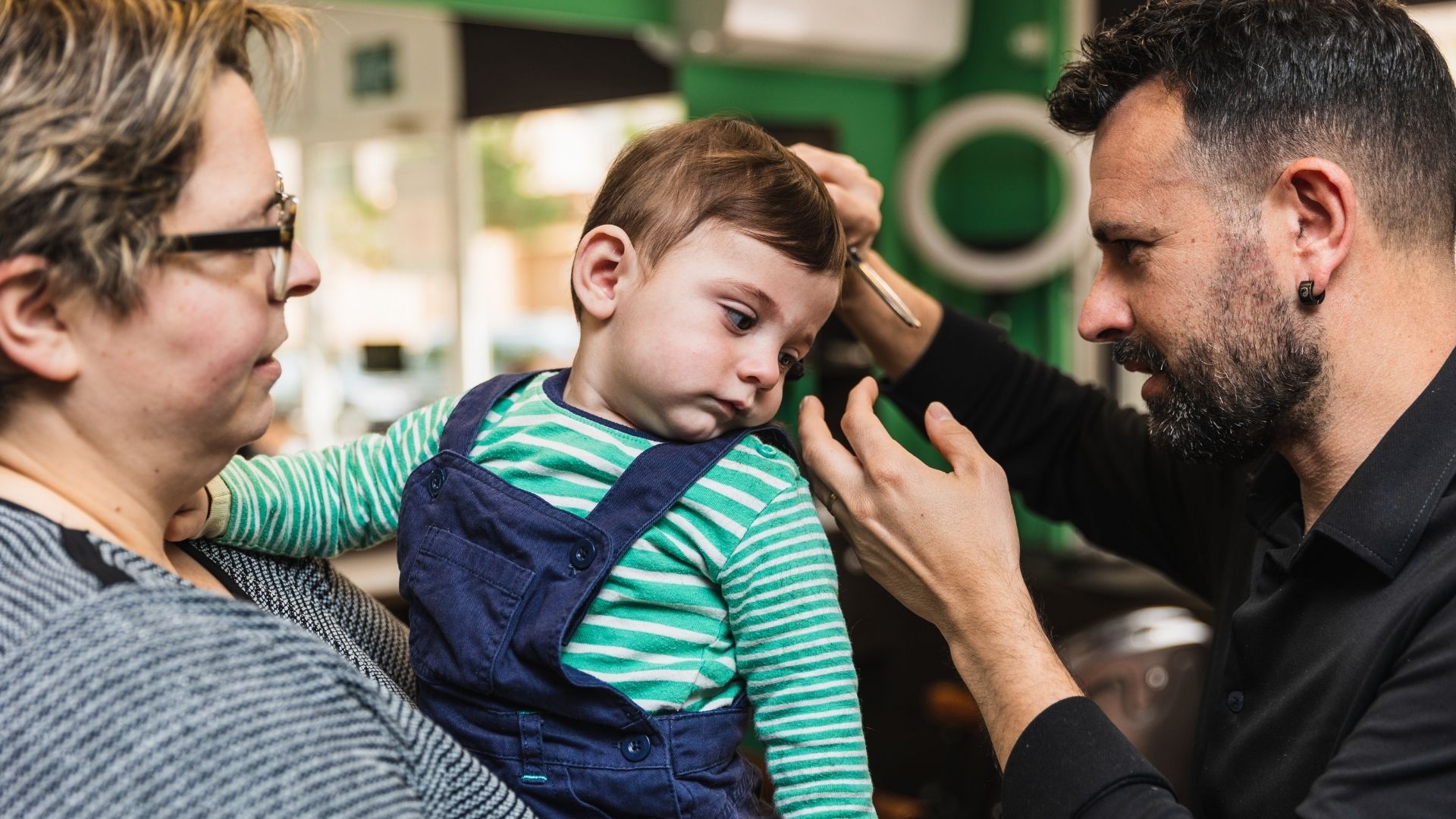
For extremely wiggly kids, some parents sit in the chair and hold their child on their lap during the cut. Most barbers are completely fine with this arrangement, especially for first-timers.
The Kid Who Wants a Wild, Impractical Style
If your eight-year-old wants a full mohawk with lightning bolt shaved into the side, and it is not against school dress code, let them have some fun with it. Hair grows back. Confidence and self-expression matter more than a few weeks of an unconventional style.
The Kid With Sensory Sensitivities
For children with sensory processing differences, look specifically for barbers experienced with sensory-friendly haircuts. Many shops now offer quieter hours, noise-canceling headphones, and extra patience for these appointments.
These scenarios come up more often than you would think, and knowing how to handle them ahead of time takes a lot of the stress out of haircut day. Now let us look at where things are headed, because kids haircuts are evolving just like everything else in the grooming world.
Trends and Expert Insights in Kids Haircuts
The kids haircut world has changed a lot over the past decade. Social media has turned young athletes and influencers into style icons, and kids notice.
The Rise of Personalized Designs
Barbers are increasingly skilled at cutting designs directly into hair, from simple lines to intricate patterns. This trend has grown alongside the popularity of custom, expressive styles among adult clients too.
Longer Hair on Boys Making a Comeback
For years, short and tapered was the default expectation for boys. Recently, longer, textured styles have become more accepted and requested, giving kids more room to express individuality.
Sustainability and Product Awareness
More parents are asking about the ingredients in products used on their child’s hair and scalp, favoring sulfate-free shampoos and gentler styling products designed specifically for kids.
Trends will keep shifting, but the fundamentals of a good kids haircut experience, patience, the right environment, and a skilled barber, stay the same. Let us wrap this up with a clear action plan you can actually use.
Your Action Plan for a Great Kids Haircut Experience
- Watch for signs of readiness rather than rushing based on age alone
- Research and choose a kid-friendly shop, checking reviews for patience and speed
- Prepare your child with calm conversation and practice sessions at home
- Time the appointment around naps and meals to avoid meltdowns
- Communicate hair type and style preferences clearly with the barber
- Stick to a consistent trim schedule based on your child’s age and style
- Budget realistically based on style maintenance needs
- Stay flexible if the first attempt does not go perfectly
A first haircut is a milestone, not just a task on your to-do list. Treat it with a little patience and it becomes a memory instead of a battle.
Frequently Asked Questions
How long should a child’s first haircut appointment take?
Most first haircuts take between 10 and 20 minutes, factoring in warm-up time, breaks, and the actual cutting. Do not expect it to move as fast as an adult haircut.
Is it normal for a toddler to cry during their first haircut?
Yes, it is extremely common. The unfamiliar sensation, noise, and stranger holding tools near their face can overwhelm many toddlers. Most kids adjust after a few visits.
Should I let my child watch videos of other kids getting haircuts before their appointment?
This can help. Watching a calm, positive haircut video sets expectations and shows them it is not a scary experience, especially if the video features a similarly aged child.
How often should kids get a haircut?
Toddlers typically need a trim every eight to twelve weeks, while older kids with styled cuts often need one every four to six weeks to maintain shape.
Can I cut my child’s hair at home instead of going to a shop?
Absolutely, especially for basic trims. Just invest in a quality clipper set and take your time. For detailed styles like fades, a professional barber will usually get a cleaner result.
What if my child has a meltdown mid-haircut?
Pause the cut, offer comfort or a distraction, and resume when they are calm. Many barbers are happy to split the appointment into two shorter sessions if needed.
How do I find a good barber for my child’s specific hair type?
Search reviews mentioning your child’s hair texture specifically, whether that is curly, coily, or fine hair, and do not hesitate to call ahead and ask the shop directly about their experience.
What should I do if my child hates their haircut once it is done?
Reassure them that hair grows back quickly, and avoid overreacting. If the cut is uneven or a genuine mistake, most shops will offer a free fix within a week or two.
Final Thoughts: Building a Lifelong Haircut Habit
Every great head of hair starts with a first cut, and every confident kid eventually turns into an adult who knows exactly what they want when they sit in the chair. The habits you build now, patience during tough appointments, respect for their opinions, consistency with trims, shape how your child feels about grooming for the rest of their life.
A haircut is never just a haircut. It is a small ritual of care, confidence, and connection between a parent, a child, and the person holding the scissors. Treat it that way, and you will both walk out of that shop looking sharp and feeling good about it.