You’ve felt it. That moment standing in the drugstore aisle, holding a bottle that promises “salon quality” for eight dollars, wondering if it’s actually any different from the stuff sitting on a shelf at your barbershop for three times the price. Here’s the truth: it is different, and the gap between what’s in that cheap bottle and what your barber hands you after a fresh cut isn’t marketing spin. It’s chemistry, it’s history, and it’s a habit that pays off every single day you walk out the door. This piece breaks down what separates professional haircare from the mass-market stuff, how to figure out what your hair actually needs, and how to build a routine that doesn’t cost a fortune but does the job right. By the end, you’ll know exactly what to buy, why, and how to talk to your barber about it like you’ve been doing this for years.
Key Takeaways
- Professional haircare products use higher concentrations of active ingredients and fewer cheap fillers, which is why they perform better and last longer per use.
- Understanding your hair type and scalp condition is the single most important step before spending money on any product.
- Cost per use, not sticker price, is the number that actually matters when comparing professional and drugstore products.
- A basic three-product routine (shampoo, conditioner, styling product matched to your hair) covers 90% of what most men need.
- Your barber is a free resource. Use the relationship. They already know your hair better than any product label does.
The Moment You Stop Settling for Drugstore Shelves
There’s a specific moment in a man’s grooming life. Maybe you’re 24 and just got your first real haircut from an actual barber instead of whoever was cheapest near campus. Maybe you’re 45 and finally noticed your hair looks different than it did a decade ago. Whatever the trigger, it’s the moment you stop grabbing whatever’s on sale at the pharmacy and start asking, “what am I actually putting on my head?”
What Actually Separates Professional Products from the Rest
Professional products are formulated with higher percentages of active ingredients and lower percentages of water and cheap surfactants. A drugstore shampoo might be 80% water with a sulfate detergent doing the heavy lifting. A professional shampoo cuts that water content down and replaces it with conditioning agents, proteins, and pH-balanced cleansers that clean without stripping. The difference isn’t marketing. It’s the ingredient deck, and you can read it yourself on the back of any bottle.
The Hidden Cost of Cheap Hair Products
Cheap products often require more product per use because they’re diluted, which means you’re refilling more often. They also tend to strip natural oils, which triggers your scalp to overproduce oil, which means you’re washing more often, which strips more oils. It’s a cycle. According to the American Academy of Dermatology, over-washing with harsh detergents is one of the most common causes of scalp irritation and dandruff-like flaking in men. That “cheap” bottle ends up costing you in irritation, in extra product, and in bad hair days.
Why Your Barber Keeps Recommending Specific Brands
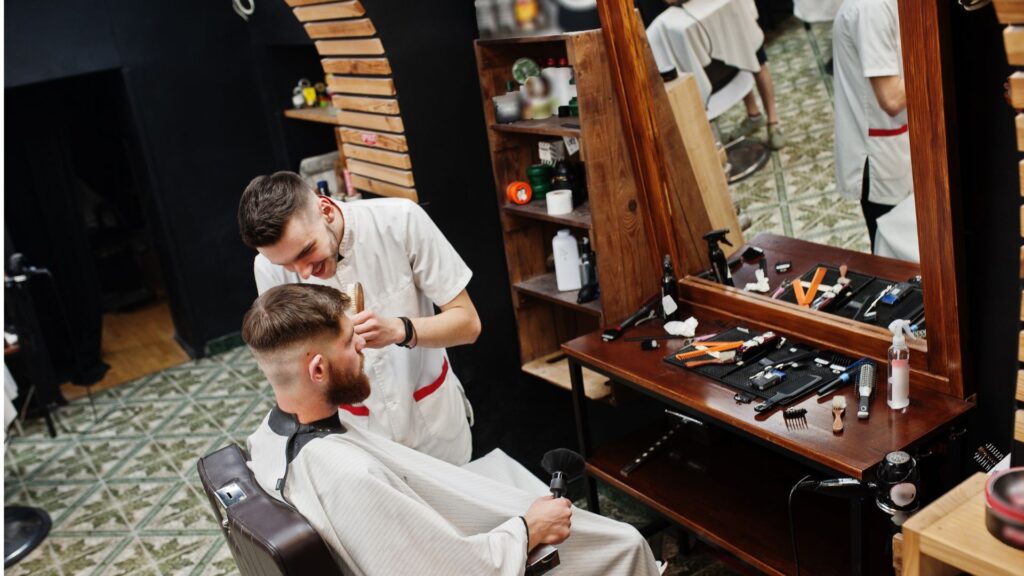
Your barber isn’t upselling you for fun. Barbers see the results of different products on real heads, every single day, for years. When a barber recommends a specific pomade or shampoo, it’s because they’ve watched it work (or fail) on dozens of clients with hair like yours. That’s field-tested knowledge, not a marketing budget talking.
This is the foundation. Once you understand why the products themselves are different, it helps to understand where this whole industry came from.
A Quick History of Men’s Haircare (And Why It Matters Now)
Men’s grooming didn’t start with fifteen-dollar pomades in matte black tins. It started in barbershops that smelled like talc and bay rum, with straight razors stropped on leather and hot towels steaming on a rack. Knowing where this industry came from helps explain why “professional” still means something today.
From Pomades and Tonics to Modern Formulations
In the early 1900s, men used heavy petroleum-based pomades to slick hair down, largely because that’s what was available. These products built up on the scalp and required serious washing to remove. By the mid-1900s, hair tonics with alcohol bases became popular for a lighter finish. Modern formulations have moved toward water-based and clay-based products that offer hold without the heavy buildup of old-school pomade.
| Era | Popular Product Type | Base Ingredient | Main Drawback |
| Early 1900s | Heavy pomade | Petroleum | Hard to wash out, heavy shine |
| 1940s-1960s | Hair tonic | Alcohol | Drying to scalp |
| 1970s-1990s | Gel | Polymer/water | Flaking, stiff hold |
| 2000s-present | Clay, paste, water-based pomade | Water/wax blends | Requires reapplication for humidity |
How the Barbershop Shaped Men’s Grooming Culture
The barbershop has always been more than a place to get a haircut. It’s where grooming knowledge got passed down, chair to chair, generation to generation. A father brought his son in for his first haircut, and that son grew up watching what products the barber used and trusting that recommendation because it came with a relationship, not an ad campaign.
The Rise of the Professional Product Market
The professional hair care market has grown as more men treat grooming as part of their routine rather than an occasional chore. Industry data (covered in more detail later in this piece) shows steady growth in men’s grooming spend over the past decade, driven largely by product education, social media, and barbershops themselves stocking retail shelves.
Understanding this history is useful, but it doesn’t tell you what your hair specifically needs. That’s the next step.
Understanding Your Hair Type Before You Buy Anything
Buying products without knowing your hair type is like buying shoes without knowing your size. You might get lucky, but you’re mostly guessing.
The Four Main Hair Texture Categories for Men
Hair generally falls into four broad texture categories: straight, wavy, curly, and coily. Each category behaves differently with moisture, product absorption, and styling hold.
| Hair Type | Characteristics | Common Needs |
| Straight | Lies flat, tends to get oily faster | Lightweight products, frequent washing |
| Wavy | Some texture, prone to frizz | Balanced moisture, light hold products |
| Curly | Defined curl pattern, dry-prone | Heavy moisture, curl-defining cream |
| Coily | Tight coil pattern, most moisture-dependent | Deep conditioning, leave-in products |
Scalp Health vs. Hair Health — They’re Not the Same Thing
Your hair can look fine on the surface while your scalp is a mess underneath, and vice versa. Scalp health refers to oil balance, flaking, and irritation. Hair health refers to the strand itself: elasticity, breakage, shine. Treating one doesn’t automatically fix the other, which is why a good routine addresses both separately.
How to Read Your Own Hair and What It’s Telling You
If your hair is limp by midday, that’s usually a sign your scalp is overproducing oil, or your product is too heavy. If your hair feels straw-like and breaks when you run a comb through it, that’s a moisture and protein imbalance. Your hair is always telling you something. Most men just never learned to listen.
Hair Type vs. Hair Condition — Knowing the Difference
Hair type is genetic and permanent. Hair condition changes based on damage, weather, diet, and product use. A man with naturally straight hair can still have a damaged, dry condition from over-processing or heat styling. Knowing the difference keeps you from buying products meant to change your type when what you actually need is to repair your condition.
Now that you know your hair type, it’s time to understand what’s actually in the bottle and why it matters.
The Science Behind Professional Haircare Formulations
This is where the real gap between professional and drugstore products shows up, on a molecular level.
Ingredients That Actually Work — and Why They’re in Pro Products
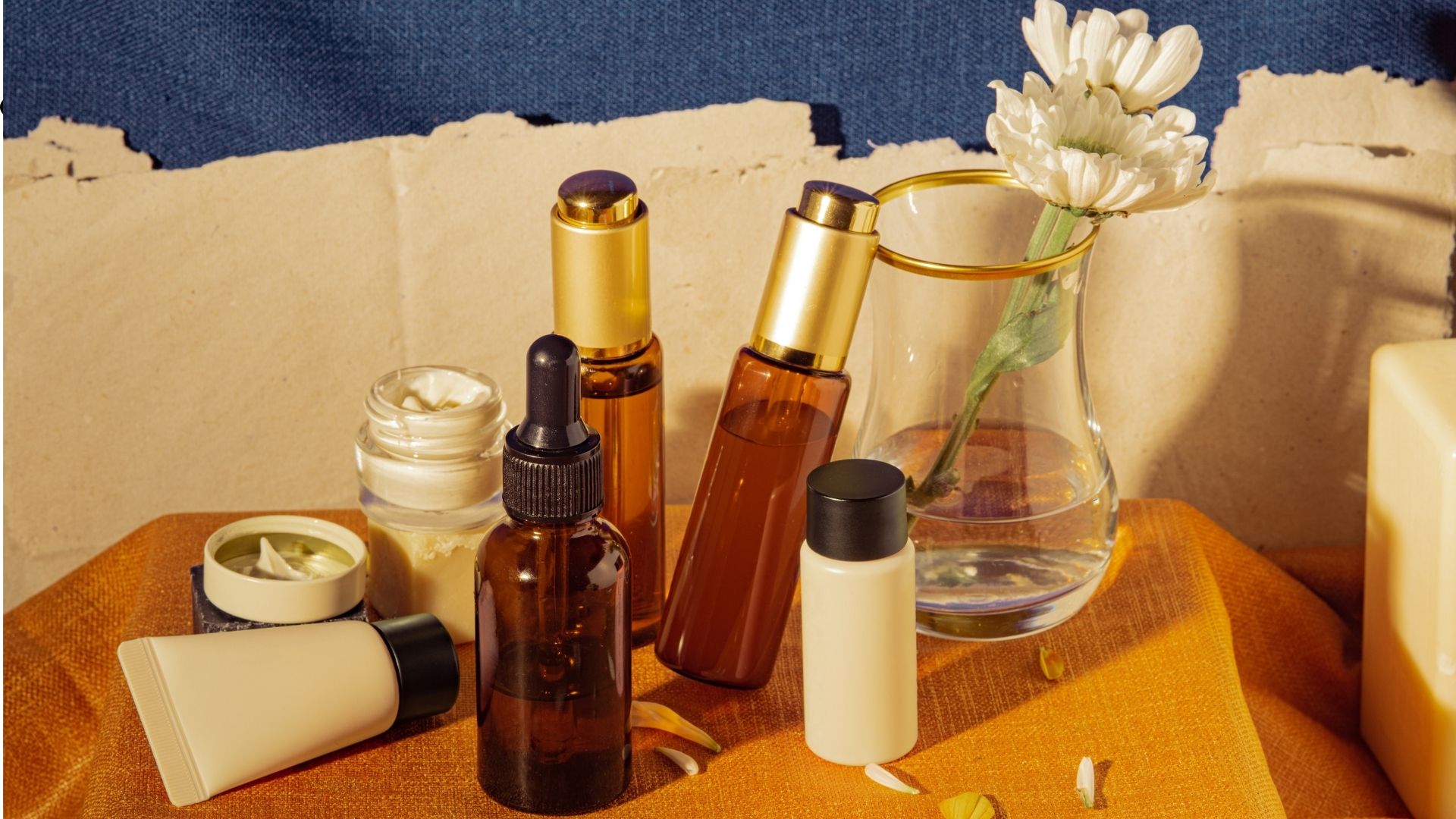
Professional formulations tend to include hydrolyzed proteins (keratin, silk, wheat), which temporarily bond to damaged areas of the hair shaft and strengthen it. They also use plant-based oils like argan and jojoba, which closely mimic the natural sebum your scalp produces, meaning they absorb rather than sit on top of the hair.
What Gets Left Out of Drugstore Formulas
Budget formulas often skip these active ingredients entirely, or include them in trace amounts, listed near the bottom of the ingredient list where concentration is lowest. Instead, they lean on cheap silicones that coat the hair and create a temporary illusion of shine and smoothness while doing nothing for the hair’s actual condition.
pH Levels, Protein Bonds, and Why They Matter to Your Hair
Healthy hair and scalp sit at a slightly acidic pH, generally between 4.5 and 5.5. Many cheap shampoos are formulated at a higher, more alkaline pH because it’s cheaper to produce, but this opens the hair cuticle, causing frizz and moisture loss. Professional shampoos are typically pH-balanced specifically to keep the cuticle closed.
The Role of Preservatives, Fillers, and Fragrance
Every product needs some preservative to prevent bacterial growth, and that’s true for professional and drugstore products alike. The difference is filler content. Drugstore products often use fillers and heavy synthetic fragrance to mask the smell of cheap base ingredients. Professional products invest more in the active formula and less in an overpowering scent.
With the science covered, let’s get into the actual products, starting with the one step nearly every man gets wrong.
Shampoo — The Foundation Nobody Gets Right
Shampoo is the most-used haircare product in the world, and also the most misused.
Why Most Men Are Washing Their Hair Wrong
Most men scrub their scalp like they’re trying to remove paint, using way more product than necessary, then rinse for ten seconds and call it done. Proper washing means working the shampoo into the scalp with fingertips (not nails), letting it sit for thirty seconds to actually break down oil buildup, and rinsing thoroughly.
Professional Shampoo vs. Supermarket Shampoo — A Direct Breakdown
| Factor | Professional Shampoo | Supermarket Shampoo |
| Active ingredient concentration | High | Low to moderate |
| Water content | Lower | Higher |
| pH balance | Typically formulated to 4.5-5.5 | Often higher, less controlled |
| Sulfate use | Often sulfate-free or mild surfactants | Often harsh sulfates |
| Price per ounce | Higher upfront | Lower upfront |
| Cost per use over time | Comparable or lower | Higher due to overuse |
Clarifying, Moisturizing, Scalp-Specific — Which One Do You Need?
Clarifying shampoo strips buildup and is meant for occasional use, not daily washing. Moisturizing shampoo is for dry hair and scalp types. Scalp-specific formulas target dandruff, sensitivity, or excess oil. Using the wrong one, like clarifying shampoo every single day, will dry out even the toughest scalp.
How Often Should You Actually Wash Your Hair?
Most men do not need to wash their hair every single day. Two to four times a week is sufficient for most hair types, with daily rinsing (without shampoo) acceptable if you’re active. Overwashing strips natural oils and creates the very problems men think they’re solving.
Shampoo lays the groundwork, but it’s only half the equation. The other half is what most men skip entirely.
Conditioners, Treatments, and the Products Men Skip
Ask ten men if they use conditioner and you’ll get maybe three honest yeses.
Why Conditioner Is Not Optional
Shampoo cleans, but it also opens the hair cuticle. Conditioner closes it back down, sealing in moisture and smoothing the strand. Skipping conditioner after shampooing is like washing your car and never applying wax. It’ll look fine for a day, then start looking rough.
Deep Conditioning Treatments vs. Daily Conditioners
Daily conditioners are lightweight and meant for regular use after every wash. Deep conditioning treatments are heavier, left in for five to fifteen minutes, and meant for weekly or biweekly use to repair more serious dryness or damage.
Leave-In Products — The Missing Step in Most Men’s Routines
Leave-in conditioners and creams provide ongoing protection throughout the day, particularly useful for curly and coily hair types that dry out faster. They also create a base layer that helps styling products distribute more evenly.
Once your foundation is solid, styling is where personality and finish come into play.
Styling Products and the Art of Finishing Strong
This is the part most men actually care about, the part that shows.
Pomades, Clays, Waxes, and Gels — What Each One Actually Does
Pomade provides shine and medium-to-strong hold, ideal for slicked or combed styles. Clay provides a matte finish with strong hold, ideal for textured, natural-looking styles. Wax offers flexible hold with a slight sheen. Gel provides the strongest hold with a wet or high-shine finish, though it can flake if overused.
| Product | Finish | Hold | Best For |
| Pomade | Shiny | Medium-Strong | Slick, combed styles |
| Clay | Matte | Strong | Textured, natural looks |
| Wax | Slight sheen | Medium | Flexible, everyday styles |
| Gel | Wet/high shine | Very strong | Structured, all-day hold |
Hold vs. Finish — Understanding the Two Axes of Styling
Every styling product sits somewhere on two scales: how strong the hold is, and how shiny or matte the finish looks. Understanding these two axes independently helps you choose a product based on the actual look you want, rather than guessing from the tin’s name.
How to Apply Styling Products the Right Way
Start with a dime-sized amount on towel-dried, not soaking wet, hair. Warm the product between your palms first. Work from the back of the head forward, and build up if you need more rather than starting with too much.
Professional Styling Products vs. Drugstore Brands — A Side-by-Side
| Factor | Professional | Drugstore |
| Ingredient quality | Waxes, natural oils, refined clays | Petroleum-heavy, synthetic fillers |
| Reapplication needed | Less frequent | More frequent |
| Residue/buildup | Minimal | Common with heavy use |
| Scent quality | Subtle, curated | Often synthetic or overpowering |
Styling is only as good as the scalp it’s built on top of, which brings us to a topic most men ignore entirely.
Scalp Care — The Part of Haircare Nobody Talks About Enough
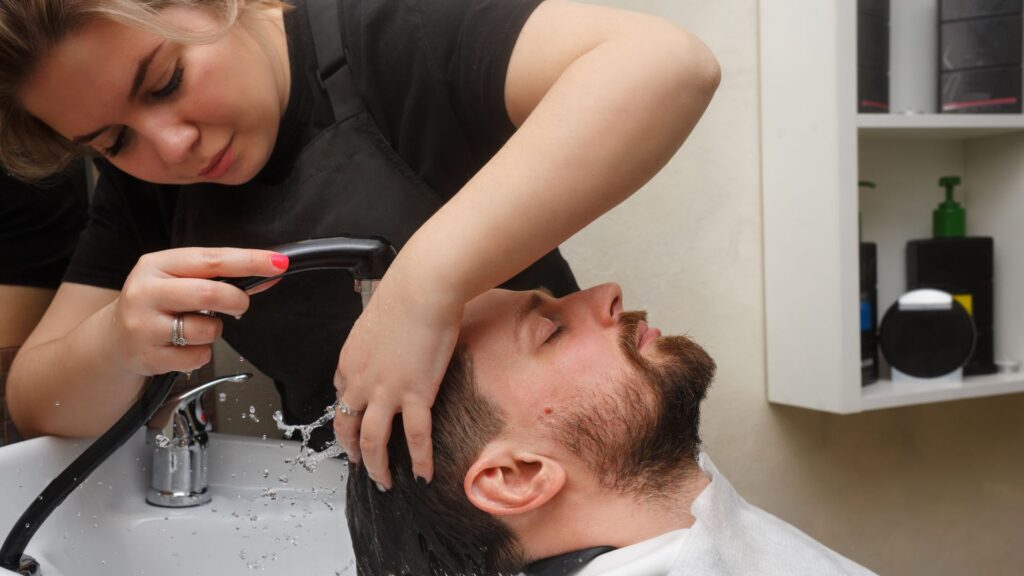
Healthy hair grows from a healthy scalp. It’s that simple, and it’s routinely ignored.
Why a Healthy Scalp Is the Root of Everything
Think of your scalp like soil. Bad soil grows weak plants no matter how much you water them. A scalp with clogged follicles, excess oil, or chronic irritation will produce weaker, thinner hair over time, regardless of what products you apply to the strands themselves.
Dandruff, Oiliness, Dryness, and Sensitivity — Matching Products to Problems
| Scalp Issue | Common Cause | Product Type to Use |
| Dandruff | Fungal overgrowth (Malassezia) | Anti-fungal shampoo (zinc pyrithione, ketoconazole) |
| Oiliness | Overactive sebaceous glands | Clarifying, lightweight formulas |
| Dryness | Under-moisturized scalp | Hydrating shampoo, scalp oil |
| Sensitivity | Harsh ingredients, allergies | Fragrance-free, gentle formulas |
Scalp Treatments, Serums, and Oils Worth Investing In
Scalp serums with ingredients like caffeine or peppermint oil can stimulate circulation. Pre-shampoo oil treatments help loosen buildup before washing. These aren’t luxury extras, they’re maintenance tools, the same way you’d rotate your tires instead of waiting for a blowout.
With the products themselves covered, it’s time to address the question everyone’s actually asking.
The Price Conversation — Is Professional Really Worth the Extra Cost?
Let’s talk numbers, because that’s what actually decides most purchases.
Breaking Down the Cost Per Use of Professional vs. Drugstore Products
| Product | Price | Uses per Bottle | Cost Per Use |
| Drugstore shampoo (12 oz) | $6 | ~24 washes | $0.25 |
| Professional shampoo (8 oz, concentrated) | $22 | ~50 washes | $0.44 |
| Drugstore pomade (4 oz) | $5 | ~40 uses | $0.13 |
| Professional pomade (4 oz) | $18 | ~90 uses (less product needed per use) | $0.20 |
The gap in cost per use is much smaller than the sticker price suggests, because professional products are concentrated and require less product each time.
What You’re Actually Paying For
You’re paying for higher-grade ingredients, better formulation science, and often a smaller, more specialized company rather than a mass-market conglomerate. You’re also paying for consistency: professional products tend to perform the same way every time, batch after batch.
Budgeting for a Professional Haircare Routine Without Going Overboard
A basic professional routine, one shampoo, one conditioner, one styling product, typically runs $50 to $70 total, and each product lasts one to three months with regular use. That works out to roughly $20-$30 a month, less than most men spend on coffee.
When It’s Okay to Mix Professional and Affordable Products
You don’t need to go all-in immediately. Start with a professional shampoo since it has the most direct impact on scalp health, and keep an affordable conditioner if budget is tight. Upgrade piece by piece as you notice what makes the biggest difference for your specific hair.
Cost matters, but so does matching products to your specific hair journey, which varies a lot more than people assume.
Professional Products for Different Hair Journeys
Not every head of hair has the same story, and the products should reflect that.
Natural and Coily Hair — Products That Honor the Texture
Coily hair loses moisture faster than any other type because the coil pattern makes it harder for natural oils to travel down the strand. Look for products heavy on shea butter, natural oils, and humectants, and avoid anything with high alcohol content, which will dry curls out fast.
Fine and Thinning Hair — What Works and What Makes It Worse
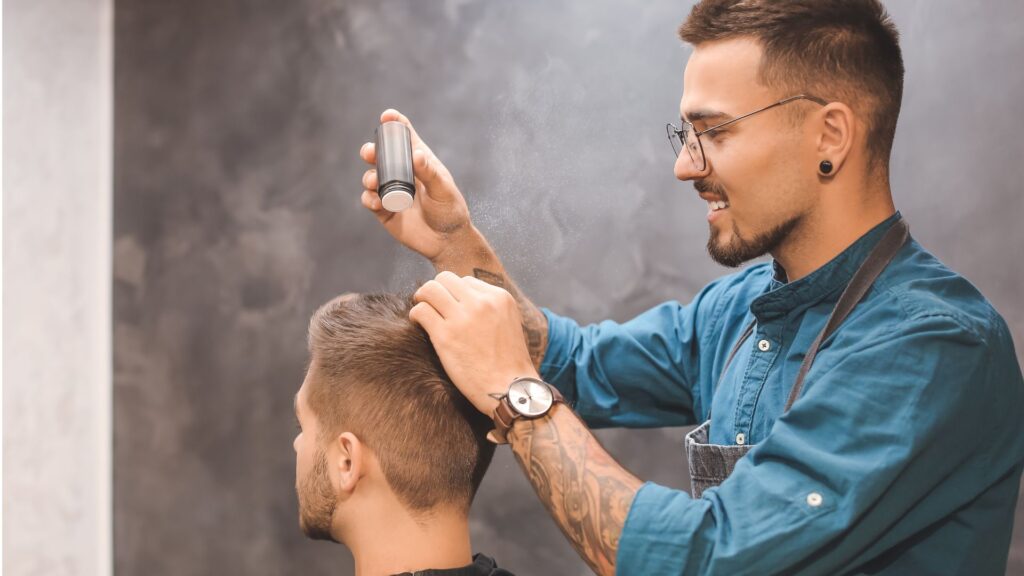
Fine or thinning hair needs lightweight volumizing formulas. Heavy pomades and waxes weigh the hair down and make thinning more visible. Look for thickening shampoos with biotin or caffeine, and avoid heavy conditioners applied at the root.
Color-Treated and Chemically Processed Hair — Protection Is Non-Negotiable
Color and chemical treatments (like relaxers) damage the hair cuticle. Sulfate-free, color-safe shampoos are essential here, since sulfates strip color and dry out already-compromised hair faster than untreated hair.
The Beard — Professional Products Below the Jaw Line
Beard hair is coarser and grows from different follicles than scalp hair, meaning it needs its own products. Beard oil softens and conditions, beard balm adds light hold and shape. Using regular hair pomade on a beard will feel heavy and greasy against the skin.
Even with the right products for your hair journey, plenty of men still trip up on the basics. Let’s cover the most common mistakes.
Common Mistakes Men Make With Haircare Products
Most bad hair days aren’t a product problem, they’re a user error problem.
Using Too Much, Too Little, or the Wrong Product Entirely
More product doesn’t mean more hold. It usually means greasy, weighed-down hair that looks worse than if you’d used nothing at all. Start small and build up.
Mixing Incompatible Products and Killing Your Style
Layering a heavy pomade under a matte clay, or applying gel over a leave-in cream, can create a gummy, unworkable texture. Stick to one primary styling product at a time until you understand how your hair reacts.
Ignoring Expiration Dates and Product Shelf Life
Natural, preservative-light professional products can go bad faster than heavily preserved drugstore versions. A pomade that smells “off” or has separated should be replaced, not pushed through.
Skipping the Routine Entirely After a Fresh Cut
A fresh cut looks its best for the first few days, then starts to fade if there’s no maintenance routine behind it. The cut is the starting line, not the finish line.
Avoiding these mistakes is easier with a real routine in place, which is exactly what we’ll build next.
How to Build a Professional Haircare Routine From Scratch
Here’s the actual system, laid out step by step.
The Morning Routine — Quick, Effective, and Done in Under 10 Minutes
Wet or dampen hair, apply a small amount of leave-in or styling product, and shape with a comb or fingers. That’s it. Ten minutes, most of it spent deciding on the part.
The Weekly Routine — Treatments, Deep Cleans, and Resets
Once a week, use a clarifying shampoo to remove product buildup, followed by a deep conditioning treatment to restore moisture. This “reset” keeps your regular routine performing at its best.
Seasonal Adjustments — What Changes in Winter, Summer, and Between
Winter air is dry and strips moisture faster, so heavier conditioners and scalp oils help. Summer heat and sweat call for lighter, oil-controlling products and more frequent washing.
A Starter Checklist for Men Who Are Just Getting Into It
| Step | Product Needed | Frequency |
| Cleanse | Shampoo matched to hair/scalp type | 2-4x per week |
| Condition | Daily conditioner | Every wash |
| Treat | Deep conditioner or scalp treatment | Weekly |
| Style | Pomade, clay, wax, or gel | Daily |
| Beard (if applicable) | Beard oil/balm | Daily |
With a routine built, it helps to know the bigger picture behind why this industry keeps growing.
What the Industry Data Says About Professional Haircare
The numbers back up what barbershops have known for decades: men are spending more time and money on their hair than ever before.
Market Size, Growth Projections, and What They Mean for You
The global men’s grooming market has been on a steady upward trajectory over the past several years, driven largely by increased product awareness and self-care habits among men. As demand grows, more brands compete for shelf space, which has actually driven prices down on many mid-tier professional products, making them more accessible than a decade ago.
Consumer Trends — How Men’s Grooming Habits Are Shifting
More men are researching ingredients before buying, following barbers and stylists on social media for product recommendations, and treating grooming as part of a broader self-care routine rather than a once-a-month errand.
What Dermatologists and Trichologists Are Recommending
Dermatologists consistently recommend sulfate-free, pH-balanced products for daily use, and caution against over-washing. Trichologists, who specialize specifically in hair and scalp health, generally recommend treating scalp care as seriously as skincare, since the scalp is, after all, skin.
Understanding the market helps explain why professional haircare makes a genuinely great gift, which brings us to the next section.
Gift-Buying Guide — Professional Haircare for the Men in Your Life
If you’ve ever stood in a store trying to figure out what to get the man who has everything, this one’s for you.
What to Buy for Different Ages and Hair Types
| Recipient | Suggested Product Focus |
| Teen son, first real haircut phase | Lightweight styling cream, basic shampoo |
| Adult son or partner, everyday grooming | Full three-product routine set |
| Father or grandfather, thinning hair | Volumizing shampoo, scalp serum |
| Bearded recipient | Beard oil and balm combo |
How to Build a Professional Haircare Gift Set
Pair a shampoo and conditioner with one styling product and a nice comb or brush. Presentation matters here, a simple box or bag elevates the whole thing without needing to spend extra on the products themselves.
Mistakes Gift-Buyers Make and How to Avoid Them
The biggest mistake is buying based on scent alone without considering hair type. A gift set that’s wrong for the recipient’s hair often goes unused. When in doubt, a gift card to a local barbershop is always a safe, appreciated choice.
Now, let’s answer the questions that come up again and again in the chair.
Your Questions Answered — The Master FAQ on Professional Haircare
Is professional haircare really necessary, or is it just marketing?
It’s not just marketing. Professional products generally contain higher concentrations of active ingredients and are formulated at a pH closer to your scalp’s natural balance, which produces measurably better results for most hair types over time.
How long does it take to see a difference after switching to professional products?
Most men notice a difference in texture and manageability within two to three weeks, since that’s roughly how long it takes for product buildup from old formulas to fully wash out and new formulas to take effect.
Can I use professional products even if I get a basic razor shave and short haircut?
Yes. Even a low-maintenance cut and a clean razor shave benefit from proper scalp care, since scalp health affects hair growth and skin condition regardless of how short your style is.
Do I need different products for my beard than my hair?
Yes. Beard hair is coarser and grows close to facial skin, which is more sensitive than the scalp. Beard-specific oils and balms are formulated with this in mind, while regular hair products can feel heavy or irritate facial skin.
What’s the single most important product to upgrade first?
Shampoo. It’s used most frequently and has the biggest direct impact on scalp health, which affects everything else in your routine.
How much should I actually be spending per month on haircare?
A reasonable professional routine costs $20 to $30 per month when you break down the cost per use, which is comparable to many drugstore routines once you account for how much less product you need.
Will professional products fix hair loss?
No single product reverses genetic hair loss, but scalp-focused professional treatments can improve the health of existing hair and the scalp environment it’s growing from. See a dermatologist for medical hair loss concerns.
Can I mix products from different professional brands?
Yes, there’s no rule requiring you to stick to one brand. Mix and match based on what performs best for your specific shampoo, conditioner, and styling needs.
How do I know if a product isn’t working for my hair?
If your hair feels greasy within a few hours, looks flat, or your scalp starts itching or flaking after switching products, that’s a sign it’s not the right match, and it’s worth trying a different formula.
Should kids and teenagers use professional products too?
Younger hair is generally healthier and more resilient, so a basic, gentle shampoo is usually sufficient. As teenagers start caring more about styling, introducing a lightweight professional styling product is reasonable.
With the questions answered, here’s how to actually get started this week.
The Action Plan — How to Start Investing in Your Hair This Week
Knowledge without action doesn’t grow hair or improve it. Here’s your plan.
Step 1 — Audit Your Current Products
Check what’s currently in your shower and medicine cabinet. Read the ingredient labels. If water is the first ingredient followed immediately by a sulfate, that’s your starting point for an upgrade.
Step 2 — Identify Your Hair Type and Priority Concerns
Use the hair type chart earlier in this piece. Be honest about your biggest issue, whether that’s dryness, oiliness, thinning, or damage, and shop for that first.
Step 3 — Build Your Core Three-Product Setup
Shampoo, conditioner, and one styling product matched to your hair type and desired finish. Resist the urge to buy five products at once. Master the basics first.
Step 4 — Talk to Your Barber and Make It a Habit
Bring your questions to your next appointment. Barbers see hundreds of heads a year and can spot what your hair needs faster than any online quiz.
Conclusion
This isn’t really about shampoo. It’s about showing up as the version of yourself you want to be.Studies on grooming and self-perception consistently show that men who maintain a consistent grooming routine report higher confidence in professional and social settings. Looking put-together changes how you carry yourself, and other people notice that shift before they notice the specific product behind it.
A healthy scalp and well-maintained hair now reduce the likelihood of preventable damage, breakage, and irritation later. Small daily habits compound, the same way skipping the gym for one day doesn’t matter, but skipping it for a year does.Your barber isn’t just there for the twenty minutes in the chair. That relationship is an ongoing resource for product advice, style adjustments, and honest feedback you won’t get anywhere else. Use it. That’s what it’s there for. Walk into your next appointment with a question instead of just a nod, and let your barber point you toward the products that actually fit your head, not just your budget.