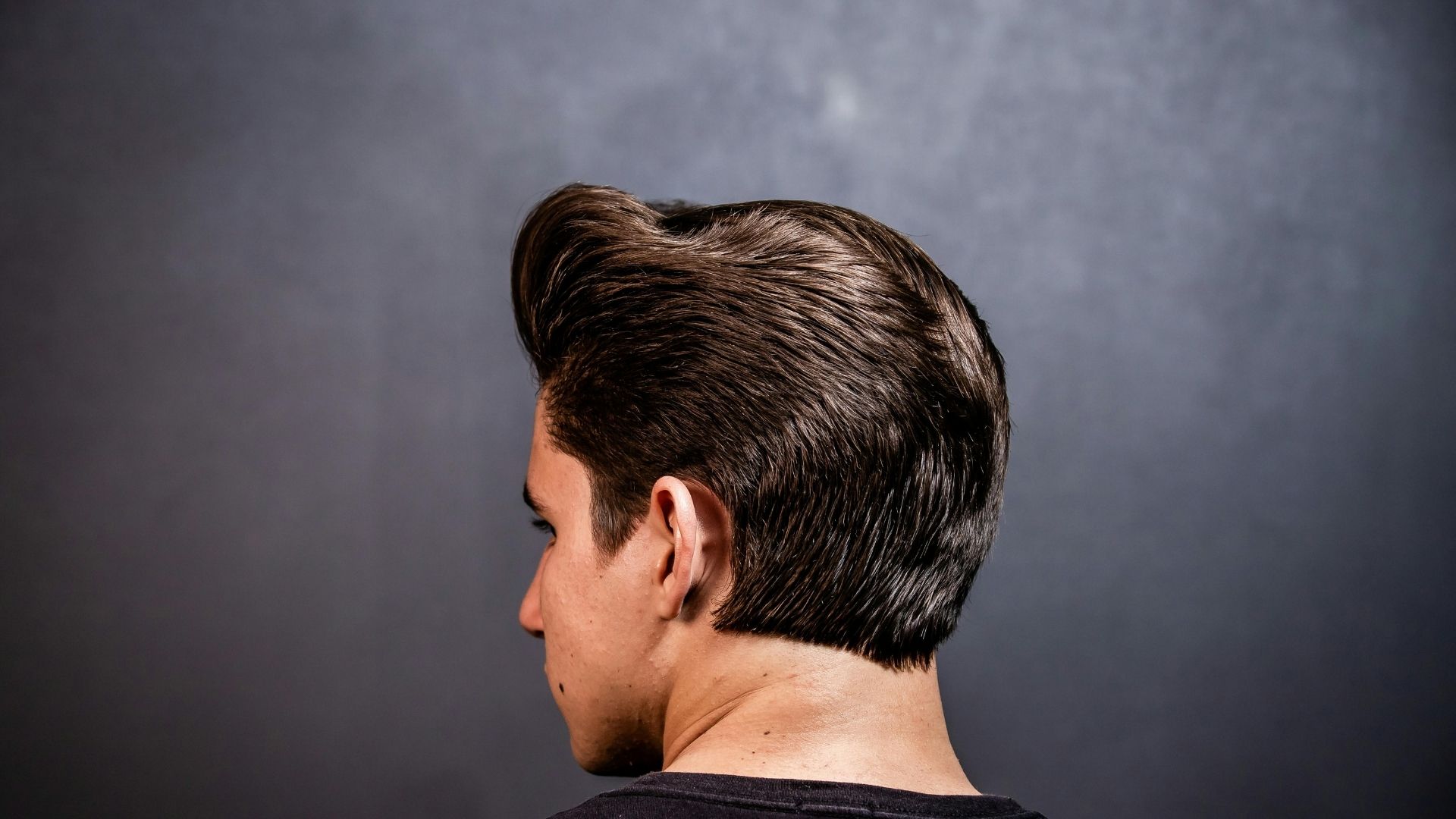
Ask any barber worth his chair time and he’ll tell you the same thing: a great haircut can be undone by a sloppy line up, and a mediocre haircut can be saved by a sharp one. The line up is the last five minutes of the appointment, but it’s the part your reflection judges first. It frames your face, sharpens your hairline, and tells the world whether you take care of yourself or just showed up. This guide breaks down what a line up actually is, how it’s done right, what tools and products matter, how much it should cost, and the mistakes that turn a clean edge into a regret. Whether you’re a first-timer trying to understand barbershop lingo, a father booking for your son, or someone shopping for a gift certificate, you’ll walk away knowing exactly what to expect and how to ask for it.
Key Takeaways
- A line up is the precise edging of the hairline, temples, and sideburns that frames and finishes a haircut.
- The difference between an average haircut and a sharp one often comes down to this final five-minute step, not the length or style itself.
- Face shape, hair texture, and hairline pattern all affect how a line up should be shaped.
- Clippers, trimmers, and straight razors each produce a different edge, and knowing which one to ask for changes the result.
- A line up needs upkeep every one to two weeks to stay crisp, which affects both cost and haircare routine.
- Mistakes like over-edging, ignoring natural hairline shape, or using dull blades are the most common reasons a line up looks worse instead of better.
What Exactly Is a Line Up?
A line up is the process of cleaning and defining the hairline, sideburns, and neckline with a clipper, trimmer, or straight razor to create a crisp, intentional edge. It’s sometimes called an “edge up” or “shape up” depending on the region and the barbershop, though those terms carry small technical differences covered later in this guide.
The Barbershop Definition vs. the Street Definition
Walk into a barbershop in Atlanta, Chicago, or Houston and ask for a line up, and you’ll get slightly different results depending on local style. In the barbershop world, a line up technically refers to sharpening the perimeter of the hair, meaning the front hairline, the temples, and the sideburns. On the street, people use “line up” loosely to describe the whole cleanup process, including the neckline and ear area. Both are correct in casual conversation. What matters is that you and your barber are picturing the same thing before the clippers come out.
Historically, the term grew out of Black barbershop culture in the 1970s and 80s, where sharp, geometric hairlines became a signature look tied to hip-hop and street style. Icons like Big Daddy Kane and later LL Cool J made the crisp line up a cultural statement, not just a grooming habit. That legacy still shapes how the technique is taught and valued in shops today.
Why the Line Up Matters More Than People Think
Here’s the thing nobody tells you when you’re eighteen and getting your first real haircut: the shape of the cut matters, but the edge is what makes it look finished. A fade can be flawless, the top can be textured perfectly, and none of it matters if the hairline looks fuzzy or uneven. The line up is the frame around the picture. Skip it or rush it, and the whole haircut looks unfinished, like a painting missing its border.
Barbers often describe it as the difference between a haircut that “reads clean” from ten feet away and one that only looks decent up close. A tight line up creates contrast, sharpens facial features, and gives the illusion of a more defined jawline and forehead. That’s not vanity talk, that’s basic visual framing, the same principle used in photography and design.
Line Up, Edge Up, and Shape Up: Same Family, Different Cousins
| Term | What It Refers To | Common Region | Typical Tool |
| Line Up | Full perimeter cleanup: hairline, temples, sideburns | East Coast, South | Clippers with liner attachment |
| Edge Up | Front hairline and temple area specifically | Midwest, West Coast | Trimmer or T-blade |
| Shape Up | Broader term including neckline and beard connection | UK, parts of the South | Clippers and straight razor |
Knowing these terms helps you communicate clearly, especially if you’re booking online or texting a barber for the first time. Saying “shape up” to a Chicago barber and “line up” to a Miami barber might get you slightly different attention to detail, so it never hurts to describe exactly what you want.
This foundation matters because everything else in this guide, from tools to technique to upkeep, builds on the basic idea that the line up is a distinct skill, not just an afterthought tacked onto the end of a haircut.
The Science Behind Why a Sharp Line Up Looks So Good
There’s real visual science behind why a crisp hairline makes such a difference. Understanding it helps explain why some barbers charge more for this step and why rushing it never pays off.
Contrast, Symmetry, and the Way Eyes Track a Face
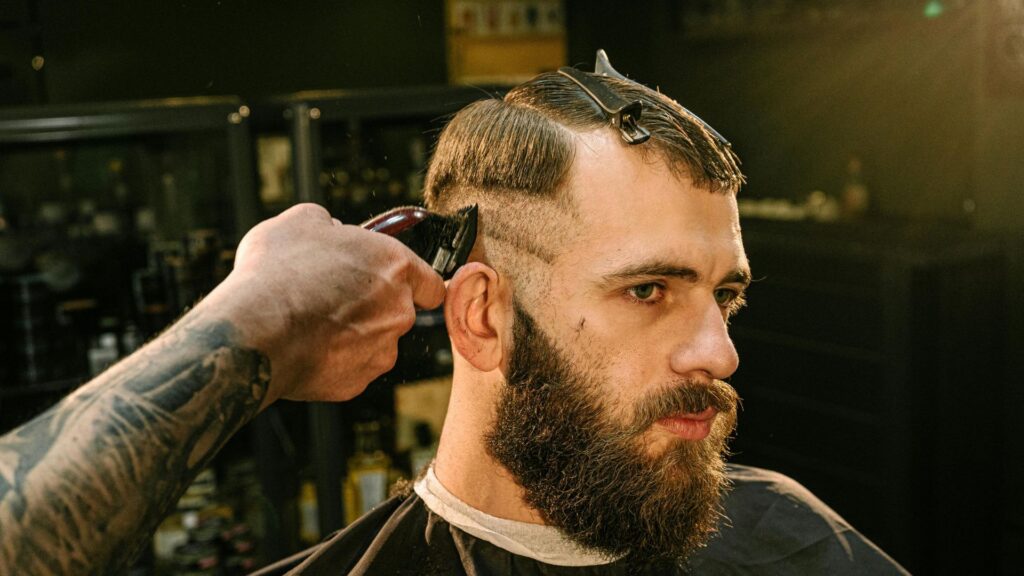
Human eyes are drawn to contrast and clean edges. A sharply defined hairline creates a visual boundary that frames the face the same way a picture frame draws attention to the art inside it. Softer, undefined edges blur that boundary, making the face look less structured. This is why a line up can make a round face appear slightly more angular, or a long face appear more balanced, depending on how the shape is cut.
Symmetry plays a role too. Most natural hairlines are not perfectly symmetrical, and a skilled barber adjusts the line to create the appearance of balance without making it look artificial. This is part art and part geometry, and it’s why an experienced barber’s eye is worth paying for.
Hair Growth Patterns and Why No Two Hairlines Are the Same
Every hairline has a natural pattern, whether it’s a widow’s peak, a straight edge, or a receding pattern at the temples. A good line up works with that pattern instead of fighting it. Barbers study growth direction, cowlicks, and density before touching a clipper to skin, because cutting against the grain of a natural pattern often creates gaps or uneven density once the hair grows back.
Skin Sensitivity and Why Technique Changes Person to Person
Skin type affects how a line up should be approached. Men with sensitive skin or a tendency toward razor bumps need a different technique than men with thicker, more resilient skin. This is especially relevant for curlier hair textures, which are more prone to ingrown hairs after a close razor line up. A barber who adjusts blade pressure, angle, and tool choice based on skin type is doing more than following a routine, he’s applying real dermatological awareness.
A Quick Look at the Tools Behind the Science
| Tool | Edge Precision | Skin Irritation Risk | Best For |
| Clipper with liner blade | High | Low | Most hair types, general upkeep |
| T-blade trimmer | Very high | Low to moderate | Fine detail work, sharp corners |
| Straight razor | Extremely high | Moderate to high | Bald fades, ultra-crisp edges |
This section sets up why technique matters so much, which leads directly into how a professional actually executes the process from start to finish.
Step-by-Step: How a Barber Executes a Perfect Line Up
Watching a skilled barber do a line up looks effortless, almost lazy in its speed. That’s deceptive. Every motion is deliberate, built on years of repetition. Here’s what’s actually happening during those five minutes.
Step One: Assessing the Natural Hairline Before Touching a Tool
Before any clipper touches skin, a good barber studies the hairline. They look at growth direction, natural recession points, cowlicks, and facial symmetry. This assessment takes ten to fifteen seconds but determines the entire outcome. Skipping this step is the number one reason inexperienced barbers create uneven or overly aggressive lines.
Step Two: Establishing the Guide Points
Barbers typically start by marking or lightly outlining key reference points, usually the center of the forehead, the outer corners of the eyebrows, and the top of the sideburns. These become anchor points for the rest of the line. Think of it like a tailor pinning fabric before cutting fabric, the guide points prevent drift and asymmetry.
Step Three: Cutting the Front Hairline
Using a liner clipper or T-blade, the barber creates the main horizontal line across the forehead, usually working from the center outward in short, controlled strokes. The blade angle stays nearly flat against the skin, and pressure stays light. Heavy pressure at this stage is a common beginner mistake that leads to an unnaturally straight, harsh line instead of one that flatters the natural hairline shape.
Step Four: Defining the Temples and Corners
The temple area requires the most control because the skin curves and the hair often grows in a different direction than the front hairline. Barbers slow down here, using shorter strokes and sometimes switching to a smaller trimmer for precision. This step is where the shape of the line up starts to take on personality, whether it’s a sharp square corner or a softer rounded edge.
Step Five: Cleaning the Sideburns
Sideburns get evened out to match the length and shape of the overall haircut. This step also involves checking that both sides are symmetrical, which sounds simple but requires constant comparison since faces are rarely perfectly even.
Step Six: The Final Detail Pass and Razor Finish
Many barbers finish with a straight razor or detail trimmer to sharpen the edges even further, removing any stray hairs the clipper missed. This final pass is what creates that “just left the barbershop” crispness that fades within a week or two.
| Step | Tool Used | Time Spent | Skill Level Required |
| Hairline Assessment | None | 10-15 seconds | High |
| Guide Points | Clipper or comb | 20-30 seconds | Moderate |
| Front Hairline | Liner clipper | 60-90 seconds | High |
| Temples | T-blade trimmer | 60-90 seconds | Very high |
| Sideburns | Trimmer | 30-45 seconds | Moderate |
| Final Razor Pass | Straight razor | 30-60 seconds | High |
Understanding this process helps you spot the difference between a rushed line up and a properly executed one, which naturally leads into how to choose the right style of line up for your specific face and hair.
Choosing the Right Line Up for Your Face Shape and Hair Type
Not every line up should look the same, even if the haircut behind it is identical. Face shape and hair type change what “correct” looks like.
Matching Line Up Shape to Face Shape
A square line up with sharp corners tends to suit round or oval faces because it adds definition and structure. A softer, slightly rounded line up often works better on square or angular faces, since it balances out strong jawlines instead of adding more hard edges. Long faces generally benefit from a line up that doesn’t push too far up the forehead, since a high line can elongate the face further.
| Face Shape | Recommended Line Up Style | Why It Works |
| Round | Sharp, square corners | Adds angles and definition |
| Oval | Balanced, slightly squared | Complements natural symmetry |
| Square | Softer, rounded edges | Balances strong jawline |
| Long | Lower, straighter line | Prevents elongating the face |
| Heart | Rounded temples | Softens wider forehead |
Adjusting for Hair Type and Texture
Curly and coily hair patterns often shrink and shift as they dry, meaning a line up cut while hair is wet can look different once fully dry. Experienced barbers account for this by leaving slightly more room around the edges when working with tighter curl patterns. Straight hair, by contrast, holds its cut shape more predictably, which is why line ups on straight hair tend to look sharper immediately after cutting.
Age and Hairline Changes
Hairlines shift over time, and a line up style that worked at twenty may not suit a receding hairline at forty. Barbers often recommend softening the line as recession begins, since trying to maintain a young, sharp square line on a receding hairline can actually draw more attention to thinning areas. This is a conversation worth having openly with your barber rather than avoiding.
This is also where fatherhood comes into play. Dads booking haircuts for sons often default to whatever style looks trendy, but a barber who understands face shape and hair type will guide a better decision than a photo pulled from social media.
With face shape and hair type covered, the next logical step is understanding the tools themselves, since the same technique produces different results depending on what’s actually touching the skin.
Tools of the Trade: Clippers, Trimmers, and Razors Compared
The tool matters as much as the hand holding it. Each option produces a distinct edge, and knowing the difference helps you request exactly what you want.
Clippers with Liner Attachments
Clippers fitted with a liner blade are the workhorse of most line ups. They’re fast, versatile, and forgiving, making them the standard choice for everyday maintenance. The tradeoff is that clippers alone don’t always achieve the razor-sharp precision that a straight razor provides.
T-Blade Trimmers for Detail Work
T-blade trimmers are narrower and built specifically for detail work like corners and temple shaping. Their thin blade allows for tighter control in small areas, which is why most barbers switch to a trimmer for the temple and sideburn steps rather than relying on a full-size clipper.
Straight Razors for Maximum Sharpness
A straight razor produces the cleanest, sharpest edge possible, cutting hair at the skin level rather than leaving even the slightest stubble. This is the tool of choice for bald fades and ultra-crisp line ups, but it comes with higher skin irritation risk, especially for men prone to ingrown hairs or razor bumps.
Head-to-Head Tool Comparison
| Feature | Clipper | T-Blade Trimmer | Straight Razor |
| Precision | Moderate | High | Extremely high |
| Speed | Fast | Moderate | Slow |
| Irritation Risk | Low | Low to moderate | Moderate to high |
| Best Hair Type | All types | All types | Straight to wavy |
| Longevity of Sharpness | 1-2 weeks | 1-2 weeks | 3-5 days |
Clipper vs. Razor: Which Should You Actually Ask For?
Choose a clipper line up if you have sensitive skin, curly or coily hair, or want lower maintenance between visits. Choose a razor finish if you want maximum sharpness for a special occasion, have straighter hair, and don’t mind slightly more frequent touch-ups. This is a genuine decision point worth discussing before the barber even picks up a tool, not something to leave to chance.
Now that the tools are clear, it’s worth looking at what actually goes wrong most often, since even the best tools can’t fix poor technique or miscommunication.
Common Line Up Mistakes and How to Avoid Them
Even experienced barbers can rush, and even careful clients can miscommunicate what they want. Here are the mistakes that turn a good haircut into a bad line up.
Over-Edging and Cutting Too Far Up the Hairline
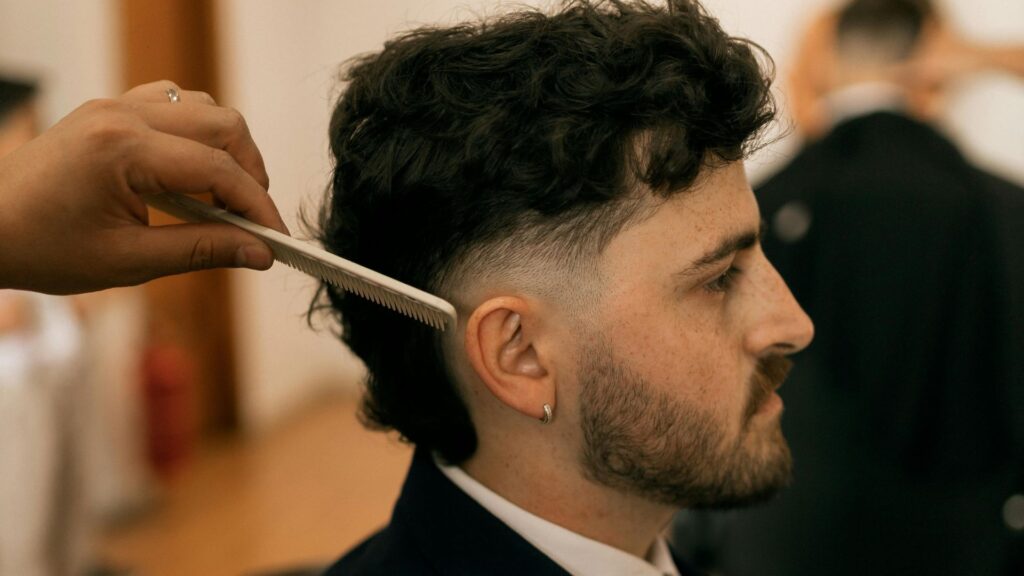
One of the most common mistakes is cutting the line too high or too aggressively, removing more of the natural hairline than necessary. This can make a hairline look artificially receded and takes weeks to grow back to normal. If you’re unsure, ask your barber to be conservative on the first pass. You can always ask for more to be taken off, but you can’t put hair back.
Ignoring Natural Growth Patterns
Fighting against a natural hairline shape instead of working with it often creates gaps, uneven density, or a line that looks unnatural within days as hair starts to grow back unevenly.
Using Dull or Improperly Maintained Blades
A dull blade doesn’t cut clean, it tugs and pulls, which can cause irritation, uneven lines, and even minor nicks. Barbershops that maintain their tools properly produce noticeably sharper, cleaner results.
Rushing the Process
Five minutes might sound quick, but rushing within that window leads to asymmetry and missed spots. The best barbers move efficiently, not hastily.
Miscommunication Between Client and Barber
Saying “clean it up” means different things to different people. Being specific, whether that’s pointing to a photo, describing shape preferences, or simply saying “keep it natural, don’t take too much off the top,” prevents disappointment.
| Mistake | Consequence | Fix |
| Over-edging | Receded, unnatural look | Ask for conservative first pass |
| Ignoring growth pattern | Gaps, uneven regrowth | Choose barber who assesses hairline first |
| Dull blades | Irritation, uneven cut | Ask about blade maintenance |
| Rushing | Asymmetry | Book with barbers known for detail work |
| Poor communication | Wrong shape or amount removed | Be specific, use references |
Avoiding these mistakes is only half the equation. The other half is proper upkeep at home, which is where haircare habits and product choices come into play.
Haircare Products That Keep Your Line Up Sharp Longer
A sharp line up doesn’t last forever, but the right Haircare Products can stretch that crisp look several extra days and protect the skin around the edges from irritation.
Aftershave and Skin Soothing Products
Straight razor line ups in particular benefit from an alcohol-free aftershave balm that calms the skin and reduces redness. Products with aloe vera or witch hazel are common barbershop staples for this exact reason.
Edge Control and Pomade for Maintenance
Between visits, a small amount of edge control product or light pomade can help keep flyaway hairs along the hairline in place, extending that just-cut look for a few extra days without needing another trim.
Preventing Ingrown Hairs
Men with curlier hair textures benefit from exfoliating scrubs or products containing salicylic acid around the hairline area, which help prevent ingrown hairs that commonly develop after close razor work.
| Product Type | Purpose | Best For |
| Alcohol-free aftershave | Soothes skin post-razor | All skin types, especially sensitive |
| Edge control gel | Maintains crisp look between cuts | Curly to coily hair |
| Exfoliating scrub | Prevents ingrown hairs | Curly hair, razor line ups |
| Light pomade | Controls flyaways | Straight to wavy hair |
Product choice matters, but so does timing. That naturally raises the question of how often a line up actually needs to be redone, and what that means for your wallet.
How Often Should You Get a Line Up? Cost and Value Breakdown
A line up isn’t a one-time investment, it’s ongoing maintenance, and understanding the frequency and cost helps you budget realistically.
Typical Maintenance Schedule
Most men need a line up touch-up every one to two weeks to keep the edge crisp, though this varies based on hair growth speed and how quickly the line starts looking fuzzy.
| Hair Growth Speed | Recommended Touch-Up Frequency |
| Fast growth | Every 7-10 days |
| Average growth | Every 10-14 days |
| Slow growth | Every 14-21 days |
What a Line Up Typically Costs
Standalone line ups, meaning just the edge work without a full haircut, are usually priced lower than a full haircut appointment. Prices vary significantly by region and shop reputation, but standalone line ups commonly fall in a lower price bracket specifically because of the shorter time commitment.
| Service Type | Typical Time | Relative Cost |
| Standalone line up | 5-10 minutes | Lowest |
| Line up with full haircut | 20-45 minutes | Moderate |
| Line up with beard trim | 15-25 minutes | Moderate to higher |
Is It Worth Paying for a Standalone Line Up?
If your haircut still looks fresh but your hairline is getting fuzzy, a standalone line up is almost always worth the lower cost compared to a full haircut. This keeps you looking sharp between full appointments without the expense of a complete service.
Cost and frequency naturally connect to lifestyle, which is where real-world scenarios come into play, because a college student’s routine looks very different from a working professional’s or a father booking for his son.
Real-World Scenarios: Line Ups for Different Lifestyles
Different men need different approaches, and thinking through actual scenarios makes this guide more useful than generic advice.
The Working Professional on a Tight Schedule
A professional with client meetings or on-camera presence often prioritizes a sharp, low-maintenance line up that holds up well between appointments. Booking a standing biweekly appointment is common in this group, since consistency matters more than experimenting with style.
The Father Booking for His Son
Dads booking haircuts for sons should communicate directly with the barber about age-appropriate styles and comfort level with clippers near the ears and neckline, since kids can be sensitive to buzzing sounds and vibration. A patient barber experienced with children makes a noticeable difference here.
The Gift Buyer Choosing a Barbershop Package
Gift certificates for grooming services are increasingly popular for birthdays and holidays. When choosing a gift, packages that include a haircut and line up together tend to offer better value than a standalone service, giving the recipient a complete experience rather than just one piece of it.
The First-Timer Searching “Haircut Near Me”
Someone searching haircut near me for the first time in a new city should look for shops with visible before-and-after work, read reviews mentioning line up quality specifically, and not be afraid to ask for a consultation before committing to a chair.
| Scenario | Priority | Recommended Approach |
| Working professional | Consistency, low maintenance | Standing biweekly appointment |
| Father with son | Comfort, age-appropriate style | Barber experienced with kids |
| Gift buyer | Value, complete experience | Combo haircut and line up package |
| First-timer | Finding quality, trust | Reviews and consultation |
These scenarios show that the line up isn’t a one-size-fits-all service. That variety naturally leads into where the industry is heading, since trends and expert opinion shape what “good” looks like over time.
Expert Insights and Trends Shaping the Line Up Today
Barbering is a craft that evolves with culture, technology, and changing style preferences, and the line up is no exception.
The Rise of Skin Fades Paired with Sharp Line Ups
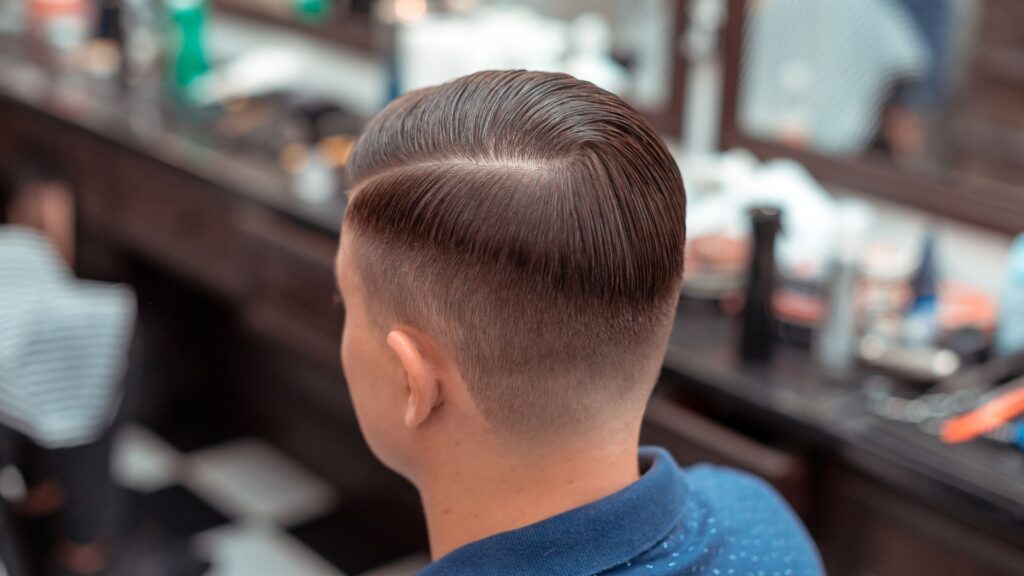
Skin fades, where hair gradually fades to bare skin, have become increasingly popular alongside sharp line ups because the contrast between the faded sides and crisp hairline creates a dramatic, clean look that photographs well, which matters more than ever in a social media driven culture.
Barbers Specializing Specifically in Line Up Artistry
Some barbers have built entire reputations around line up precision alone, offering standalone services and even competing in barbering competitions focused specifically on edge work and design detail.
Technology’s Role in Modern Barbering
Cordless clippers with improved battery life and sharper factory blades have made it easier for barbers to maintain precision throughout a full day of appointments without performance dropping off, which indirectly improves the consistency of line up quality across the board.
| Trend | Impact on Line Ups |
| Skin fades | Increased demand for sharper contrast lines |
| Line up specialists | Higher precision, premium pricing for the service |
| Cordless clipper technology | More consistent quality throughout the day |
| Social media influence | Greater client awareness of what “good” looks like |
Trends shift, but the fundamentals covered throughout this guide remain constant. That brings us to the questions most commonly asked about line ups, answered directly and without fluff.
Frequently Asked Questions
How long does a line up last before it needs a touch-up?
Most line ups stay sharp for seven to fourteen days depending on how fast your hair grows. Faster growing hair may need a touch-up closer to the one-week mark, while slower growing hair can stretch closer to two weeks before looking noticeably fuzzy.
Does a line up hurt or cause skin irritation?
A properly executed line up shouldn’t hurt, though some men with sensitive skin experience mild redness, especially after a straight razor finish. This typically fades within a few hours and can be minimized with an alcohol-free aftershave balm.
Can I do my own line up at home?
You can, and many men do for basic maintenance between barbershop visits, but achieving a symmetrical, precise edge on your own hairline is genuinely difficult since you’re working with mirror image coordination. Most barbers recommend leaving the initial shaping to a professional and only doing light touch-ups at home.
What’s the difference between a line up and just getting a haircut?
A haircut refers to the overall style and length of your hair, while a line up specifically refers to edging the hairline, temples, and sideburns. You can get a full haircut without a sharp line up, though most barbershop visits include both as part of a complete service.
Should kids get the same line up style as adults?
Not necessarily. Children’s hairlines and skin are often more sensitive, and barbers typically recommend a softer, less aggressive line up for younger clients, gradually increasing sharpness and complexity as they get older and their preferences develop.
How do I ask for a line up if I don’t know the barbershop terminology?
You can simply say you want your hairline, temples, and sideburns cleaned up and sharpened. Bringing a reference photo also helps bridge any terminology gaps between regions or personal preference.
Is a straight razor line up better than a clipper line up?
Neither is universally better, they serve different purposes. A straight razor produces a sharper, more dramatic edge but comes with higher irritation risk and shorter longevity. A clipper line up is gentler on skin and slightly more forgiving for maintenance between full haircuts.
Why does my line up look different once my hair dries?
This is especially common with curly or coily hair, which shrinks as it dries. A line up cut while hair is wet can appear slightly different in shape once fully dry, which is why experienced barbers account for texture and shrinkage during the cutting process.
How much should I expect to pay for a standalone line up service?
Pricing varies widely by region and shop, but standalone line ups are almost always priced lower than a full haircut since the service takes significantly less time. It’s worth asking your specific barbershop for their standalone pricing if you plan to use this service between full haircuts.
Your Line Up Action Checklist
- Identify your natural hairline pattern before requesting a specific style or shape.
- Choose your tool preference ahead of time: clipper for lower maintenance, razor for maximum sharpness.
- Communicate clearly with your barber, using photos if terminology feels uncertain.
- Ask about standalone line up pricing to stretch time between full haircuts.
- Stock a basic aftercare kit: alcohol-free aftershave, light pomade, and an exfoliating scrub if you’re prone to ingrown hairs.
- Book touch-ups every one to two weeks depending on your natural hair growth speed.
- Reassess your line up style as your hairline changes with age.
- When booking for a child, confirm the barber has experience working with younger clients.
Conclusion: A Small Detail That Carries Real Weight
A great haircut is judged in seconds, and the line up is usually the first thing people notice, even if they couldn’t explain why it looks sharp. It’s the frame around the picture, the punctuation at the end of the sentence. Understanding the technique, the tools, and the upkeep behind it turns a routine barbershop visit into an informed decision rather than a guessing game.
Whether you’re walking in for your regular haircut, booking your son’s first real trim, or picking out a gift certificate for someone who takes their grooming seriously, the line up deserves the same attention as any other part of the process. Five minutes, done right, changes everything about how the rest of the cut reads. Find a barber who treats that time with respect, communicate clearly about what you want, and keep up with maintenance between visits. That’s really all it takes to keep your edge as sharp as your reputation.