
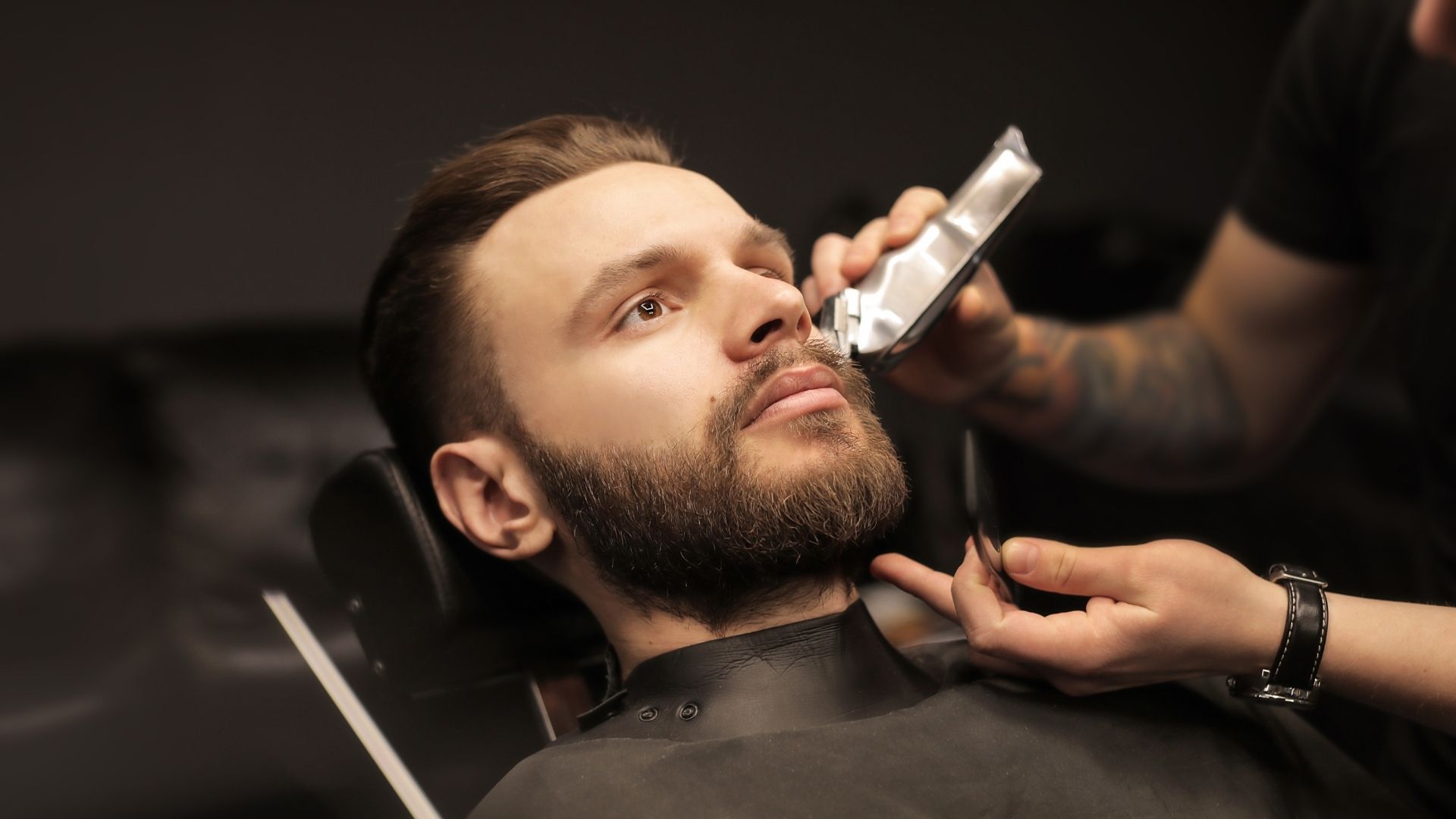
You walk out of the chair, catch your reflection in the shop window, and there it is: a beard that somehow looks denser, fuller, and more defined than the one you walked in with. No, your barber didn’t wave a magic wand. What happened is a mix of sharp technique, good lighting, and a few biological truths about hair that most guys never learn. This article unpacks exactly why a professional trim makes your beard appear thicker, what’s myth versus fact, and how to keep that fresh-cut fullness lasting longer between visits.
Key Takeaways
- A trim doesn’t make hair grow faster or thicker; it removes split, thinning ends and creates a uniform length that reads as denser.
- Blunt cutting versus thinning shears changes how “full” a beard looks, even on the same amount of hair.
- Shaping around the jawline and cheeks tricks the eye into perceiving more volume.
- Proper Hair Growth & Shape maintenance between trims keeps the illusion (and the health) going.
- A skilled barber uses lighting, grain direction, and product to enhance the appearance without overworking the hair.
Does Cutting Hair Actually Make It Grow Back Thicker?
No. This is one of the most persistent myths in grooming, and it’s worth killing right away. Hair thickness is determined by the diameter of the hair shaft, which is set by your follicle, your genetics, and your hormone levels, not by scissors or clippers.
A widely cited 1928 study published in the Anatomical Record tested this directly: researchers shaved sections of hair and compared regrowth rates and diameter against unshaved control areas. The shaved hair grew back at the same thickness and rate as before. More recent dermatology literature, including commentary from the American Academy of Dermatology, confirms the same conclusion: cutting hair has zero effect on the follicle itself.
So why does the “trim makes it grow back thicker” idea stick around? Likely because freshly cut hair has a blunt tip rather than a naturally tapered end. That blunt tip can feel coarser to the touch and look slightly darker because it hasn’t been lightened by sun exposure yet. It’s a sensory illusion, not a biological change.
What’s Actually Happening at the Follicle Level
Your beard follicle sits below the skin and produces a single strand of hair in cycles: growth (anagen), transition (catagen), and rest (telogen). Trimming only affects the visible hair above the skin. It never touches the follicle, the blood supply, or the hormones (like DHT) that control thickness and density. If a trim could change follicle output, every barbershop in the world would be a clinic for hair loss. It isn’t, and it can’t be.
Why Your Beard Looks Fuller Right After a Trim
If trimming doesn’t change your actual hair density, the “fuller” look after a cut comes down to four very real, very visual factors.
1. Uniform Length Creates the Illusion of Density
Beards grow at different rates across the face. The mustache area and chin often grow faster than the cheeks, creating patchy unevenness over time. A barber evens out that length, and when every hair ends at roughly the same point, your eye reads it as one solid mass instead of individual strands. Density is partly an optical trick: uniformity equals volume in the brain’s perception.
2. Removing Split and Damaged Ends
Split ends don’t just affect scalp hair. Beard hair that’s gone untrimmed for months develops frayed, thinning tips that catch light poorly and look wispy. Cutting those off exposes the healthier, fuller part of the shaft, which has more consistent diameter and reflects light more evenly, making the beard look denser overall.
3. Sharper Shape Lines Define the Edges
A clean neckline, defined cheek line, and crisp mustache border do something subtle but powerful: they frame the beard like a picture frame highlights a painting. Without defined edges, a beard can look like it’s fading into your neck or sideburns, which reads as sparse. With structure, the same amount of hair looks intentional and substantial.
4. Lighting, Grain, and Styling During the Service
Professional barbers angle their work against natural grain direction, which lifts hair slightly and adds visual loft. Many also apply a light beard oil or balm post-trim that darkens the hair slightly and enhances shine, both of which contribute to a fuller appearance under shop lighting.
Blunt Cutting vs. Thinning Shears: Which Looks Fuller?
Not all cutting tools create the same effect. Here’s how the two most common techniques compare.
| Technique | Effect on Appearance | Best For | Risk |
| Blunt cutting (scissor-over-comb or clipper) | Creates a dense, solid-looking edge | Thick, coarse, or patchy beards needing fullness | Can look blocky if not blended |
| Thinning shears | Removes bulk without shortening length much | Very thick or wiry beards that feel heavy | Can thin out already-sparse areas |
| Texturizing (point cutting) | Softens the silhouette, adds natural movement | Medium-density beards wanting a textured look | Requires skill to avoid unevenness |
A seasoned barber will usually choose blunt cutting for guys trying to build visual density and save thinning shears for guys with naturally heavy growth who want a more natural, less “blocked” finish.
Beard Trim vs. No Trim: A Side-by-Side Comparison
| Factor | Freshly Trimmed Beard | Untrimmed/Overgrown Beard |
| Visual uniformity | High; even length throughout | Low; patchy, uneven growth visible |
| Edge definition | Sharp jaw, cheek, and neck lines | Blurred boundaries, less structure |
| Perceived density | Appears fuller and thicker | Appears thinner, especially in sparse zones |
| Hair health | Split ends removed | Split ends accumulate, dulling shine |
| Styling control | Easier to shape and maintain | Harder to manage, prone to flyaways |
| Confidence factor | Noticeably sharper, more put-together | Can look neglected regardless of actual growth |
How Often Should You Get a Beard Trim for Maximum Fullness?
Most men see the best fullness-to-maintenance balance with a trim every 3 to 4 weeks. Beard hair grows slower than scalp hair, roughly half an inch per month on average according to dermatology sources, so overly frequent trims can actually rob you of length and the layered look that builds visual volume over time.

Finding the right trimming schedule not only keeps your beard looking sharp but also ensures a fuller, healthier appearance. Different beard lengths require specific care to balance growth and maintenance. Below, we’ll break down the ideal frequency and focus areas for trimming based on the length of your beard, along with some key tips to enhance fullness and style at every stage.
Short Beard (Under 1 Inch)
Short beards demand precision and regular upkeep to maintain their clean and intentional look. Here’s how to keep your short beard in top shape:
Trim Frequency
Plan for a trim every 2 to 3 weeks. At this length, facial hair grows quickly enough that edges soften and lines blur in just a few weeks, but not so fast that you need weekly maintenance. A consistent schedule ensures your beard stays sharp and prevents the dreaded patchy or uneven look.
Focus Areas
- Clean Edges: Short beards rely heavily on defined lines around the cheeks and neckline to create a polished appearance. Without them, the beard can appear unfinished.
- Uniform Growth: Shorter lengths make uneven patches more noticeable, so frequent light trims are more important here than with longer beards.
- Volume Maintenance: Though limited length prevents bulk, aim to maintain sharp angles and flat planes to give the illusion of thickness.
Additional Tips
- Use a fine-toothed beard comb to ensure even trims, especially around dense or patchy areas.
- Beard oils are essential even for short beards to prevent itchiness and hydrate the skin beneath for optimal growth conditions.
Medium Beard (1 to 3 Inches)
Medium-length beards strike the perfect balance between manageable maintenance and fuller visual impact. With proper care, this is where your beard’s natural growth starts to shape its personality.
Trim Frequency
A trim every 4 weeks is ideal to retain a polished silhouette while giving your beard time to grow. This schedule allows barbers or at-home trimmers enough leeway to make adjustments without cutting back on the fullness you’ve carefully developed.
Focus Areas
- Shape and Proportion: At this length, your beard starts to take on a proper silhouette. Subtle sculpting ensures that growth works toward definition rather than uneven bulk.
- Even Transitions: Trim along the chin and cheeks to balance volume across the entire beard, maintaining a uniform look.
- Split Ends Prevention: While less common at this length compared to long beards, regular trims prevent split ends from starting and spreading up the shaft.
Additional Tips
- Follow a balanced hydration and conditioning routine to soften the beard. This not only improves the overall texture but makes the trimming process smoother.
- Regular combing encourages hair to grow in a cohesive direction for a more streamlined appearance.
Long Beard (3+ Inches)
Long beards command attention and are a statement in their own right, but they require discipline and proper care to maintain their impressive appearance.
Trim Frequency
Schedule trims every 6 to 8 weeks. Trimming at this stage focuses less on managing growth and more on preventing damage and maintaining your desired shape. Stretching time between trims allows you to preserve the length while keeping the beard healthy.
Focus Areas
- Split Ends: Longer beards are prone to split ends and breakage, which can diminish their visual density. Target these areas during trims to prevent the damage from traveling further up the shaft.
- Shape Refinement: Long beards need strategic shaping to avoid looking untamed. Focus trimming on creating taper and balance, particularly between the chin and sides.
- Moisture Retention: Dense, long beards risk becoming dry and brittle. Trimming dry or frayed ends makes the beard appear healthier and fuller overall.
Additional Tips
- Incorporate deep-conditioning treatments like balms and leave-in conditioners to combat dryness and frizz common in long beards.
- Beard brushes help distribute natural oils more effectively, keeping the hair shiny and nourished.
General Maintenance Tips Across All Beard Lengths
- Tools of the Trade: Invest in quality trimming tools, including precision trimmers and sharp scissors, to ensure clean, efficient cuts at all lengths.
- Hydration is Key: No matter the length, hydration keeps your beard soft, smooth, and resistant to breakage. Pair a daily beard oil with a weekly deep conditioner for the best results.
- Regular Cleaning: Wash regularly with a beard-specific shampoo to remove dirt, oils, and buildup, ensuring healthy growth.
Whether short, medium, or long, a consistent trimming routine paired with targeted care can maximize your beard’s fullness and make every inch look intentional. Recognizing the distinct needs of your beard’s current length ensures that it grows to its fullest potential while complementing your personal style.
The Role of Beard Care Between Trims
A trim sets the stage, but daily habits determine whether that fuller look holds or fades within a week.
Washing and Conditioning
Beard hair, with its thick and coarse texture, requires a grooming approach distinctly different from that for scalp hair. The sebaceous glands beneath the beard produce natural oils, known as sebum, which keep both the hair and the skin underneath hydrated. However, over-washing with regular shampoo — formulated for the finer, oilier strands of your scalp — can strip away these natural oils. This often leaves beard hair brittle, dry, and more susceptible to breakage, creating a rougher, less polished appearance.
To maintain the natural integrity of your beard, opt for a dedicated beard wash two to three times a week. These specialized products are designed to cleanse without over-drying, balancing the need to remove dirt, sweat, and product buildup while preserving the natural moisture barrier of your beard. Additionally, following up with a lightweight, beard-specific conditioner ensures that each strand remains soft yet strong. This step not only enhances the overall texture of your beard but also helps the hair reflect light more effectively, giving it a fuller, healthier appearance. For those dealing with especially dry climates or coarse textures, adding a leave-in conditioner can provide an extra boost of hydration throughout the day, offering additional protection from environmental aggressors.
When you approach beard washing and conditioning as a deliberate practice, you set your beard up for growth that both feels and looks its best. It’s not just about what’s on the surface; it’s about creating a routine that nurtures each strand from root to tip.
Oils, Balms, and Brushing
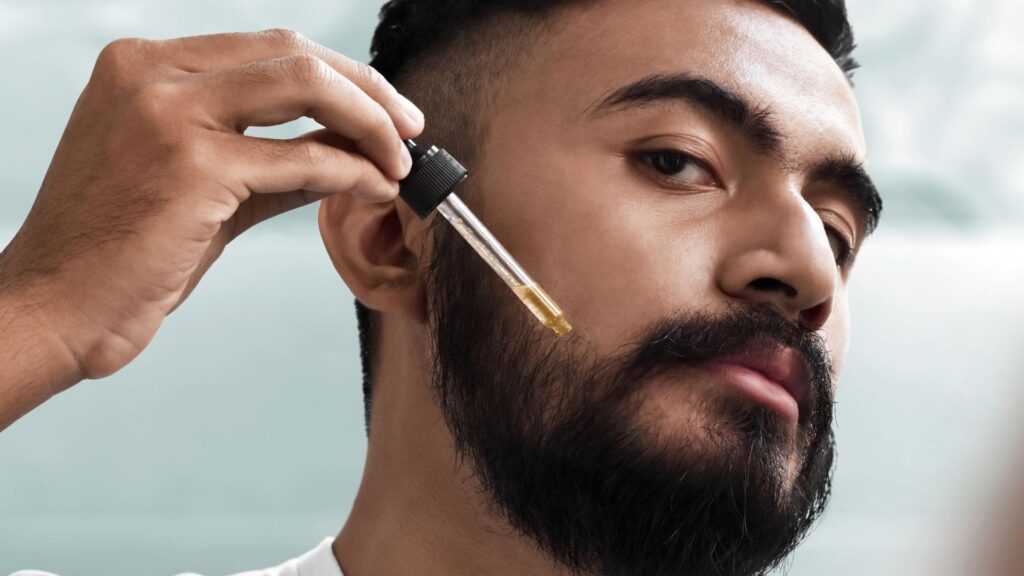
Beard oil is more than just a luxury item—it’s a fundamental element in any beard care routine. Its role begins with the skin underneath your beard. Just as the natural oils can be stripped during cleaning, the skin under a beard tends to dry out easily, leading to irritation, itchiness, and even unsightly flaking (commonly known as beard dandruff). Applying a few drops of beard oil daily alleviates these issues by moisturizing the skin, restoring balance, and reducing discomfort that can come with growing a fuller beard.
Beyond the skin, beard oil serves to coat each hair shaft, providing a layer of hydration and protection. This coating smooths down the cuticle, which minimizes roughness and enhances the appearance of individual hairs, adding a subtle shine that makes your beard appear thicker and healthier. While beard oil is a must for the foundation, balms offer additional styling benefits. The slightly heavier consistency of a balm helps to tame unruly aspects of your beard, offering hold and structure, especially for medium to long lengths where stray hairs can disrupt a polished look.
Brushing, particularly with a boar bristle brush, reinforces the effectiveness of oils and balms. The natural bristles are excellent at redistributing beard oil evenly throughout your beard, ensuring every inch benefits from its moisturizing and smoothing effects. Additionally, daily brushing serves another purpose—it trains your beard hairs to grow in a cohesive direction, which not only amplifies the uniformity of your beard but also prolongs the sharp lines created after a professional trim. Consistently brushed beards maintain a more intentional, well-groomed appearance, minimizing areas where thickness might otherwise seem lacking.
Approaching your beard with oils, balms, and brushing forms a powerful trifecta in ensuring your beard isn’t just growing—it’s thriving. This regimen locks in essential moisture, enables your beard to better showcase its density, and supports a put-together look every single day.
Diet and Lifestyle Factors
Your diet and lifestyle are silent but powerful players in the health and fullness of your beard. While no food or supplement will instantly make your beard thicker, the nutrients you consume directly affect the foundational processes of hair growth. Keratin, the structural protein that forms hair, skin, and nails, requires a steady supply of specific vitamins and minerals to be synthesized effectively. A diet rich in biotin (found in eggs, nuts, and seeds), zinc (present in lean meats, beans, and seafood), and protein is particularly beneficial. These nutrients ensure that your hair follicles receive the support they need for steady, consistent growth—keeping your beard strands healthy, glossy, and less prone to breakage.
However, nutrition is just one piece of the puzzle. Lifestyle factors, particularly stress and sleep habits, can have resounding effects on beard growth. Chronic stress can elevate cortisol levels in the body, which disrupts hair growth cycles over time, potentially leading to patchiness or slower regrowth. Similarly, poor sleep can interfere with the body’s restorative processes, further impairing optimal hair health. Clinical studies suggest that individuals with high levels of ongoing stress or insufficient rest often display signs of thinner, more fragile hair (both on the scalp and the beard).
If your goal is a thicker, more robust beard, prioritize a well-rounded approach to overall health. Incorporate nutrient-dense meals into your routine, engage in stress-relieving activities such as exercise or meditation, and aim for 7–9 hours of quality sleep each night. By supporting your body holistically, you can create the ideal internal environment for your beard to grow in fully and evenly over time.
When nutrition, fitness, and stress management align with intentional beard care practices, the results go beyond surface-level improvements. You build a foundation for long-term health and growth, ensuring that your beard not only looks phenomenal but also maintains its integrity over the years.
Patchy Beard vs. Full Beard: Can a Trim Fix Uneven Growth?
A trim can’t create hair where follicles don’t exist, but it can dramatically minimize the appearance of patchiness through strategic shaping.
| Approach | Effect on Patchy Areas |
| Growing longer over patches | Longer surrounding hair can be combed to cover thin spots |
| Shorter, uniform trim | Evens out visual density but may expose gaps more |
| Beveled edge shaping | Softens the transition between full and sparse zones |
| Strategic mustache connection | Draws the eye along a solid line, distracting from cheek gaps |
If your patchiness is significant, a barber who specializes in beard shaping can usually build a style around your natural growth pattern rather than fighting it, which almost always looks better than forcing symmetry that isn’t there.
DIY Trim vs. Professional Trim: What’s the Real Difference?
| Factor | DIY Trim at Home | Professional Barber Trim |
| Tools | Basic trimmer, often dull or mismatched guards | Professional-grade clippers, shears, straight razor |
| Precision | Limited visibility of back and sides of jaw | Full 360-degree view and mirror work |
| Shaping skill | Based on trial and error | Trained in facial structure and symmetry |
| Line definition | Often uneven or asymmetrical | Crisp, intentional edges |
| Time investment | 10 to 15 minutes, lower cost | 20 to 40 minutes, higher upfront cost |
| Long-term result | Inconsistent shape over multiple trims | Consistent shape that compounds in quality |
Plenty of guys maintain their beards fine at home between visits. But if you’ve ever searched “barber near me” after a DIY trim went sideways, you already know the value of a trained eye.
What Tools Do Barbers Use to Create a Fuller-Looking Beard?

Clippers and Guard Sizes
Barbers don’t just grab clippers and go—they approach each beard with a tailored strategy, factoring in your current beard length, density, and personal style goals. Guard sizes play a pivotal role in shaping fullness, as they determine how much hair is trimmed in specific areas. Barbers often use a combination of two or three different guard lengths to blend beards with precision. For instance, the sides of your beard might get a shorter guard size to remove bulk and create a clean, sharp transition, while they leave more length towards the chin or jawline to craft a visually fuller silhouette. This technique, called tapering or fading, adds depth and dimension, avoiding the “one-length fits all” flatness that can make a beard look lifeless or overly uniform. Blending with clippers allows barbers to design a seamless flow, enhancing features like the jawline while complementing the natural growth pattern of your beard.
Straight Razor Edging
There’s a reason the straight razor remains a mainstay tool, even in a world filled with advanced grooming gadgets—it delivers detail and sharpness no machine can match. Barbers use straight razors to define the lines along your neck and cheeks, creating crisp, razor-sharp edges that act as a frame for your beard. These clean lines provide high contrast between beard and skin, which visually enhances how thick and bold the beard appears overall. Beyond aesthetics, a straight razor ensures precision and consistency, even in tight areas like the curve under your jaw or around your sideburns. This level of detail enhances symmetry, balancing any uneven growth to make the beard look fuller and more intentional. Plus, the straight razor technique removes dead skin cells as it trims, leaving a polished, smooth finish that truly makes the beard pop.
Shears for Detail Work
When it comes to areas requiring the highest level of precision—like the mustache, under the lip, or near the corners of the mouth—barbers reach for their shears. Scissors provide control that clippers simply can’t offer in these intricate zones, where a single misstep can drastically affect your beard’s balance. With shears, barbers adeptly trim stray hairs, softening overly dense areas while ensuring no patch looks sparse or overly thinned. They use this tool to sculpt and texturize, especially in spots where your facial hair density naturally transitions, blending thickness seamlessly into lighter growth points. This approach prevents mismatched proportions, ensuring the mustache and under-lip zones don’t appear isolated or disconnected from the overall beard structure. Skilled detail work with shears creates balance across your entire face, giving the beard a clean yet voluminous aesthetic that radiates professional appeal.
How Lighting and Photography Make a Fresh Trim Look Even Fuller
Barbershops are typically lit with bright, directional lighting designed to highlight texture and shine. That same lighting flatters a freshly oiled, evenly cut beard far more than the softer, inconsistent lighting of a bathroom mirror at home. This is partly why beards often look noticeably better walking out of the shop than they do a day later under normal household lighting, the hair hasn’t changed, but the environment showing it off has.
Frequently Asked Questions
Does trimming your beard make it grow back thicker or faster?
No. Trimming only removes the visible portion of hair above the skin and has no effect on the follicle, which is what actually controls thickness and growth rate. The “thicker” look after a trim comes from uniform length and fresh edges, not any biological change.
How long does the “fuller” look last after a professional trim?
Typically one to three weeks, depending on your beard’s natural growth rate and how well you maintain it with oils and regular brushing. Growth variance across the face will gradually reintroduce unevenness, which is why most men schedule trims every three to four weeks.
Should I wash my beard before or after a trim?
Most barbers prefer trimming a clean, dry beard, since product buildup and moisture can cause hair to clump and throw off length judgment. Washing beforehand at home and arriving with a dry beard typically gives the barber the clearest view of your natural growth pattern.
Can a bad trim make my beard look thinner?
Absolutely. Overusing thinning shears, cutting against the grain carelessly, or creating uneven guard transitions can all strip visual density and leave patchy-looking gaps that weren’t there before. This is one of the biggest risks of inexperienced DIY trimming.
What’s the difference between a beard trim and a beard shape-up?
A trim focuses on reducing length and removing split ends uniformly across the beard. A shape-up focuses on defining the edges, neckline, cheek line, and mustache boundary, which is often what creates the most noticeable “fuller” effect, since it’s really about contrast and framing.
Is it normal for my beard to itch more after a trim?
Mild itchiness can occur because the freshly cut, blunt ends are sharper and can catch on surrounding skin or hair. This usually resolves within a day or two, and applying beard oil immediately after a trim helps soften the new ends and calm the skin underneath.
How do I maintain the fuller look between barbershop visits?
Brush daily to train hair direction, apply beard oil or balm to add shine and manage flyaways, and avoid over-washing with regular shampoo, which dries out the hair and makes it look duller. Spot-trimming stray hairs with small scissors can also extend the crisp look without a full visit.
Final Thoughts: It’s Shape, Not Science
The thicker look you see after a trim isn’t a biological upgrade. It’s the result of skilled shaping, even length, sharp edges, and a little bit of shine from product and lighting. Your follicles are doing exactly what they were always going to do; your barber is just presenting that hair in its best possible form. If you want that fresh-cut fullness to last, the work doesn’t stop when you leave the chair. Keep up with oiling, brushing, and a consistent trim schedule built around your beard’s actual growth pattern, not someone else’s. Book your next session, bring reference photos if you have a shape in mind, and let a professional do what clippers at home simply can’t.