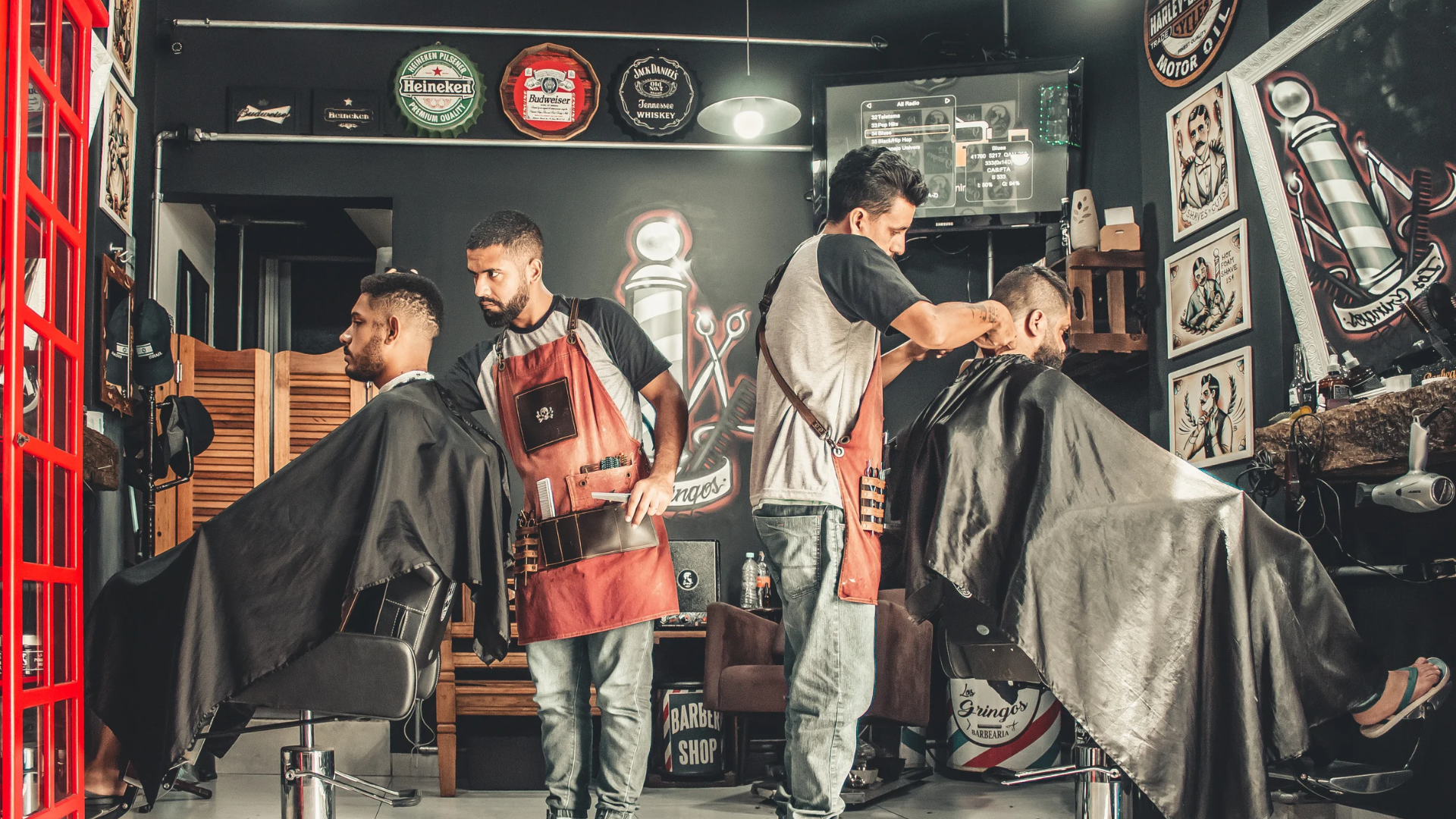
A great barbershop experience comes down to three things working together: a skilled barber who reads your hair and face shape correctly, an environment that makes you feel comfortable and respected, and the kind of precision that shows up in the small details, like a clean neckline or a properly stropped razor. When those three elements align, a haircut stops being a chore and becomes something you actually look forward to.
You know the feeling. You sit down in that chair, the cape snaps around your neck, and within thirty seconds you already know whether this is going to be a good visit or a waste of forty minutes. Maybe it’s the way the barber runs their fingers through your hair before they even pick up the clippers. Maybe it’s the questions they ask, or don’t ask. Either way, your gut tells you something true, long before the first pass of the clipper.
This piece is for anyone who has ever walked out of a barbershop feeling shortchanged, and for anyone who has found that one chair where they feel like a regular the moment they sit down. We’re going to break down exactly what separates an average cut from a great one, from the atmosphere of the shop to the tools in a barber’s kit, the consultation that happens before the scissors come out, and the culture that has kept barbershops relevant for over a century.
Think of this as a field guide, written the way a seasoned barber might explain his craft to his own son on a slow Tuesday afternoon. No fluff. Just the real stuff that separates the shops worth your time from the ones that aren’t.
The Moment You Walk Through That Door
First impressions aren’t fair, but they’re real. The second you step into a shop, your brain starts building a verdict based on sound, smell, lighting, and the energy in the room. A great barbershop understands this and treats the walk-in moment as part of the service, not just a formality before the real work begins.
First Impressions and the Atmosphere That Sets the Tone
A shop that greets you by name, offers you a seat, and doesn’t make you feel invisible has already won half the battle before anyone touches your hair. First impressions in a barbershop aren’t about luxury. They’re about attention. A clean waiting area, organized stations, and a barber who looks up and acknowledges you tells you everything about how the next thirty minutes will go.
The Smell, the Sound, and the Feel of a Real Barbershop
Walk into a proper shop and your senses light up almost immediately. There’s the hum of clippers, maybe some classic soul or sports talk radio playing low, and that distinct smell of aftershave, talc, and leather strops that’s become almost synonymous with masculinity itself. These sensory cues aren’t accidental. They’re part of a tradition that goes back generations, and they do real psychological work, signaling that you’re somewhere built specifically for men to relax and be taken care of.
How Environment Affects the Entire Experience
Environment shapes behavior more than people realize. A cramped, chaotic shop with music blasting and barbers rushing through appointments creates anxiety, even if the cut itself turns out fine. Compare that to a shop where the pace feels unhurried, where your barber takes the time to talk you through the plan. The haircut might take the same twenty-five minutes in both places, but only one of them leaves you feeling like you got your money’s worth.
A good shop sets the stage, but the real test of quality comes down to the person holding the clippers.
What Separates a Great Barber from a Good One
Plenty of barbers can cut hair. Fewer can cut hair the right way for your face, your lifestyle, and your hair type, every single time. The gap between “good enough” and “great” is where real craftsmanship lives.
Technical Skill and the Years It Takes to Build It
Most states require somewhere between 1,000 and 1,500 hours of training before a barber can even sit for a licensing exam, according to the National Interstate Council of State Boards of Cosmetology. That’s months of supervised practice before a barber ever touches a paying client solo. But licensing is the floor, not the ceiling. True technical mastery, the kind where a barber can freehand a fade without a guard or guide, typically takes years of repetition behind the chair.
Listening vs. Hearing — the Consultation That Changes Everything
There’s a difference between a barber who hears “take it short on the sides” and one who actually listens to what you mean by that. Listening means asking follow-up questions: short like a number two, or short like a number four? Do you want to keep length on top for styling, or are you trying to go low-maintenance? A barber who treats the consultation like a formality is setting you both up for a result that misses the mark.
Reading Hair Type, Face Shape, and Lifestyle
A great barber reads more than your hair. They’re clocking your face shape, your cowlicks, how your hair grows at the crown, and even how you live your life. Someone who works construction five days a week needs a cut that holds up without daily product and styling. Someone in an office might have more room to experiment. This kind of pattern recognition only comes with experience, but it’s the difference between a cut that looks good in the chair and one that still looks good two weeks later.
Consistency — the Mark of a True Professional
Anyone can nail a great haircut once. The real mark of professionalism is delivering that same quality on a Monday morning with a full schedule and on a Saturday afternoon when the shop is slammed. Consistency builds trust, and trust is what turns a one-time customer into someone who books the same chair every three weeks for the next decade.
Skill gets you in the chair the right way, but no barber can do their best work without the right tools in hand.
The Tools of the Trade and Why They Matter
You wouldn’t expect a carpenter to build a cabinet with a dull saw, and the same logic applies here. The tools a barber chooses, and how well they maintain them, directly shape the quality of every cut.
Clippers, Scissors, and Straight Razors — Each Has Its Purpose
Clippers handle bulk removal and uniform lengths with speed and consistency. Scissors allow for texture, movement, and the kind of soft blending that clippers alone can’t replicate. Straight razors deliver the cleanest possible finish on necklines, edges, and traditional shaves. A barber who only reaches for one tool, regardless of the job, is limiting the final result before they even start.
| Tool | Best For | Skill Level Required |
| Clippers | Fades, bulk removal, uniform length | Moderate |
| Scissors | Texture, blending, length retention | High |
| Straight Razor | Clean lines, shaves, finishing detail | High |
Why Sharp Tools Mean Better Results for Your Hair and Skin
Dull blades don’t cut hair cleanly, they tear it. That tearing can cause split ends, irritation, and even ingrown hairs along the hairline and neck. A barber who keeps their blades sharp and their razors properly stropped isn’t being precious about their kit, they’re protecting your skin and the integrity of every strand they cut.
The Difference Between Budget and Professional-Grade Equipment
Professional-grade clippers and shears are built with better motors, finer blade tolerances, and materials that hold an edge longer. Budget tools can get the job done in a pinch, but they tend to generate more heat, dull faster, and require more passes to achieve the same result. More passes means more friction on your scalp and skin, which adds up over a thirty-minute appointment.
Great tools in skilled hands set up everything that comes next: the actual art of shaping a haircut around your head.
The Art and Science of the Haircut
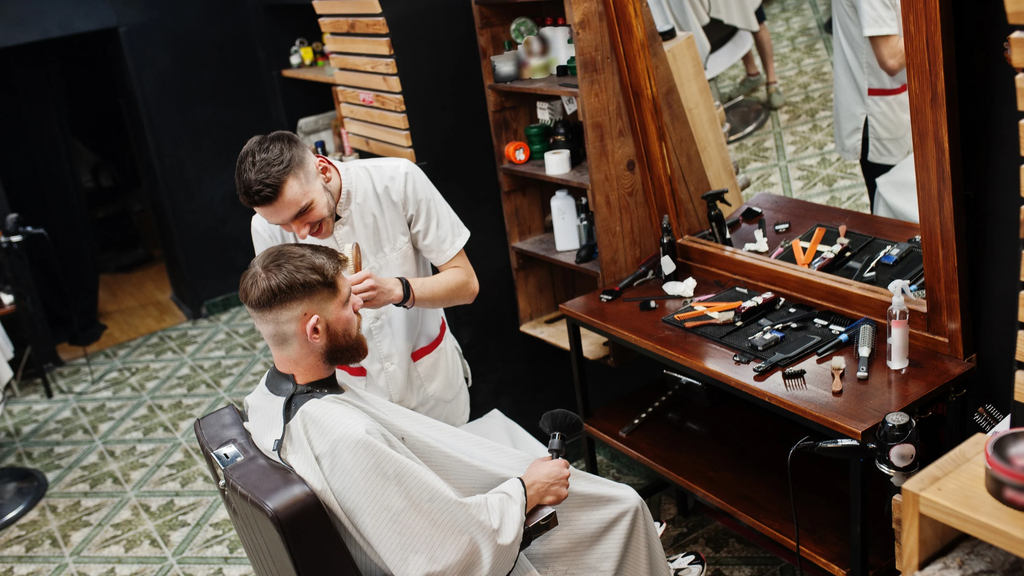
A haircut is part geometry, part artistry. The best barbers treat every head like a unique puzzle, not a template to be repeated identically on every client who sits down.
Face Shape and Why It Drives Every Cut Decision
Round, square, oval, diamond, and oblong face shapes all respond differently to volume, length, and taper placement. A high fade might sharpen the look of a round face, while the same cut could make an already angular jawline feel too severe. This is basic facial geometry, and a barber who skips this step is essentially guessing.
Hair Texture, Density, and Growth Patterns
Thick, coarse hair behaves nothing like fine, thin hair under the same clipper guard. Cowlicks, double crowns, and widow’s peaks all require adjustments that a template cut simply can’t account for. Reading these patterns before cutting prevents awkward growth and styling headaches weeks down the line.
Fades, Tapers, and Blends — What They Actually Mean
These three terms get thrown around loosely, but they mean distinct things. A fade gradually reduces hair length down to the skin, typically starting high, mid, or low on the head. A taper is a more subtle, gradual shortening that usually doesn’t reach the skin. A blend refers to the technique of smoothing the transition between two lengths so there’s no visible line. Knowing the difference, and communicating it clearly, prevents the classic miscommunication of asking for a taper and walking out with a skin fade.
Scissor Work and Why It’s a Dying Art Worth Preserving
Clipper-based fades have become so dominant that true scissor-over-comb work is becoming rarer, especially among newer barbers. Scissor work takes longer and demands more finesse, but it produces a softness and natural texture that clippers alone struggle to match, particularly on top sections and longer styles.
Once the shape is right, the next job is making sure every edge and line matches that same level of care.
Precision Is Not Just a Word — It’s a Standard
Precision is where good barbers separate themselves from great ones. It’s not about speed, it’s about discipline in the details most clients notice without even realizing why.
Lining Up, Edging, and the Details That Define a Cut
Crisp, straight hairlines and clean edges around the ears frame the entire haircut. A slightly crooked line or uneven edge draws the eye immediately, even if the rest of the cut is flawless. These finishing touches take seconds to execute but separate a sloppy cut from a sharp one.
The Hot Towel Shave and What Makes It Different
A proper hot towel shave softens the beard, opens the pores, and allows the razor to glide without tugging or irritating the skin. The ritual itself, layering warm towels, applying pre-shave oil, and finishing with a cool towel and aftershave, transforms a basic shave into something closer to a spa treatment for men.
Necklines, Sideburns, and the Finishing Touches That Matter
A clean neckline and symmetrical sideburns are often the first things people notice when a haircut starts growing out. Barbers who rush this final step undercut all the careful work that came before it. These small finishing details are often what separates a $25 cut from a $50 one.
Precision earns your trust, but comfort is what keeps you coming back.
Comfort Is Not a Luxury — It’s Part of the Service
A technically flawless haircut delivered in an uncomfortable, rushed environment will still leave a bad taste. Comfort is baked into the service itself, not an optional extra.
The Chair, the Cape, and the Physical Comfort of the Experience
A well-maintained barber chair with proper headrest support, a cape that doesn’t choke or itch, and a station kept at a comfortable temperature all contribute to how relaxed you feel during the visit. These physical comforts matter more than most shops realize, especially during longer services like a full shave or beard sculpt.
Trust, Relaxation, and Why Some Men Fall Asleep in the Chair
There’s a reason some clients drift off mid-haircut. It’s a sign of total trust, the kind that only builds after repeated visits with a barber who has proven they know what they’re doing. That relaxed state is the goal of every great barber, because tense clients tend to move, fidget, or second-guess instructions mid-cut.
Adapting to Clients with Sensory Sensitivities or Disabilities
A truly great shop adapts its approach for clients with autism, anxiety, or physical disabilities, offering quieter time slots, clear verbal cues before using clippers near the ears, or extra time for clients who need it. This kind of flexibility reflects a shop’s genuine commitment to serving every type of client well, not just the easiest ones.
Comfort builds trust, but that trust is earned or lost before the first clip, during the consultation.
The Consultation — the Most Underrated Part of the Visit
If the haircut goes wrong, it usually went wrong before the clippers ever turned on. The consultation is the single most important five minutes of the entire visit.
Why Most Bad Haircuts Start Before the Scissors Come Out
Miscommunication, not poor technique, is the root cause of most disappointing haircuts. A barber who skips questions and starts cutting based on assumptions is gambling with your appearance for the next three to four weeks.
How to Communicate What You Want (and What You Don’t)
Specificity matters. Instead of saying “short on the sides,” try “a number two on the sides, blending into a number four on top.” Mentioning what you don’t want, like avoiding a hard part or keeping length around the ears, is just as valuable as describing what you do want.
Reference Photos, Vocabulary, and Setting Realistic Expectations
Bringing a reference photo removes ambiguity, but it only works if your barber also explains whether your hair type and density can realistically achieve that same look. A good barber will tell you honestly if a style won’t translate well to your hair, rather than attempting it and hoping for the best.
Once the cut itself is locked in, there’s a whole world of grooming that extends beyond just the hair on your head.
The Grooming Routine Beyond the Haircut
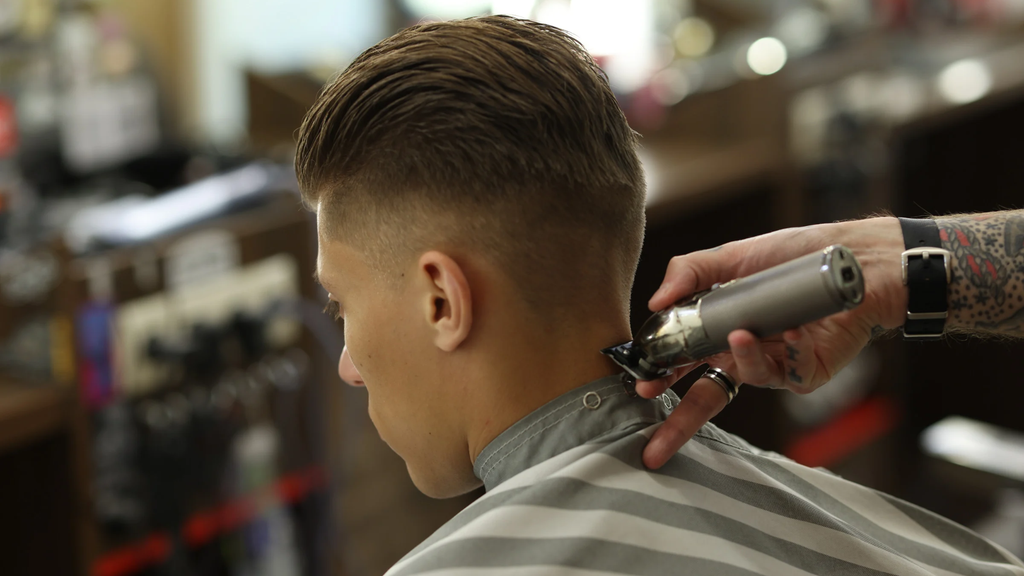
A haircut is only one piece of a full Grooming Routine, and the best barbershops understand their role extends well past the clippers.
Scalp Health and Why It Affects the Quality of Your Hair
A dry, flaky, or irritated scalp undermines even the best haircut. Barbers who recommend proper shampoo frequency, scalp massages, or specific products for dandruff and buildup are thinking beyond the thirty-minute appointment and toward your long-term hair health.
The beard trim as Part of the Full-Service Visit
A proper beard trim shapes the jawline, cleans up the neckline, and keeps facial hair looking intentional rather than unkempt. Many clients treat the beard as an afterthought, but a skilled barber treats it as an extension of the overall haircut, shaping both in harmony rather than as two disconnected services.
Skincare, Aftershave, and What Happens After the Cape Comes Off
The moment the cape comes off shouldn’t be the end of the service. A dab of aftershave balm, a quick check for stray hairs, and a final once-over in the mirror all signal that the barber cares about the final impression you’ll walk out with, not just the technical cut itself.
This full-service mentality is part of a much bigger tradition, one rooted deeply in community and culture.
Barbershop Culture — More Than Just a Haircut
Barbershops have always been about more than hair. They’ve served as informal community centers, especially within Black communities in America, for well over a century.
The History of the Barbershop as a Community Space
Historically, barbershops were among the few Black-owned businesses that thrived during segregation, becoming trusted spaces for conversation, organizing, and mentorship that extended far beyond grooming services. That legacy still shapes the culture of barbershops across the country today.
The Conversation, the Camaraderie, and the Sense of Belonging
Sports debates, career advice, fatherhood stories, and plain old venting all happen in that chair. A great barbershop fosters this camaraderie naturally, creating a space where men feel comfortable being open in ways they might not be elsewhere.
Modern Barbershops and How They Honor That Legacy
Today’s shops blend that historical foundation with modern touches, think craft coffee, vinyl record players, or partnerships with local artists, while still preserving the core sense of community that made barbershops special in the first place.
That culture and craftsmanship come at a price, and understanding what you’re actually paying for matters.
Pricing, Value, and What You’re Actually Paying For
Price alone tells you almost nothing about quality. Understanding what drives the cost helps you make smarter decisions about where to spend your money.
Why the Cheapest Cut Often Costs You More in the Long Run
A rock-bottom price often means rushed service, lower-grade tools, or a barber still building their skills. You might save fifteen dollars today, but if you need a touch-up cut a week later or end up unhappy with the result, that “savings” disappears fast.
Pricing Factors — Location, Skill Level, and Service Type
| Factor | Impact on Price |
| Location | Urban shops typically charge more due to rent |
| Barber’s Experience | Master barbers often command premium rates |
| Service Type | Full-service (cut, shave, beard) costs more than a basic trim |
| Shop Amenities | Added perks like drinks or hot towels increase pricing |
Tipping Culture and How to Show Your Appreciation
A standard tip in most barbershops runs between 15 and 20 percent, similar to restaurant service norms, though many loyal clients tip higher for exceptional, consistent service over the years. Tipping well, especially for a barber who’s built a long-term relationship with you, is a small gesture that reinforces that relationship.
Once you understand pricing and value, the next step is actually finding the shop and barber worth your investment.
How to Find the Right Barbershop for You
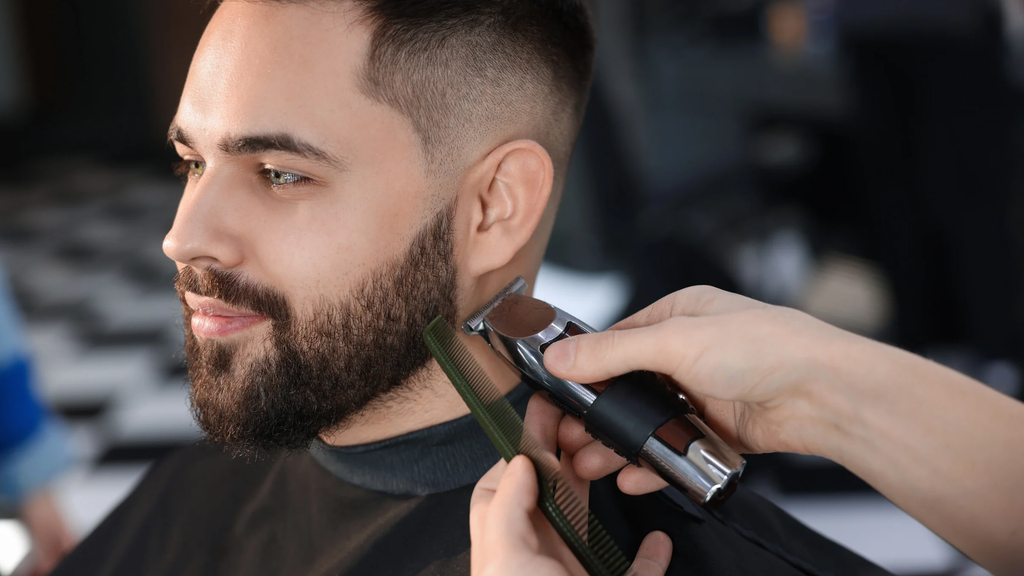
Finding the right shop isn’t about walking into the fanciest-looking storefront. It’s about finding alignment between your needs and what a particular shop does well.
What to Look for Before You Book
Check reviews, but pay closer attention to photos of actual haircuts rather than just star ratings. A clean, organized shop and barbers who seem engaged with their clients are both good early signs.
Red Flags That Tell You to Walk Away
Rushed consultations, a barber glued to their phone between clients, or visibly dull and poorly maintained tools are all warning signs worth taking seriously. If a shop feels chaotic or disorganized on your first visit, trust that instinct.
Building a Long-Term Relationship with Your Barber
The best results come from consistency over time. A barber who’s cut your hair for two years understands your growth patterns, your preferences, and your face far better than someone meeting you for the first time. That relationship, much like a good coach-player dynamic, only improves with repetition.
Finding the right shop solves half the equation. The other half depends on you showing up prepared and engaged.
Common Mistakes Clients Make (and How to Avoid Them)
Even the best barber can’t fully overcome a client who isn’t holding up their end of the partnership.
Coming In Without a Clear Idea
Walking in and saying “just do whatever looks good” puts all the creative pressure on the barber and sets you both up for potential disappointment. Even a loose direction, like “keep it professional but not boring,” gives your barber something concrete to work with.
Waiting Too Long Between Visits
Letting a haircut grow out for eight or nine weeks before returning means your barber is essentially starting from scratch each time, rather than maintaining and refining a shape they’ve already established. Regular visits, typically every three to four weeks, keep the cut looking sharp and make each appointment faster and more precise.
Not Speaking Up During the Cut
If something feels off mid-cut, say something immediately. Waiting until the very end, after the shape is already locked in, makes adjustments far harder than catching an issue early.
Avoiding these mistakes helps, but it’s also worth understanding where the entire industry is heading.
Expert Insights and Industry Trends Shaping the Modern Barbershop
The barbershop industry isn’t standing still. A handful of clear trends are reshaping what clients expect from their visit.
The Rise of the Premium Grooming Experience
Men are increasingly willing to pay more for an elevated experience, think craft cocktails, private suites, or extended beard and skincare services, treating their grooming routine more like a lifestyle investment than a simple errand.
Inclusivity, Diversity, and Welcoming All Hair Types
Shops that train their barbers across a full range of hair textures, from straight to tightly coiled, are better positioned to serve a diverse clientele confidently, rather than turning away clients whose hair type falls outside their comfort zone.
Technology in the Barbershop — Booking, Reviews, and Beyond
Online booking platforms, automated reminders, and review-driven discovery have transformed how clients find and choose their barber, making reputation and consistency more visible and valuable than ever before.
With the bigger picture in mind, let’s bring it back to something practical: how you personally can get more out of every single visit.
FAQs About What Makes a Great Barbershop Experience
How often should I visit the barbershop?
Most barbers recommend returning every three to four weeks to maintain a clean shape, especially for fades and short styles that grow out noticeably faster than longer cuts.
How do I describe the haircut I want?
Use specific clipper guard numbers, mention fade height, and bring a reference photo when possible. The more concrete your description, the less room there is for miscommunication.
What is the difference between a barbershop and a hair salon?
A barbershop traditionally specializes in men’s cuts, fades, beard work, and straight-razor shaves, while salons typically offer a broader range of services across all hair types and lengths, including color and chemical treatments.
What should I expect from a full-service barbershop visit?
A full-service visit typically includes a consultation, haircut, beard trim, neckline cleanup, and sometimes a hot towel shave or skincare finish, delivered in that order to ensure every detail is addressed.
How do I know if a barber is truly skilled?
Look for consistency across multiple visits, clean lines and edges, a thorough consultation process, and genuine listening rather than assumptions about what you want.
Is a hot towel shave worth it?
For most men, yes. It softens the skin, reduces razor irritation, and delivers a noticeably closer, more comfortable shave than a standard dry or lightly lathered shave at home.
What makes a barbershop stand out from the competition?
A combination of technical skill, genuine listening during consultations, attention to finishing details, and an inviting atmosphere all come together to separate forgettable shops from ones clients return to for years.
Conclusion — How to Get the Most Out of Every Visit
Knowing what makes a great experience is one thing. Actually putting it into practice is where the real payoff happens.
Before You Go — Preparation That Pays Off
Come in with clean, dry or slightly damp hair (never soaking wet), bring a reference photo if you have one, and think through specific details like fade height and length on top before you sit down.
During the Cut — How to Be the Ideal Client
Stay relatively still, speak up early if something feels off, and don’t be afraid to ask questions about products or techniques your barber is using. Engagement, not silence, leads to the best collaborative results.
After the Visit — Maintaining the Look at Home
Ask your barber directly what products they recommend for your specific hair type and style, and book your next appointment before you leave to lock in that three to four week rhythm that keeps your cut looking consistently sharp.
With all of this in mind, a few common questions still come up again and again from clients trying to get the most out of their barbershop visits.