
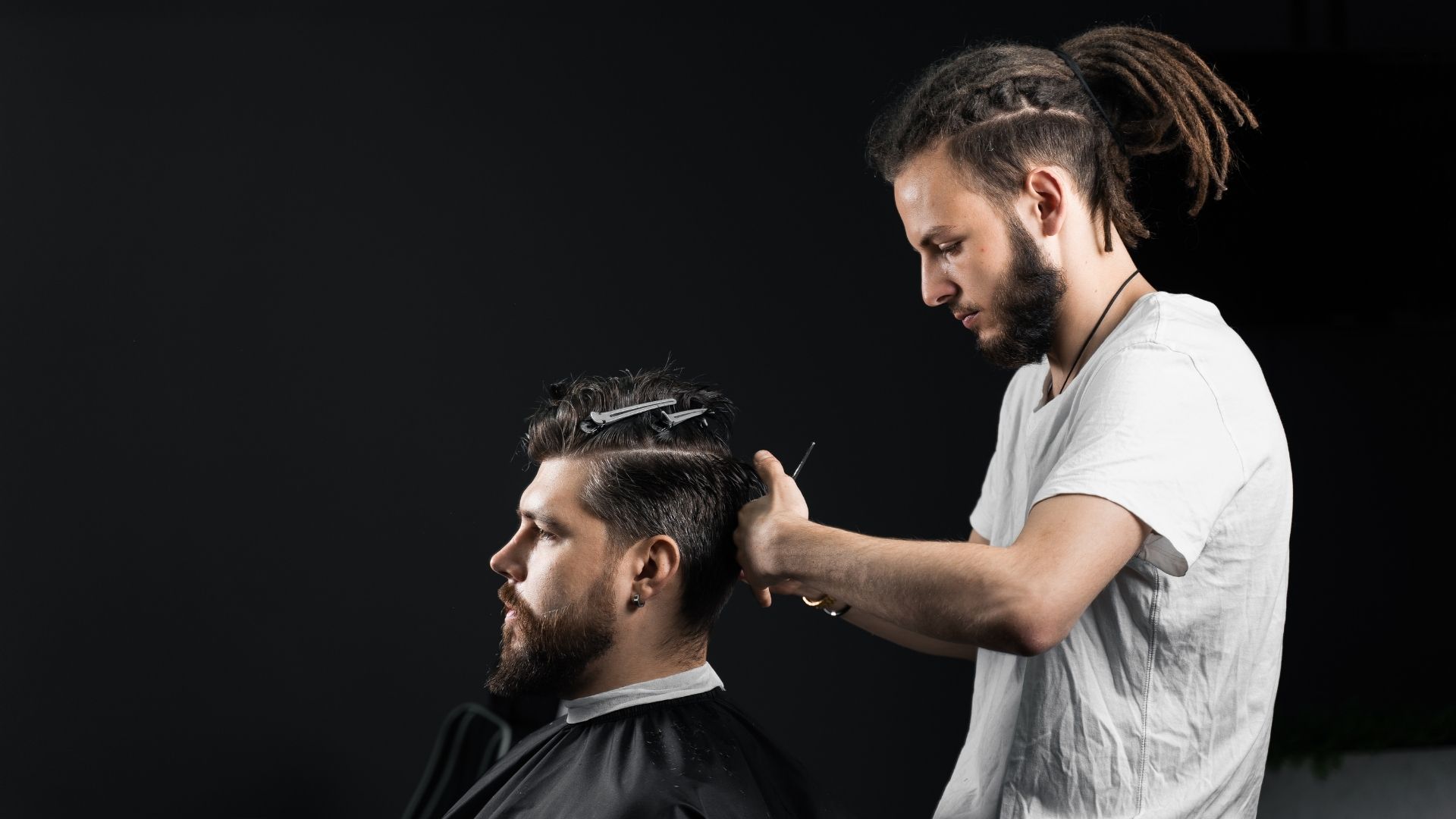
A lineup looks sharp instead of artificial when the edge follows your natural hairline, the skin stays calm and bump-free, and the transition between hair and skin isn’t cut so severe it looks drawn on with a marker. The best lineups combine precise clipper work, the right blade tension, and restraint. A barber who knows when to stop cutting is just as important as one who knows where to start.
Walk into any good shop on a Saturday morning and you’ll hear it before you see it: the low buzz of clippers, a radio playing something with bass, maybe a kid in the chair next to you getting his first real haircut while his dad watches from the waiting bench. That buzz is doing more than trimming hair. In the right hands, it’s drawing a line that makes your whole face look sharper, your jaw look stronger, and your confidence sit a little higher when you walk out the door.
But there’s a version of the lineup that goes wrong. You’ve seen it. The edge is so stark it looks like it was traced with a ruler. The hairline curves in a shape your head was never built to make. It reads less like grooming and more like a costume. That’s the artificial lineup, and it’s the thing every good barber is trained to avoid.
This guide breaks down exactly what separates a lineup that looks sharp from one that looks fake, from the history behind the technique to the tools, the skin science, and the small habits that keep your edge looking clean for days instead of hours. Whether you’re bringing your son in for his first haircut, buying a gift card for your brother-in-law, or just trying to figure out why your last cut didn’t sit right, you’ll find the answer here.
What Exactly Is a “Lineup” in Barbering Terms?
A lineup, sometimes called an edge-up, is the process of clipping or shaving the hair along the hairline, temples, and neckline to create a crisp, defined border. It’s the finishing move of a haircut, the equivalent of a tailor pressing the seams after the suit is sewn. Without it, even a great haircut looks unfinished.
How a Lineup Differs From a Regular Haircut Trim
A standard trim shortens hair length evenly across the scalp. A lineup is more surgical. The barber works along specific borders, the forehead, temples, and nape, using a trimmer or straight razor to carve a precise edge rather than simply cutting hair shorter. Think of it as the difference between mowing a lawn and edging the sidewalk after.
The Three Zones of a Standard Lineup
Every lineup touches three areas: the front hairline across the forehead, the temple points on either side, and the neckline at the back. Each zone has its own natural shape, and a good barber studies all three before touching a trimmer to skin.
Why Lineups Became a Grooming Standard
Lineups rose to prominence through barbershop culture in Black communities in the United States during the 1960s and 1970s, where precision edge work became both a technical skill and a form of personal expression. Over the following decades, the style crossed into mainstream barbering worldwide and is now a standard offering at almost every barbershop.
The Fine Line Between Sharp and Artificial
There’s a real difference between crisp and fake, and it usually comes down to how much the barber respects your natural growth pattern versus how much they try to impose a shape that isn’t there.
Following Your Natural Hairline vs. Forcing a New One
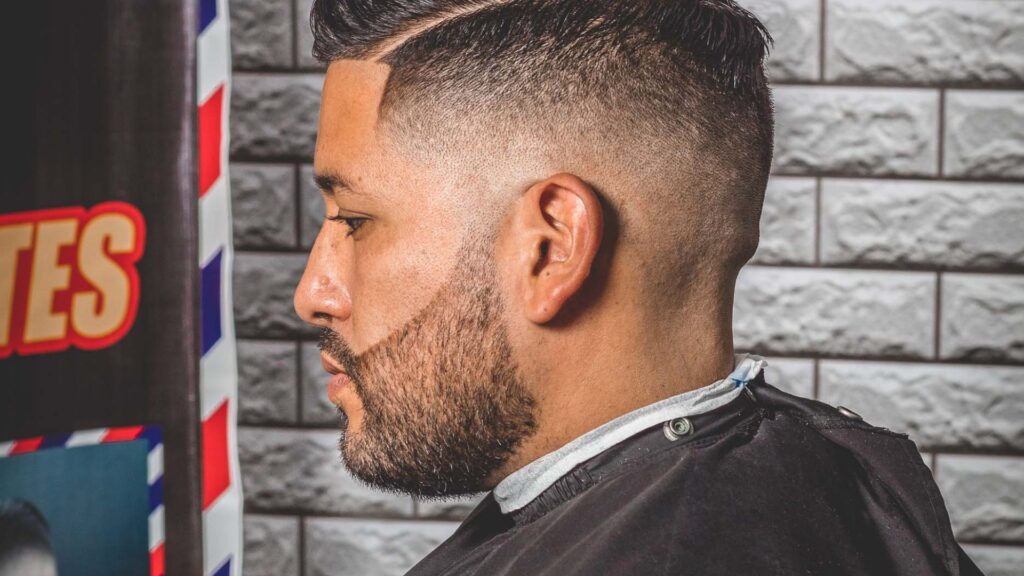
Every head of hair grows in a slightly different pattern. A sharp lineup traces that existing shape and simply cleans it up. An artificial one ignores your natural hairline and cuts a new, often overly geometric shape instead, which can look unnatural within days as the hair grows back into its real pattern.
The Role of Blade Angle in Natural-Looking Edges
Holding the trimmer flat against the skin and cutting straight across creates a severe, blocky line. Tilting the blade slightly and following the curve of the head produces a softer, more natural transition. That small angle adjustment is often the single biggest factor separating amateur work from professional work.
Skin Tone and Contrast Effects
On some skin tones, any clipper line will show up with more contrast, which means lineups need to be even more precisely blended at the edges to avoid looking harsh. A skilled barber adjusts technique based on how visible the line will be against your skin, not just your hair color.
Table 1: Sharp vs. Artificial Lineup Comparison
| Feature | Sharp Lineup | Artificial Lineup |
| Shape | Follows natural hairline | Forces a new, overly geometric shape |
| Blade angle | Slightly tilted, follows head curve | Flat, straight-across cuts |
| Edge transition | Soft blend at the border | Hard, stark contrast |
| Longevity | Looks good for 7 to 10 days | Looks “grown out” or wrong within 2 to 3 days |
| Skin reaction | Minimal irritation | Often red, bumpy, or razor-burned |
The History of the Lineup: From Straight Razors to Laser-Sharp Edges
Grooming edges isn’t new. Men have been shaping hairlines with blades for centuries, but the modern lineup as we know it has a specific lineage worth understanding.
Straight Razor Origins in Early Barbershops
Before electric trimmers existed, barbers used straight razors to shape hairlines and necklines by hand. This required steady hands and years of apprenticeship, since a single slip could cut skin instead of hair. The straight razor tradition still exists today in shops that specialize in classic, old-school service.
The Rise of Electric Clippers and Precision Trimmers
The invention of electric clippers in the early 20th century, and later the development of compact precision trimmers in the latter half of the century, made sharp edge work faster and more consistent. Barbers could now achieve straight razor-level precision without the same risk, which helped lineups become a mainstream barbershop offering rather than a specialty service.
How Hip-Hop and Streetwear Culture Popularized Sharp Edges
Through the 1980s and 1990s, the sharp lineup became closely tied to hip-hop culture and streetwear, with artists and athletes popularizing crisp, high-contrast edges as a visible marker of style and self-presentation. This cultural momentum carried the lineup from a regional barbershop technique into a global grooming standard.
Table 2: Timeline of Lineup Evolution
| Era | Development |
| Pre-1900s | Straight razor shaping in traditional barbershops |
| Early 1900s | Electric clippers introduced |
| 1960s-1970s | Lineup culture develops in Black barbershops in the U.S. |
| 1980s-1990s | Hip-hop and streetwear culture popularize sharp edges globally |
| 2000s-present | Precision trimmers, laser-guided tools, and barbershop apps standardize the technique worldwide |
Anatomy of a Perfect Lineup: Forehead, Temple, and Neckline
Each zone of a lineup requires a different approach, and understanding the anatomy helps explain why some cuts look balanced while others look lopsided or stiff.
The Forehead Line: Curve, Not a Straight Edge
Most natural hairlines have a slight curve or widow’s peak rather than a perfectly flat edge. A barber who studies your forehead shape before cutting will follow that curve, producing a line that looks like it grew that way rather than one that was imposed on you.
Temple Points: Framing the Face Correctly
The temple area frames your face more than any other part of the lineup. Cut too high, and your face looks longer and narrower. Cut too low, and it can look heavy. The right temple height depends on your face shape and hairstyle, which is why a good barber asks questions before reaching for the trimmer.
The Neckline: Rounded, Squared, or Tapered
The back of the neck is where amateur cuts fall apart fastest. A rounded neckline follows the natural curve of your head and looks cleaner as it grows out. A squared neckline looks sharper immediately but grows out faster and needs more frequent touch-ups.
Table 3: Neckline Style Comparison
| Neckline Style | Look | Grow-Out Speed | Best For |
| Rounded | Soft, natural | Slower | Everyday wear, low maintenance |
| Squared | Crisp, defined | Faster | Fresh-cut events, photos |
| Tapered | Blended, subtle | Slowest | Business settings, longer hair on top |
Tools of the Trade: Clippers, Trimmers, and Razors Compared
The tool in a barber’s hand matters just as much as the hand itself. Different instruments produce different textures of line, and knowing the difference helps you have a better conversation in the chair.
Clippers vs. Trimmers: What’s the Real Difference?
Clippers are built for bulk cutting across large areas of the scalp, while trimmers are smaller, lighter, and designed for detail work along edges. Using a full-size clipper for lineup work is like trying to write your signature with a paint roller. It can be done, but a trimmer gives far more control.
Straight Razor vs. Trimmer for Edge Work
A straight razor shaves the hair down to skin level, producing the sharpest possible line, but it also carries more risk of nicks and requires more skill. A trimmer leaves a tiny bit of stubble at the root, which some men prefer because it looks slightly softer and grows out more gracefully.
The Role of Blade Guards and Zero-Gapped Setups
Many barbers “zero gap” their trimmers, meaning they remove the plastic guard and adjust the blades to sit as close together as possible. This setup allows for extremely tight, precise lines but requires a very steady hand, since there’s almost no room for error.
Table 4: Tool Comparison for Lineup Work
| Tool | Precision Level | Risk of Nicks | Typical Use |
| Full-size clipper | Low | Low | Bulk hair cutting |
| Detail trimmer | High | Medium | Standard lineup work |
| Zero-gapped trimmer | Very high | Medium-high | Extra sharp edges |
| Straight razor | Highest | High | Classic, closest-possible shave line |
Clippers vs. Razor: Choose a trimmer-based lineup if you want a softer edge that grows out gradually over a week. Choose a straight razor lineup if you want the sharpest possible line for a single event, like a wedding or interview, and don’t mind a slightly faster fade-out of the effect.
How Hair Type Affects Lineup Technique and Longevity
Not all hair behaves the same way under a trimmer, and the texture of your hair changes both how a lineup is cut and how long it holds its shape.
Straight Hair and Clean Edge Retention
Straight hair tends to hold a lineup’s shape with minimal flaring, since the strands don’t curl back toward the skin as quickly. This generally means a longer window between touch-ups.
Coily and Curly Hair: Managing Shrinkage and Edge Visibility
Coily and curly hair types often shrink as they dry, which can make a freshly cut line look different once the hair settles. Barbers working with curlier Hair Type often cut the line slightly wider than it appears while wet, anticipating the shrinkage that will occur.
Wavy Hair’s Unique Blending Challenges
Wavy hair sits between the two extremes and often requires extra blending at the point where the lineup meets the longer hair on top, since waves can create uneven texture right at the border.
Table 5: Hair Texture and Lineup Maintenance Needs
| Texture | Edge Retention | Touch-Up Frequency | Special Consideration |
| Straight | High | Every 10-14 days | Minimal shrinkage |
| Wavy | Medium | Every 7-10 days | Needs blending at the crown |
| Curly | Medium-low | Every 7-10 days | Cut slightly wider while wet |
| Coily | Low-medium | Every 5-7 days | Anticipate shrinkage after drying |
Skin Type and Sensitivity: Avoiding Razor Bumps and Irritation
A sharp lineup means nothing if it’s surrounded by red bumps or irritation a day later. Skin matters just as much as hair.
Identifying Razor Bump-Prone Skin
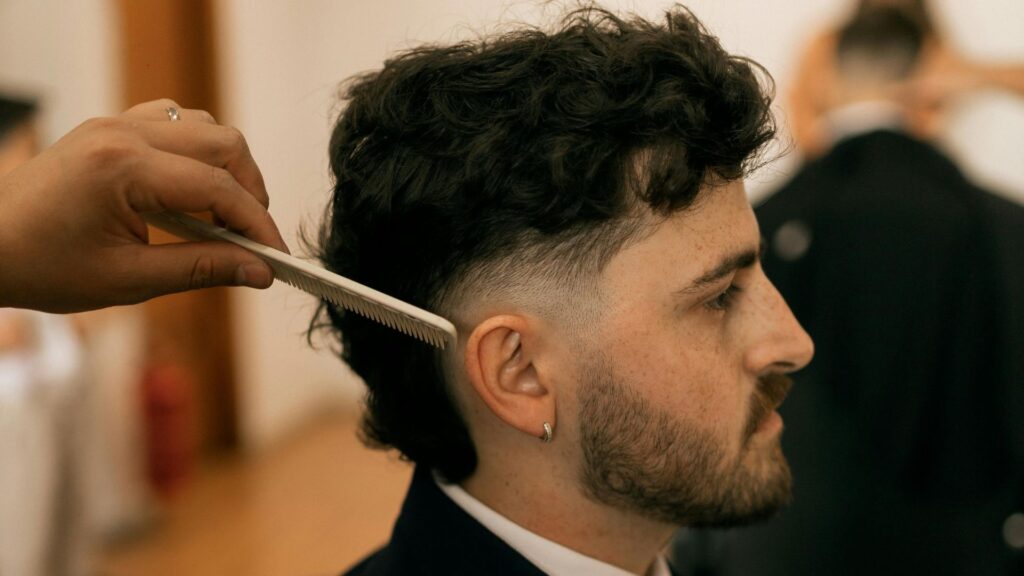
Men with naturally curly facial and head hair are statistically more prone to razor bumps, a condition known as pseudofolliculitis barbae, because the cut hair curls back into the skin as it regrows. Barbers who recognize this tendency often recommend trimmer lines over razor lines to reduce irritation.
Pre-Cut Prep That Reduces Irritation
Warm towels, light exfoliation, and properly cleaned skin before a lineup all reduce friction and the likelihood of post-cut bumps. This is part of why the hot towel ritual exists in traditional shops; it isn’t just for relaxation, it genuinely softens the skin and hair.
Post-Cut Aftercare to Prevent Breakouts
Alcohol-based aftershaves can feel satisfying but often dry and irritate sensitive skin, while alcohol-free, soothing balms with ingredients like aloe or witch hazel calm the skin without stripping its natural moisture.
Table 6: Aftershave Ingredient Comparison
| Ingredient Type | Effect on Skin | Best For |
| Alcohol-based | Fast-drying, can sting and dry out skin | Oily skin, short-term use |
| Aloe-based | Soothing, hydrating | Sensitive or bump-prone skin |
| Witch hazel | Mild astringent, calming | Normal to combination skin |
| Tea tree oil blends | Antibacterial, reduces breakouts | Acne-prone skin |
Alcohol-based vs. Alcohol-free Aftershave: Choose alcohol-based products if you have oilier skin and want a quick-drying finish. Choose alcohol-free, soothing formulas if your skin is sensitive or prone to razor bumps, since they calm the skin instead of aggravating it.
Barber Techniques That Create a Natural-Looking Edge
Technique is where craftsmanship shows. The tools matter, but the hand behind them matters more.
Point Cutting Along the Hairline
Rather than cutting one continuous straight line, many skilled barbers use small, angled strokes along the hairline, following the natural flow of hair growth instead of fighting it. This technique softens the overall appearance while keeping the edge crisp.
Blending the Lineup Into the Rest of the Cut
A lineup that stops abruptly at the edge, with no blending into the sides or top, often looks disconnected, like two different haircuts stitched together. Proper fading or tapering into the lineup creates a smoother, more cohesive finish.
Using a Straight Edge Only as a Guide, Not a Rule
Many barbers use a flexible edge guide to map out the initial line, then free-hand the actual cut to follow the natural curve of the head. Relying too heavily on a rigid guide is one of the most common reasons lineups end up looking stiff and artificial.
Common Mistakes That Make a Lineup Look Fake
Knowing what goes wrong helps you spot it before you leave the chair, and helps you communicate better with your barber.
Cutting Too Far Beyond the Natural Hairline
When a barber cuts higher or wider than your actual hairline to create a more dramatic shape, the result might look sharp on day one, but it grows out unevenly and looks increasingly wrong as your real hairline reappears underneath.
Over-Defining the Temple Points
Exaggerated, sharply angled temple points can look striking in photos but often read as costume-like in person, especially on men with rounder or softer face shapes.
Skipping the Blend Between Lineup and Fade
A hard stop between a crisp lineup and an unblended fade creates a visible seam. This mistake is common in rushed cuts or with barbers who haven’t been trained in proper transition work.
Table 7: Common Lineup Mistakes and Fixes
| Mistake | Why It Looks Fake | Fix |
| Cutting beyond natural hairline | Grows out unevenly | Map the real hairline first |
| Over-angled temple points | Looks exaggerated, costume-like | Soften angle to match face shape |
| No blend into fade | Creates a visible seam | Fade or taper the transition zone |
| Flat blade angle | Produces a stiff, blocky edge | Tilt blade to follow head curve |
DIY Touch-Ups vs. Professional Maintenance
Between visits, many men try to maintain their own lineup at home. It can work, within limits.
What a DIY Touch-Up Can Safely Handle
Light cleanup of stray hairs along an already-established line, using a trimmer you’re familiar with, is generally safe and can extend the life of a professional cut by a few days.
Where DIY Attempts Usually Go Wrong
Reshaping the entire lineup, changing the neckline style, or attempting razor work without experience are the most common ways home touch-ups turn into a trip back to the barbershop for a fix.
Signs It’s Time to Book a Professional Reset
If your edge has grown out past recognition, if you’re seeing asymmetry between the two sides, or if irritation has developed, it’s time to let a professional reset the shape rather than compounding the issue at home.
DIY vs. Professional Maintenance: Choose DIY touch-ups for light upkeep between visits when the existing shape is still visible. Choose a professional reset when the line has grown out significantly or when irritation has developed, since a trained eye can correct asymmetry that’s hard to see in your own mirror.
How Often Should You Get a Lineup Touch-Up?
Timing your visits well is part of what keeps a lineup looking sharp instead of letting it slide into “overgrown” territory.
Average Touch-Up Windows by Hair Growth Rate
Hair grows at roughly half an inch per month on average, but visible lineup grow-out happens much faster, often within one to two weeks, because even small amounts of regrowth blur a crisp edge.
How Lifestyle and Occasion Affect Frequency
Men in client-facing jobs, performers, or anyone with frequent photos or events tend to book touch-ups more often, sometimes weekly, while others are comfortable stretching to every two to three weeks.
Building a Maintenance Schedule With Your Barber
Many regular clients set up a standing appointment, which not only keeps the lineup consistently sharp but also means your barber already knows your Hair Type, growth pattern, and preferred shape before you even sit down.
Table 8: Recommended Touch-Up Frequency
| Lifestyle | Recommended Frequency |
| Client-facing professional | Every 7 days |
| Regular office job | Every 10-14 days |
| Casual, low-maintenance | Every 2-3 weeks |
| Special event prep | 1-2 days before the event |
Product Routine: What to Use Between Visits
A good product routine extends the life of your lineup and keeps your skin healthy in the gap between appointments.
Edge Control Products and When to Use Them
Lightweight edge waxes or gels can tame flyaway hairs along the border without making the hairline look painted on, as long as they’re applied sparingly.
Moisturizers and Scalp Health
Keeping the scalp and skin around the hairline moisturized prevents flaking and dryness, which can otherwise make an already-defined edge look rough or unkempt.
Avoiding Over-Styling That Hides a Good Lineup
Heavy product buildup along the hairline can actually obscure a well-cut edge, making it look muddier rather than crisper. A light touch usually serves the line better than a heavy one.
Table 9: At-Home Product Types for Lineup Maintenance
| Product Type | Purpose | Usage Frequency |
| Edge control wax | Tames flyaways | As needed, sparingly |
| Scalp moisturizer | Prevents dryness and flaking | Daily |
| Light pomade | Styles without weighing hair down | Daily |
| Soothing balm | Calms skin post-trim | After each touch-up |
Lineups for Different Hairstyles and Face Shapes
A lineup isn’t a one-size-fits-all shape. The right edge depends heavily on what’s happening with the rest of your hair and the structure of your face.

Matching Lineup Shape to Round, Square, and Oval Faces
Rounder faces often benefit from slightly angled temple points to add visual length, while square faces can soften their angles with a more rounded hairline. Oval face shapes have the most flexibility and can generally wear a wider range of lineup styles.
Lineups Paired With Fades and Tapers
A tight, high-contrast lineup pairs naturally with skin fades, since both styles emphasize sharp definition. Lower, softer tapers often look better with a slightly less severe lineup to keep the overall look balanced.
Lineups With Longer Hair on Top
When there’s more length on top, the lineup becomes the main structural anchor of the whole cut, which means precision at the hairline matters even more since there’s less fading to distract from an uneven edge.
Fade vs. Taper with a Lineup: Choose a skin fade pairing if you want maximum contrast and a bold, sharp overall look. Choose a taper pairing if you prefer a subtler transition that’s easier to maintain as it grows out between visits.
Fathers and Sons: Teaching the Next Generation About Grooming
For a lot of men, the barbershop chair is where grooming habits get passed down, not just performed.
Choosing the Right Age for a First Lineup
Many barbers recommend waiting until a boy’s hairline has settled into a more defined pattern, often around age seven or eight, before introducing a full lineup, since younger hairlines are still forming and change frequently.
Making the Experience Comfortable for Young Clients
A good barber shop sets a different pace for kids, using clear communication, breaks if needed, and a lighter touch, so the first experience builds comfort rather than fear of clippers near the skin.
Using the Barbershop Visit as a Bonding Ritual
Regular father-son trips to the barbershop often become a recurring tradition, one that teaches boys about self-care and grooming while giving fathers a built-in reason to spend time together.
Choosing the Right Barbershop for a Natural-Looking Lineup
Not every shop is built the same, and finding the right one makes a measurable difference in how your lineup turns out.
Questions to Ask Before Booking Your First Appointment
Asking whether a barber specializes in lineup work, how they handle different Hair Types, and whether they offer a consultation before cutting can tell you a lot before you ever sit in the chair.
Reading Reviews and Portfolio Photos Critically
Look specifically at close-up photos of hairlines and necklines rather than full-head shots, since those details reveal more about a barber’s precision than a flattering overall photo does.
Searching “Haircut Near Me” the Smart Way
When searching haircut near me, filter results by barbers who specifically list lineup or edge-up services, and check recent reviews mentioning sharpness and longevity rather than just overall friendliness.
The Cost of a Lineup: What You’re Really Paying For
Price varies a lot between shops, and understanding what drives that variation helps you make a more informed choice.
Standalone Lineups vs. Lineups Included With a Haircut
Many shops offer a lineup as a standalone, quicker service for a lower price, while a full haircut typically includes the lineup as part of the overall service and total cost.
Factors That Influence Pricing
Barber experience level, shop location, use of straight razor versus trimmer, and whether a hot towel treatment is included all factor into the final price you’ll pay.
When Paying More Is Worth It
A more experienced barber charging a premium often results in fewer touch-ups needed and a cleaner, longer-lasting line, which can actually balance out the cost difference over several months.
Table 10: Factors Affecting Lineup Pricing
| Factor | Impact on Price |
| Barber experience level | Higher experience, higher price |
| Shop location | Urban shops often charge more |
| Tool used (razor vs. trimmer) | Razor work often costs more |
| Add-ons (hot towel, facial massage) | Increases total price |
| Standalone vs. included with haircut | Standalone is cheaper per visit |
Gifting Grooming: Lineups as Part of a Grooming Experience Gift
A sharp lineup and a full grooming session make for a genuinely useful gift, especially for the guy who never books appointments for himself.
Gift Card Packages That Include Lineup Services
Many shops offer bundled gift packages combining a haircut and lineup, which takes the guesswork out of gifting and guarantees the recipient gets the full experience rather than just a basic trim.
Choosing a Gift for Birthdays, Graduations, or Father’s Day
A grooming gift tied to a milestone, like a graduation or a new job, gives the recipient a built-in reason to treat the appointment as something special rather than routine maintenance.
What to Communicate to the Barber When Gifting an Appointment
If you’re buying for someone else, let the shop know it’s their first visit so the barber can take time for a proper consultation rather than assuming familiarity with the client’s preferences.
Frequently Asked Questions
How much does a lineup typically cost?
Standalone lineups usually run cheaper than a full haircut and vary based on barber experience, location, and whether tools like a straight razor or hot towel are included. Prices range widely by region and shop tier, so it’s worth asking directly when booking.
How long does a sharp lineup usually last?
Most lineups hold their crisp appearance for about seven to ten days before visible regrowth starts to blur the edge, though this varies depending on your Hair Type and how fast your hair grows.
Is a straight razor lineup better than a trimmer lineup?
A straight razor typically produces the sharpest possible line since it shaves hair to skin level, while a trimmer leaves a touch of stubble that some men prefer for a softer, slightly longer-lasting look. Neither is universally “better,” since the right choice depends on your skin sensitivity and desired sharpness.
Can I maintain my lineup myself between barbershop visits?
Light touch-ups on an already-established line are generally safe with a trimmer you’re familiar with, but reshaping the entire edge or using a razor without experience often leads to uneven results that require a professional fix.
What’s the best age to get a first haircut with a lineup?
Many barbers recommend waiting until around age seven or eight, once a child’s hairline pattern has settled, before introducing a full lineup, since younger hairlines are still developing and change shape frequently.
Why do some lineups cause razor bumps and others don’t?
Razor bumps often occur more frequently in men with curlier hair, since cut hairs can curl back into the skin as they regrow. Choosing trimmer work over razor work, along with proper pre- and post-cut skin care, significantly reduces this risk.
How do I know if a barbershop is good for lineup work specifically?
Look closely at portfolio photos focused on hairlines and necklines rather than full-head shots, and check recent reviews that specifically mention sharpness and how well the edge held up over time.
Does hair texture change how often I need a touch-up?
Yes. Straighter hair tends to hold a defined edge longer, often ten to fourteen days, while curlier or coilier textures may need touch-ups closer to every five to seven days due to faster-appearing regrowth near the hairline.
Conclusion; Your Edge, Done Right
A sharp lineup isn’t about the straightest possible line or the most dramatic angle. It’s about precision that respects what’s actually growing out of your head. The best barbers study your natural hairline before they touch a trimmer to it, choose their tools based on your Hair Type and skin sensitivity, and know exactly when to stop cutting.
If your last lineup looked a little too stiff, too wide, or too harsh, the fix usually isn’t a different style altogether. It’s a different approach: a barber who takes the time to map your natural shape, the right blade angle, and a little patience with the details. Book your next visit with those priorities in mind, and you’ll notice the difference the moment you step out of the chair.